


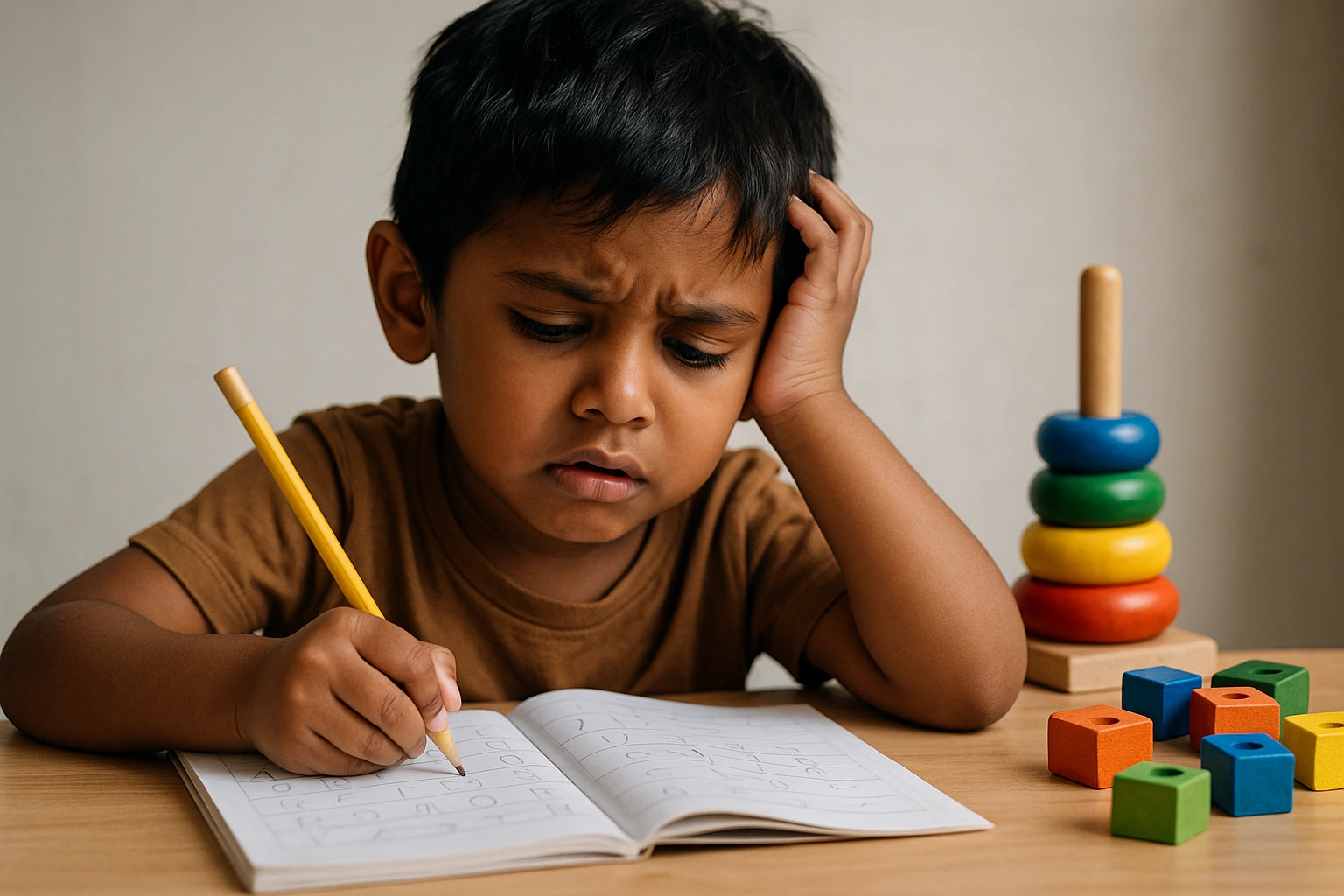
What are the Symptoms of Learning Disorder in Children?
What are the Symptoms of Learning Disorder in Children?
Every child learns and grows at their own pace, but problems can sometimes be signs of a larger issue. When a child has a learning disorder, it can manifest in the way they read, write, solve problems, or follow directions. These problems have nothing to do with how smart you are, but they can make it hard to do well in school and in everyday life. It’s important to identify the Signs of a Learning Disorder early on so that kids can get the help they need to boost their confidence and improve their skills.
Table of Content
Pre-schooler
A pre-schooler’s early years are important for building the foundation of learning, communication, and social skills. During this stage, certain signs may point toward a potential Learning Disability, making it important for parents and teachers to observe carefully. These difficulties often appear in areas like language, intellectual development, motor skills and behaviour. Recognizing Symptoms of Learning Disorder helps to initiate the diagnosis procedure at an early stage, helping prevent major issues.
To download the brochure of the LD Course, Click Here!
For more details on the LD Course, Call / WhatsApp at +919321024137 / +919869866277
Speech and Communication
- Limited vocabulary or speaking in very short phrases.
- Fluency of speech is poor
- Pronouncing words takes a lot of time
- Takes time to learn new words.
Reasoning and intellectual skills
- Letter recognition and number recognition are poor
- Following basic instructions is an issue
- Memory retention is weak due so remembering recent events is a struggle.
Movement and Coordination
- Poorly developed fine motor skills lead to poor finger grip that hampers the child’s abilities to hold scissors, writing and even activities that need eye-hand coordination, such as tying shoelaces, getting dressed is a struggle.
- Deficient coordination influences their skills that need balance and control.
Concentration and conduct
- The ability to concentrate is meagre
- Getting distracted easily
- Hesitating to do activities that need concentration.
- Cannot decipher facial expressions.
- Poor interpersonal skills
When these crucial signs are noted clearly, parents, teachers and educators are well-equipped to provide the child the desired academic assistance and develop their skills essential for their overall wellbeing.
Grades K- 4
Kids in Grades K–4 experience fast growth in reading, writing, math, and social skills. However, some may show initial signs of learning difficulties that become clearer as educational demands increase. These struggles have a major impact on the child’s academic performance, their social development, and their self-confidence.
Knowing these signs and taking appropriate action helps to create a conducive learning space that will help the child be at ease and enjoy the learning process.
Reading skills
- Struggle to read simple words and recognize sight words
- Issues to decipher what is read or make meaning of what is being read
- Letters can be reversed while reading, and constant spelling mistakes
Numeracy Skills
- Not being able to remember basic math formulas that are needed in solving problems
- Difficulty in understanding basic number concepts such as sequencing and value
- Problems with solving basic addition and subtraction sums
Fine motor skills
- Not being able to fit the letters in the defined space
- Poor handwriting as the finger grip is not developed, making pencil holding a tedious task.
- Total reluctance to do any writing activities.
Focus and conduct
- Cannot maintain their focus for a long duration while completing assignments.
- Forgets the instructions given, especially when the task involves more than 2 steps.
- Aggressive behavior and hesitation to participate in any educational tasks.
Socio-Emotional Development
- Inability to communicate and understand facial cues restrains children from forming meaningful bonds.
- Fails to understand or reciprocate other people’s feelings.
Scrutinizing Symptoms of Learning Disorder in children from Grades K-4 helps parents, educators, and teachers understand what the real areas of concern are for the child and which domains need additional guidance and assistance.
Providing precise guidance and aid helps to build a strong academic foundation for the child that can guide him and strengthen his core competencies, producing skilled and independent learners.
To download the brochure of the LD Course, Click Here!
For more details on the LD Course, Call / WhatsApp at +919321024137 / +919869866277

Source: f4training
Grades 5-8
When the child reaches class 5, it is the beginning of the secondary level of education, with major changes engulfing their academics. They are expected to possess fluent reading, writing and cognition skills by this standard, and this tends to bring learning challenges more into the spotlight. These years also highlight hormonal changes as they are on the brink of entering their teen years and struggle with academics affects their confidence and self-esteem.
Educational performance
- They find it difficult to understand topics from the textbooks, essays and word-problems.
- Grammar concepts, written work suffers a major setback.
- Abstract math concepts of fractions, decimals and money problems are difficult for them to understand.
Concentration and management, Attention and Organisation
- These years demand a lot of concentration, but students are preoccupied with thoughts or can be unfocused.
- Cannot complete tasks on time, leading to unfinished assignments.
- They often lose their personal belongings, and their surroundings are often messed up.
Social Interaction struggles
- Inability to understand facial cues and language issues restrains students from forming any friendships or bonds
- Hesitation to interact with others
- Poor self-esteem as the child faces constant struggles.
Recognizing these challenges in grades 5 to 8 can make a positive impact on the overall progress of the child and develop the skills that help them navigate through their daily challenges successfully.
Help for Learning Disability at Home
Children with Learning Disabilities have to fight some very important battles that can severely impact their confidence, and uplifting them and helping them needs a great deal of positivity, empathy and thorough understanding of the learning disorders. When trained professionals undergo precise training under a special disability program, they can create conducive environments that help children feel valued, respected, and motivated to strive harder.
With a proper understanding of effective strategies, even parents can make a huge positive impact on the overall progress of their child, helping reinforce topics covered at school.
Important Hands-on tips to help
Practical Ways to Help
- Organised sequences: Lay down a structured schedule to help the child be well informed of the activities that he will participate in it reducing any stress.
- Chunking: Simplifying complex tasks into easily manageable steps and streamlining them to help the child master basic steps.
- Incorporate different sensory teaching techniques: Let the child explore different modes of learning methods, such as visual, audio, and hands-on learning, which helps children retain concepts for a longer duration.
- Nurture reading and writing abilities: Introduce unique and interactive books for reading to motivate children to read and develop an innate love for reading and writing.
- Appreciate small progress: acknowledge the efforts of the child and praise them when they make the smallest progress, enabling them to build a positive self-image.
- Never compare and lose your calm: Never compare the child to someone else, nor criticise the child, irrespective of the level of progress.
With reliable support at home, children with learning disabilities can strengthen their skills and develop greater confidence in learning.
To download the brochure of the LD Course, Click Here!
For more details on the LD Course, Call / WhatsApp at +919321024137 / +919869866277
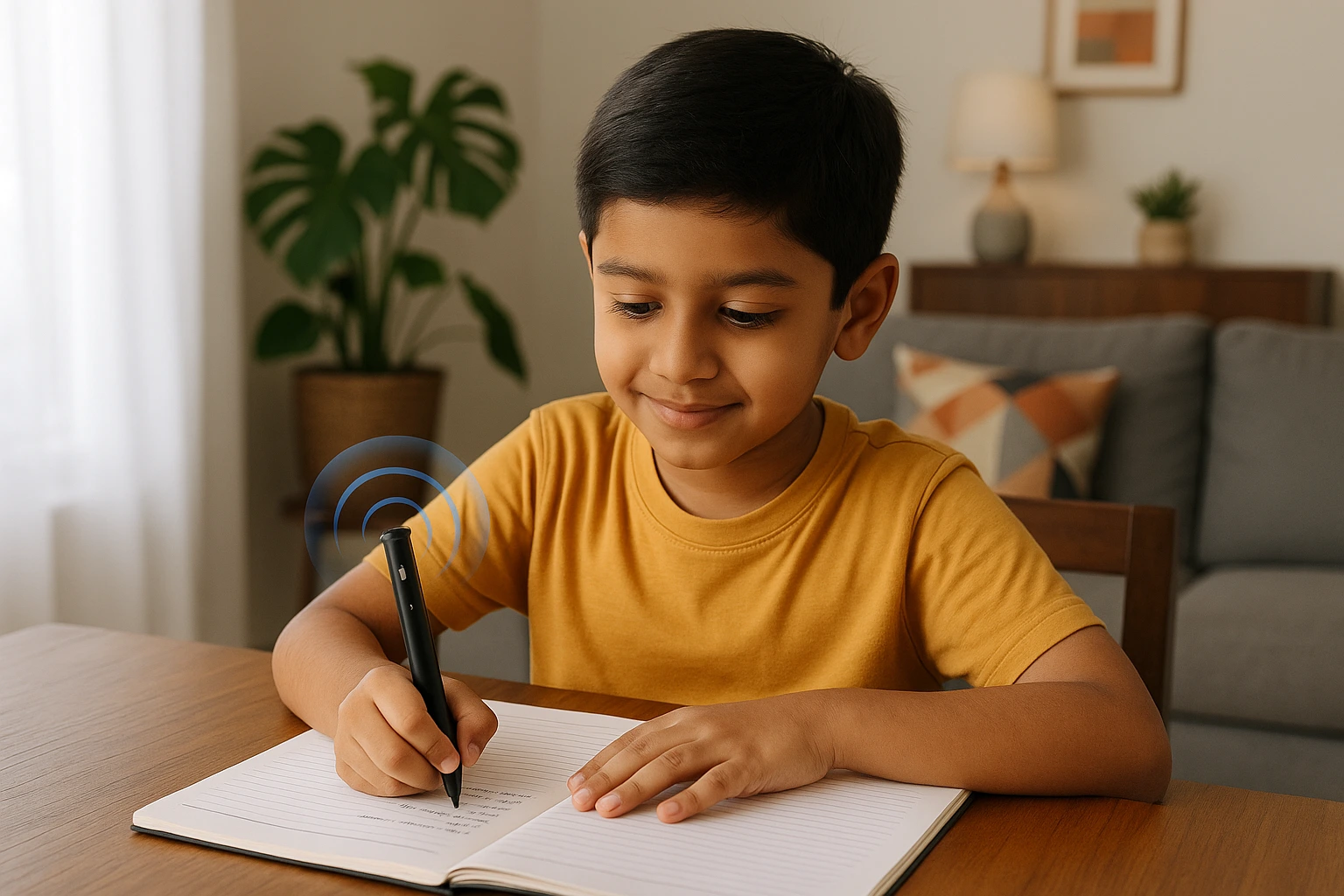
Treatment Options
Treatment options for learning disabilities focus on helping kids manage their challenges while building strengths. Early identification and personalized strategies can make a significant difference in a child’s practical and emotional growth. A balanced approach combines professional guidance, parental involvement and school-based support.
Learning is an ongoing and continuous process, and getting professionally equipped is a must for teachers to help the child attain the learning goals set for him.
Acquiring a decorous credential from a bankable training platform of Vidhyanidhi Education Society (Govt. Regd.) offers Learning Disability Course and grooms teachers with important skills and in-depth knowledge of different learning disabilities, along with their appropriate strategies, making a huge positive impact on the overall holistic progress of the child.
Frequent interventions used are:
- Tailored instruction: Teaching methods and techniques used are devised in a manner that aligns with the learning styles of the child and focus on repetition, use of multi-sensorial teaching aids for enhanced learning.
- Speech and language therapy: Supports children struggling with communication, pronunciation or comprehension.
- Occupational therapy: Improves motor skills, coordination, and daily functioning.
- Behavioural therapy: Helps children develop coping approaches for frustration, attention and social interactions.
- Technology that helps: Audiobooks, instructional applications and speech-to-text software are some examples of tools that may help make learning easier.
Support from parents: This means creating a quiet place to study, promoting practice and working closely with instructors.
By joining a Learning Disability Course, teachers can better identify early signs and provide effective support. A Learning Disability Course make sure kids get guidance personalised to their needs, helping them to achieve success in learning and life.
Empower special children with the right strategies! Join Vidhyanidhi Education Society’s LD Course today!
To download the brochure of the LD Course, Click Here!
For more details on the LD Course, Call / WhatsApp at +919321024137 / +919869866277
Symptoms of Learning Disorder
FAQs
What Causes Learning Disabilities in Toddlers?
They may be caused by genetics, problems with brain development, or early environmental conditions that impact speech, memory or learning.
What are Learning Issues in Children?
Learning issues include struggles with reading, writing, math, attention, or memory. Vidhyanidhi Education Society offers courses to support such challenges.
