


What is Special Education?
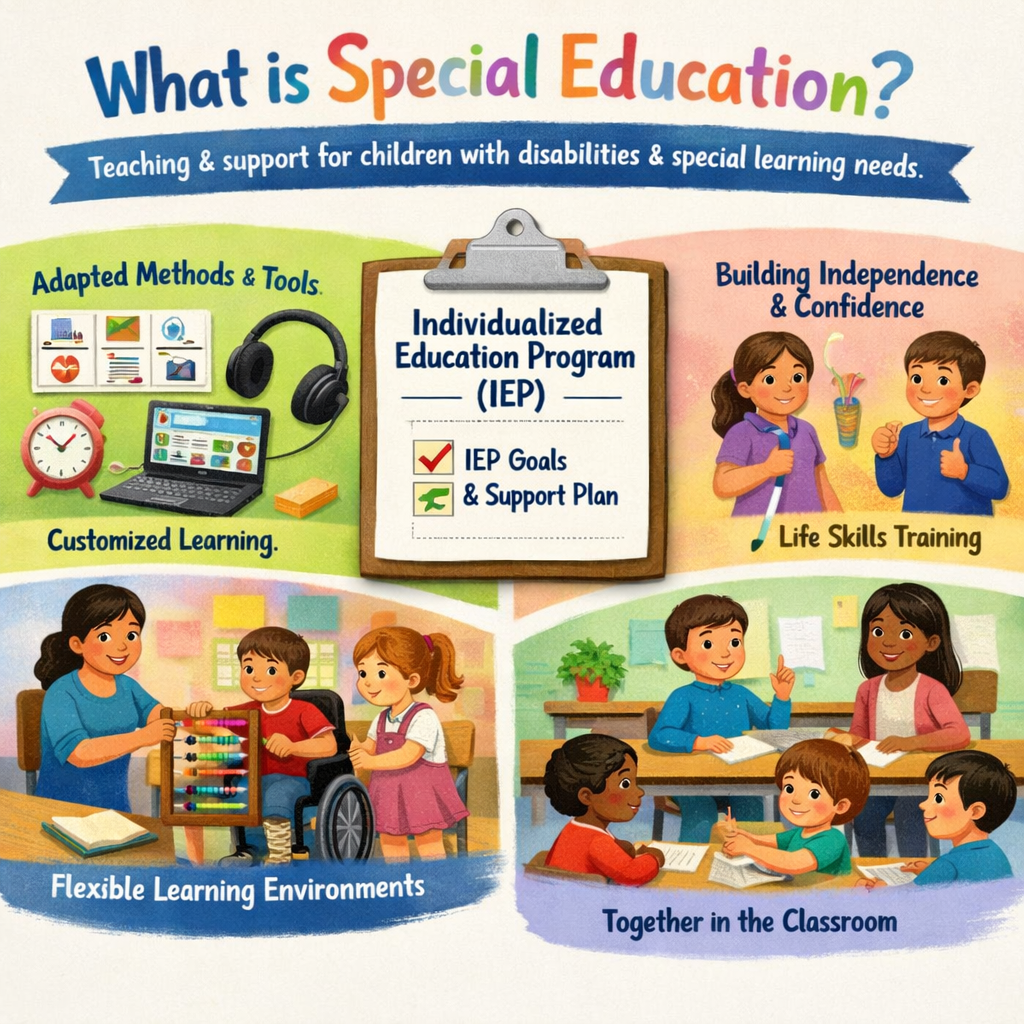
What is Special Education?
What is Special Education refers to planned teaching and support designed for children who have Disabilities or Special Learning Needs. It uses adapted methods, tools, and learning settings so every child can learn in a way that suits their abilities. What is Special Education also focuses on helping children become independent and confident, often through an Individualized Education Program (IEP), while encouraging learning alongside peers in regular classrooms whenever possible.
Table of Content
Modern Trends in Special Education
Modern Trends in Special Education refer to the evolving classrooms that Special Education today reflects changing classroom needs, learner diversity and advances in research and technology. These modern trends focus on inclusion, flexibility and meaningful outcomes for learners with varied abilities.
Inclusive Education and Universal Design for Learning (UDL)
Schools are moving away from separate classrooms toward shared learning spaces. UDL allows lessons to be presented in multiple ways so students can access content based on their strengths. For example, a history lesson may include videos, visuals, and simple text so learners with reading difficulties can participate alongside peers.
Infusing Latest Tech-tools
AI-backed latest tech tools have a lot of benefits, especially in improving the attention span of the child. It also helps students, especially with writing issues, by using speech-to-text software, enhancing their learning skills immensely. A visual organizer can always help a child with ADHD to know exactly what his everyday tasks are.
Individualized Learning Plans
The child’s strengths and weaknesses are assessed, and the instructions are built on their learning preferences. This enables the child to learn in a manner that is stress-free and makes the learning journey joyous.
Behavioral and Social-Emotional Education
Encouraging the child to understand their emotions and find ways to regulate their emotions helps to develop better behavioral patterns. Simple group activities in the classroom help children function together, understand each other’s struggles, and usher in better social-emotional learning.
Early recognition of developmental delays
When the small signs are noticed, it helps with Early Intervention and Prevention. Identifying Learning Needs early improves outcomes. Multi-Tiered System of Supports frameworks support students before challenges grow. A preschool child showing speech delays may receive early language support.
Collaborative Support Systems
Teachers, therapists, parents, and students work together. Regular planning meetings ensure consistent strategies at school and home.
These trends highlight a balanced approach that values academic growth, emotional well-being, and long-term independence.
To download the brochure of the SEN Course, Click Here!
To know more about the SEN Course, Call or WhatsApp on +919321024137 / +919869546913.
Examples of Special Education in the Classroom
Special Education in the classroom focuses on adapting teaching methods so every learner can participate and progress at a comfortable pace.
These examples show how support is provided within everyday learning environments.
Personalised attention
The child’s strengths and weaknesses are assessed, and accordingly, lesson plans are devised that are based on the child’s preferred learning styles. The child’s needs are given the highest priority, and accordingly, instructions are chalked out enabling the child to attain his learning goals effectively.
Minimised study-circle
There should be a smaller group of students so that the teacher can explain the concepts better and ensure that all their doubts and queries are solved properly. For e.g. when the group is small a lot of hands-on-learning experiences can be provided to a group of children while they work in silence the other students are engaged in other tasks.
Power-Backed Technology methods
Latest Use of Assistive Tech Tools such as visual organizers, audiobooks, or tools such as speech-to-text software, audiobooks, or visual timers support learning. A student with writing challenges may use a tablet to record spoken answers instead of writing.
Modified Classroom Environment
Seating, lighting, or quiet corners help reduce distractions. A learner with attention difficulties may sit near the teacher for frequent guidance.
Peer Support and Inclusive Activities
Group tasks encourage cooperation and social skills. A buddy system allows classmates to support one another during projects.
Behavioural and Emotional Support
Positive reinforcement and visual schedules help manage behavior. A reward chart may motivate a child to follow routines.
These classroom practices ensure learning remains supportive, structured, and inclusive for all students.
To download the brochure of the SEN Course, Click Here!
To know more about the SEN Course, Call or WhatsApp on +919321024137 / +919869546913.
Start Taking an Active Role in Special Education
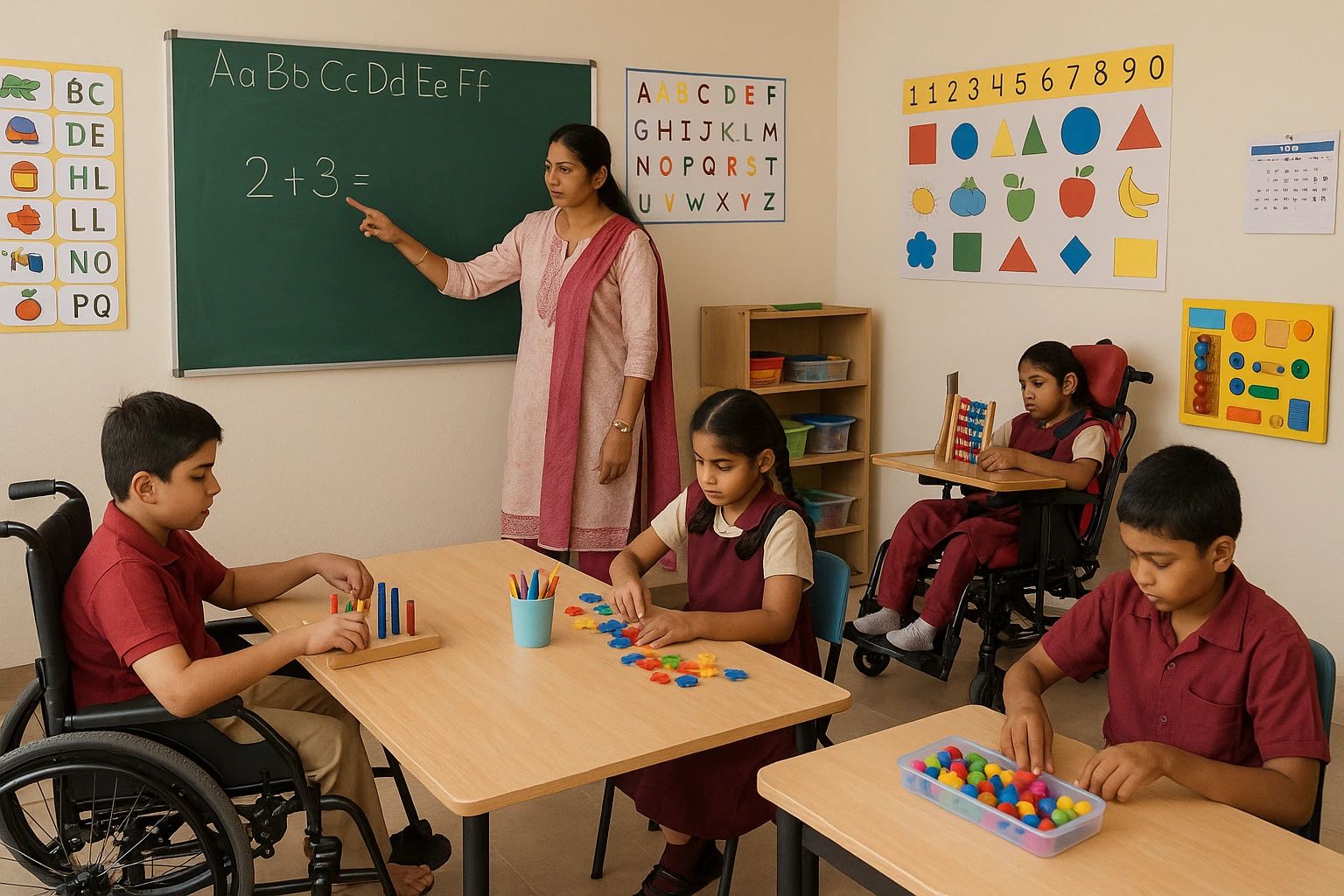
Being involved in special education helps students with different needs study in a way that matters and get good results. When teachers, parents and caregivers remain engaged, kids get help all the time, both in and out of school.
Understand Individual Learning Needs
Begin by knowing the child’s strengths, challenges, and learning goals. For example, reviewing an Individualised Education Program (IEP) helps identify suitable teaching strategies and expectations.
Positive Alliances with other professionals
Maintaining regular communication with all the stakeholders in the child’s academic journey helps to modify the intervention programs and bring in better changes to help the child attain his learning outcomes effectively.
Foster learning at home.
A lot of hands-on learning activities, which are simple, can reinforce the concepts that are being covered at school. Encouraging the child to even arrange vegetables into the baskets reinforces the concept of counting properly.
Encourage Independence and Confidence
Allow children to try tasks with guidance rather than doing everything for them. A child may be encouraged to organize school materials using a checklist.
Promote Social and Emotional Growth
Emotional support helps children build confidence, enabling them to develop essential social interaction skills. Role-playing everyday situations helps children practice communication and problem-solving.
Legal policies
Become a staunch advocate for the rights and benefits of Children with Special Needs, and ensure that they receive the benefits they are entitled to, ensuring equal access to learning.
Active involvement builds trust, improves learning consistency, and helps children reach their full potential in special education.
To download the brochure of the SEN Course, Click Here!
To know more about the SEN Course, Call or WhatsApp on +919321024137 / +919869546913.
Where do Special Education Professionals Work?
Considering the rising number of Special Needs Children and the application of inclusive education practices in educational institutions, there is a pressing need for skilled special educators, making this profession a highly lucrative one. Special Education professionals now have a wider scope of job roles. When trainees undergo the Special Education Needs course, they are well-equipped to work in diverse classroom situations for varied work environments.
Private and Govt Schools
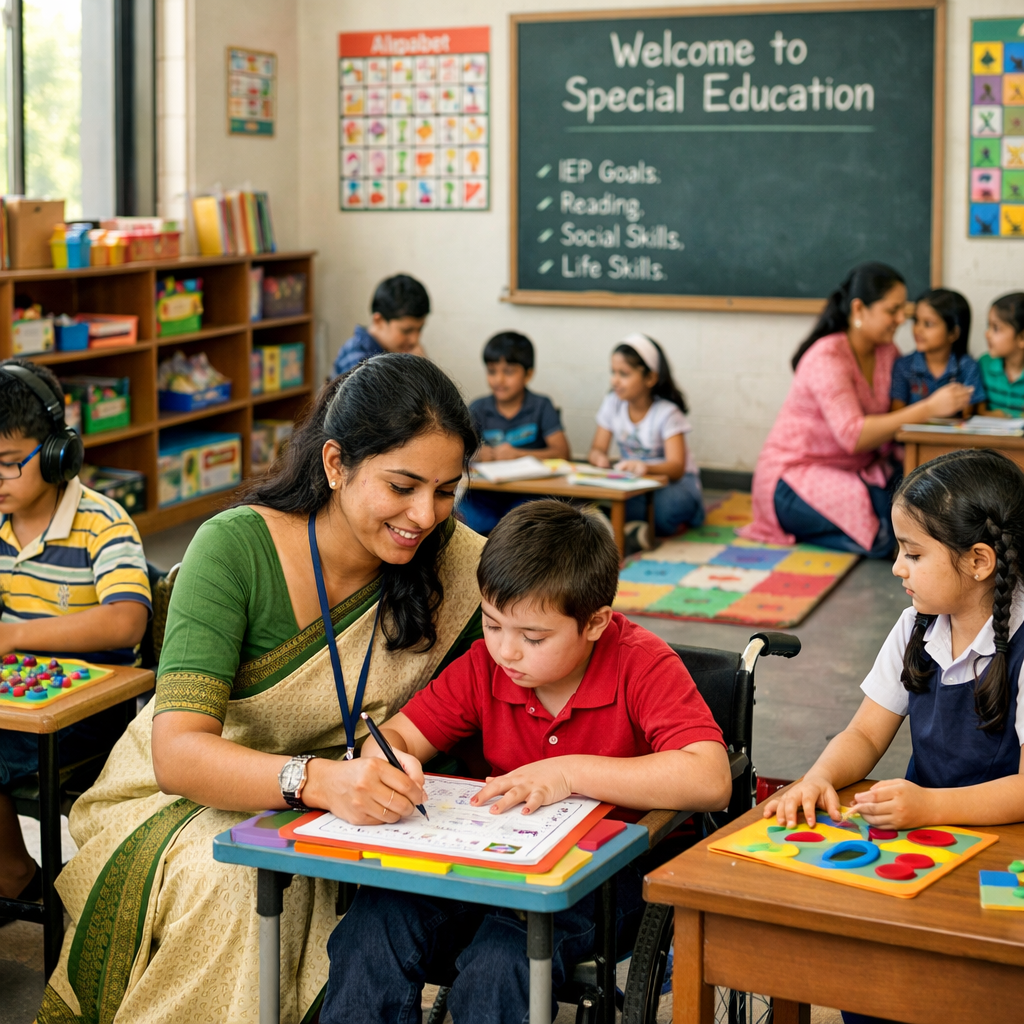
Special Educators can work in reputed schools, either private or government-run bodies, where they cater to a wider range of students with different disabilities. The special educator attends to special children in a regular classroom by modifying the lessons as per their learning needs.
Early Intervention Clinics
These centres help young children develop skills that help them handle the challenges posed due to developmental delays. The special educator can work with individuals to foster their fine motor skills through different hands-on-learning activities.
Rehabilitation Centers
In such centers a wide range of professionals work and collaborate to devise intervention programs to support children with physical, emotional, or cognitive needs.
Social Work and NGOs
Several NGOS have educational programs that cater to children from underprivileged backgrounds who find it difficult to acquire therapy treatments.
Hospitals and Healthcare Facilities
Some work in pediatric units supporting children with long-term medical needs. Education plans help maintain learning continuity during treatment.
Private Practice and Home-Based Support
Individual sessions allow personalised instruction. A professional may provide one-on-one learning support at home.
Those interested in these roles can upskill through professional training. Vidhyanidhi Education Society (Govt. Regd.) offers Special Education Needs Course options designed for practical application. Taking a Special Education Needs Course gives you more confidence and knowledge. A recognized Special Education Needs Course will help you advance in your profession in this sector over time.
Join Vidhyanidhi’s SEN Course—shape inclusive classrooms, change lives today!
To download the brochure of the SEN Course, Click Here!
To know more about the SEN Course, Call or WhatsApp on +919321024137 / +919869546913.
What is Special Education?
FAQs
What is the Qualification for a special teacher?
A special teacher usually needs a diploma or degree in special education, along with skills in child development, behaviour support, and inclusive teaching practices.
Which Course Is Best for Special Education?
The best course builds practical skills, focuses on inclusive strategies, and covers diverse learning needs, preparing educators for real classroom and support settings.
What is the best way to set up a classroom for special education?
Flexible seating, quiet areas, visual aids and easy access to the instructor are all good ways to keep pupils focused, comfortable, and interested in learning.
What is the best way to help students who are having trouble?
Early, focused aid like small-group teaching, individualised education, and regular monitoring are all helpful ways to fill learning gaps.
