


Key Signs of Dyspraxia
Key Signs of Dyspraxia
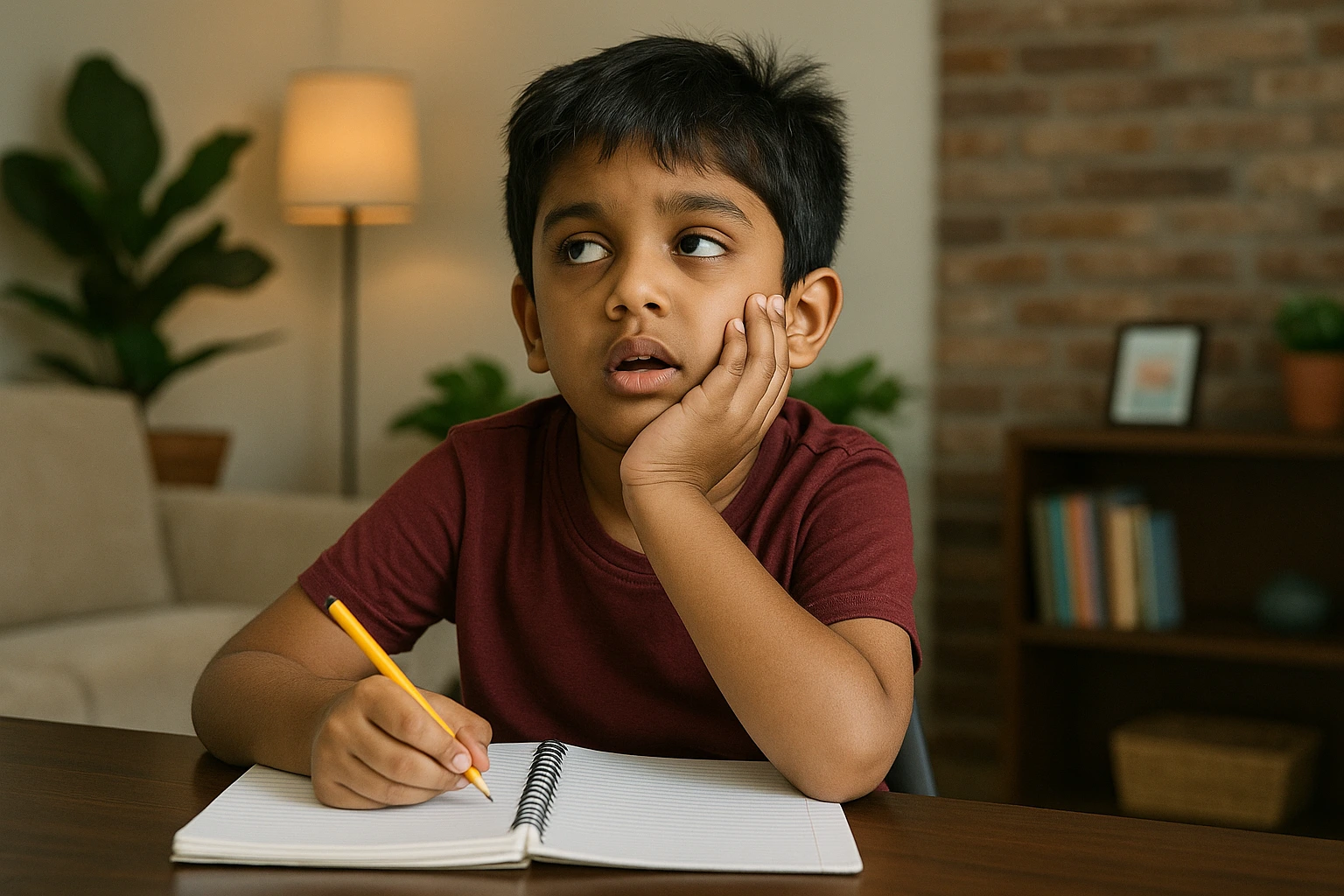
Dyspraxia affects how a kid plans and carries out everyday movements and tasks. Many kids with this disorder appear intelligent and excited to learn, yet they may struggle with balance, handwriting, using cutlery or following multi-step instructions. In many instances, these signs can be confused with laziness, naughty behaviour, or even being careless and being misjudged can affect the child’s self-confidence, creating a dislike of attending school.
When these signs are noticed early by teachers and parents, it helps them to assist their children in a better way and offer the desired support at an early stage.
Table of Content
What is Dyspraxia?
Dyspraxia is a Neurodevelopmental Disorder where the coordination skills of the brain are not properly developed, due to which activities that need coordination being completed skillfully by the child, making them appear clumsy, careless with poor balance. Dyspraxia causes a lot of issues with movement and coordination. Performing any activities that need coordination is a complex process involving a lot of nerves and other parts of the brain.
The areas also known as Developmental Coordination Disorder (DCD) is a neurodevelopmental condition, making it hard for the brain to plan and coordinate movements, leading to clumsiness, poor balance, difficulty with handwriting, sports, daily tasks (like dressing), and sometimes speech, affecting both children and adults despite normal intelligence. It stems from poor communication between the brain and body, impacting fine & gross motor skills and organisation, but occupational therapy can provide strategies to manage these challenges.
Main attributes
Motor Skill Issues
Activities that need a lot of coordination skills such as shoelaces, riding a bicycle, and copying from the board.
Communication skills
Verbal dyspraxia often results in poor speech or wrong pronunciation.
Organisational skills
Due to poor coordination, organising things is an issue that leads to unorganised surroundings.
Very little body awareness
The child can often bump into things as he they have poor body awareness.
What it’s Like
- Being unable to perform simple day-to-day tasks can lead to low self-morale.
- Tasks that need eye-hand coordination can be difficult and need additional effort.
- Developing social skills is a struggle.
Other Names
Developmental Coordination Disorder (DCD) – preferred by many professionals, Clumsy Child Syndrome and Motor learning difficulty.
Controlling
Early recognition of the symptoms helps to initiate the intervention program that can make a significant impact on the child’s overall progress. The child can build essential practical skills needed to perform their daily tasks with ease and manage with minimal assistance.
Management
Early identification and the right support can make a meaningful difference. Occupational Therapy is commonly used to build practical skills, improve confidence, and introduce strategies that make daily activities easier to manage at home, school, and work.
For more information on the LD Course, Call/WhatsApp at +919321024137 / +919869866277
To download the brochure of the LD Course, Click Here!
Signs of Dyspraxia
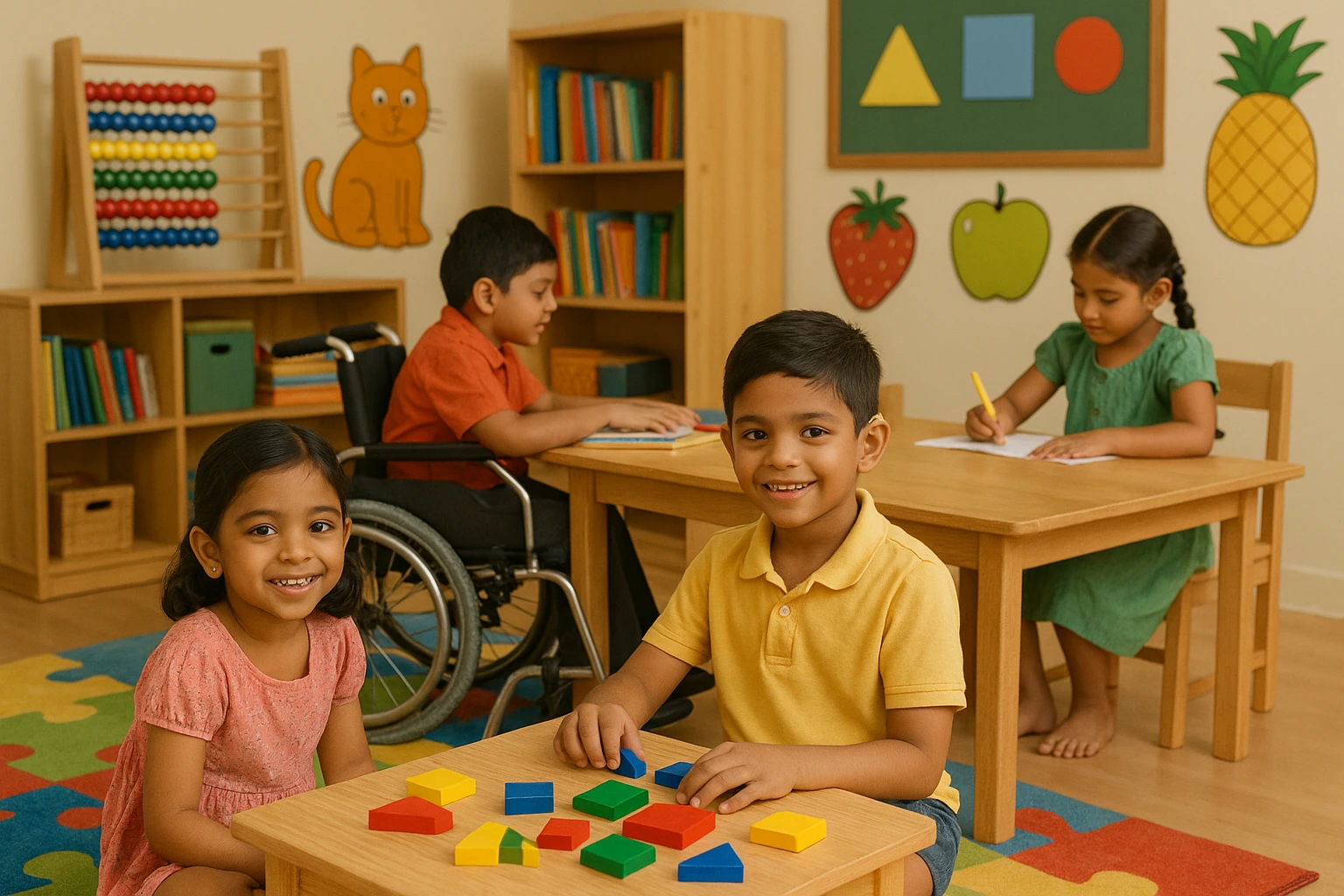
When the child does not attain their developmental milestones, it becomes a cause of concern for the parents. Signs of Dyspraxia can be noticed when the child does not display age-appropriate movements related to movement, coordination, speech, and everyday skills.
Though these struggles do not necessarily mean low intelligence, they do impact a child’s learning, his morale, and his social interaction skills.
Symptoms in Young children are listed below:
Common signs include
Gross and Fine motor Milestones delays when the child does not show signs of sitting, walking, or speaking compared to peers.
Ungainliness
Tripping frequently, bumping often and poor body balance.
Activities that need strong finger grip, along with eye coordination, are easily affected, such as eating, holding crayons, or using spoons and forks.
Speech concerns
Delayed babbling, difficulty forming clear sounds or words, and problems controlling speech volume or speed

Source: freepik
Self-care challenges
Struggles with potty training, feeding independently, brushing teeth, or getting dressed. These early difficulties may cause frustration, as the child knows what they want to do but cannot easily control their movements.
Signs in School-Aged Children
As children grow, the demands of school and social life make the signs more noticeable. These may include:
Coordination difficulties
Problems with riding a bicycle, skipping, jumping, catching balls, or participating in sports
Fine motor issues
Illegible or slow handwriting, messy drawings, and difficulty managing buttons, zippers, shoelaces, or classroom tools
Planning and organisation problems
Trouble following multi-step instructions, completing tasks in sequence, or managing time effectively
Speech and language issues
Slurred or slow speech, difficulty finding the right words, or speaking clearly in class
Body awareness concerns
Poor posture, tiring easily during physical tasks, and bumping into objects due to weak spatial awareness.
Social and emotional signs
Low self-esteem, frustration with tasks others find easy, difficulty making or keeping friends, and a short attention span for challenging activities
Parents, teachers, and caregivers may provide understanding and practical help if they see these indicators early on. Kids develop crucial life skills that are needed to function effectively when they receive timely help at an early stage.
For more information on the LD Course, Call/WhatsApp at +919321024137 / +919869866277
To download the brochure of the LD Course, Click Here!
Source: pensxpress
Treating Dyspraxia
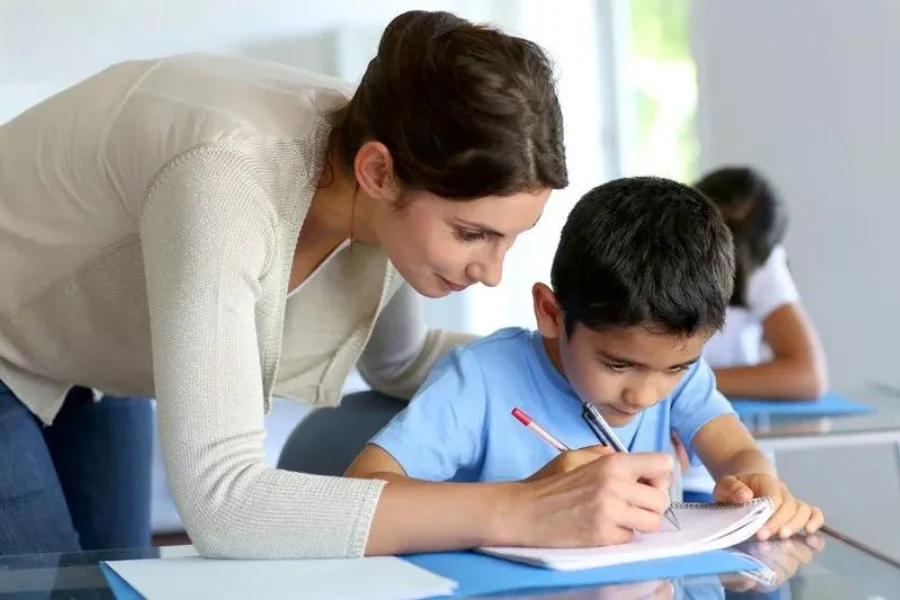
Treating Dyspraxia concentrates on helping individuals manage daily difficulties, improve coordination, and build confidence. Dyspraxia doesn’t have a single specific treatment but it involves a careful selection of appropriate strategies that help them improve their performance at school and develop essential social skills.
Common Treatment Approaches
Occupational therapy
This therapy focuses on building the child’s fine and gross motor skills needed in day-to-day activities and classroom tasks.
Physiotherapy
This therapy is based on improving the child’s physical development, especially their balance, posture, and body control.
Communication and Language development therapy
This therapy focuses on enhancing the clarity of speech of the child.
Skill-development tactics
This involves helping the child understand complex tasks by breaking them down into small units and then mastering them by doing them regularly with the help of visual organisers.
Emotional guidance
Emotionally supporting the child by listening to their challenges and ensuring that they, too, can overcome these struggles effectively.
- Allowing alternative ways to complete written work
- Providing clear, step-by-step instructions
- Encouraging the use of assistive tools for writing and organisation
- Offering positive reinforcement to boost self-esteem
Training educators and caregivers plays a key role in effective support. Institutions like Vidhyanidhi Education Society (Govt. Regd.) help build this understanding through professional programmes. Their Learning Disability Course trains trainees, parents and aspiring teachers in essential knowledge and classroom strategies that can help children attain their learning outcomes effectively.
Emotional and Social Support
Emotional well-being is just as important as physical skill development. Children and adults may feel frustrated when tasks take longer or require more effort. Supportive counselling, encouragement, and patience help reduce anxiety and build resilience. Peer understanding also improves social interaction and confidence.
Role of Professional Training
Children with Dyspraxia possess normal intelligence, but their poorly developed coordination skills hamper their overall progress, which needs professional handling by skilled professionals. Teachers who are trained under a learning disability course have deep insights into the crucial aspect of Dyspraxia and they develop skills that are needed to help children handle their challenges skillfully. Professional training can also be of great help for parents who wish to devise a conducive learning space for the child at home as well.
Undergoing a Learning Disability Course prepares trainees to foster the overall holistic progress of the child, enabling them to gain confidence in mastering their daily tasks with minimal assistance.
By implementing the precise strategies and structured therapies, dyspraxic individuals can develop the much-needed coordination skills that help build confidence in handling their daily tasks with efficiency and attain their educational goals.
Master the skills with Vidhyanidhi Education Society‘s (Govt. Regd.) LD Course and transform lives with expert guidance!
For more information on the LD Course, Call/WhatsApp at +919321024137 / +919869866277
To download the brochure of the LD Course, Click Here!
FAQ
Do people with dyspraxia get tired easily?
Yes, everyday tasks need extra effort and concentration, which can lead to physical and mental fatigue, especially during school or structured activities.
What are the superpowers of dyspraxia?
Many show strong creativity, problem-solving skills, empathy, big-picture thinking, and original ideas, especially in art, storytelling, or technology.
Does dyspraxia affect appearance?
It does not change physical features, but poor posture, awkward movements, or messy handwriting may make coordination differences more noticeable.
How do I get my child tested for dyspraxia?
Consult a paediatrician for referral to an occupational therapist; awareness programs by Vidhyanidhi Education Society also guide parents on Dyspraxia support.
