



Why is ADHD as Learning Disability not considered?
Why is ADHD as Learning Disability not considered?
ADHD as Learning Disability is often misunderstood, leading to confusion among parents, teachers, and learners. Many people see ADHD only as a behaviour or attention issue, not realising how strongly it affects reading, writing, memory, and classroom performance. This lack of clarity raises important questions about support, teaching methods, and academic accommodations. Understanding why ADHD as Learning Disability is not always recognised helps explain gaps in diagnosis, learning support, and inclusive education practices.
Table of Content
What is ADHD?
ADHD (Attention-Deficit/Hyperactivity Disorder) is a neurodevelopmental condition that affects how a person pays attention, controls impulses, and manages activity levels. It usually begins in childhood and can continue into adolescence and adulthood.
Main attributes of ADHD
- It has a major impact on the attention span, concentration, and behavioural patterns of the child.
- Bad Parenting or indiscipline is not the cause of ADHD.
- ADHD does not signify low intelligence. ADHD individuals are highly talented.
- No two ADHD individuals exhibit the same symptoms.
Some of the most prevalent features of ADHD are listed below
- Difficulty sustaining attention on tasks or instructions
- Consistent forgetting of things in daily functioning.
- Acting without thinking or blurting out answers when not asked for Frequent forgetfulness in daily activities
- Roaming around aimlessly in the classroom
Types of ADHD
- Inattentive type – trouble focusing, following instructions, and completing tasks
- Hyperactive-impulsive type – constant movement, talking, and acting quickly
- Combined type – a mix of inattentive and hyperactive-impulsive traits
ADHD affects learning, behaviour, and social interactions, especially in structured environments like classrooms. Early understanding and the right support strategies can help individuals manage challenges and use their strengths effectively.
Click here to download the brochure of the LD Course!
Call or WhatsApp on +919869546913 / +919869866277 for more details of the LD Course!

What is an LD?
LD (Learning Disability) or a Learning Disorder refers to a condition where the brain’s power of processing information is not completely developed, which affects the way the child processes information. This might hamper the learning skills of the child, slowing down their academic progress and restricting them from participating fully in classroom activities.
Important points about LD
- LD occurs due to the brain’s incapacity to process information.
- Any indiscipline or lazy behaviour does not cause LD
- The symptoms of LD get exhibited when the child starts school.
- LD can impact varied learning areas.
Most prevalent types of Learning Disabilities
- Reading disorder Dyslexia – Child struggles to read fluently, and letter recognition suffers.
- Writing Disorder Dysgraphia: Difficulty in forming letters, writing in a confined space and poor handwriting.
- Math Dyscalculia – Struggle with understanding numbers, abstract concepts such as time and money.
Symptoms of an LD are listed below
- Very poor fluency of reading and deciphering written text.
- Issues to put thoughts on paper
- Forgetting instructions, especially when multiple instructions are given.
- Pace of progress is slower, irrespective of constant efforts.
When the above signs are carefully detected at an early age, it helps to initiate the intervention process early, helping children develop essential skills and gain confidence to engage completely in all classroom activities.
Click here to download the brochure of the LD Course!
Call or WhatsApp on +919869546913 / +919869866277 for more details of the LD Course!

Is ADHD a Learning Disability?
ADHD is not officially classified as a Learning Disability, but it strongly affects learning in many ways. ADHD mainly impacts attention, impulse control, and activity levels, which can interfere with academic performance.
Significant differences between ADHD and Learning Disabilities
- ADHD impacts the concentration ability of the child.
- A Child with ADHD can process information properly, but inattention diverts his mind and leads to incomplete tasks.
- A child who has Learning Disability cannot process information correctly; therefore, there is an issue with skill acquisition itself.
Reasons why ADHD could be considered a Learning Disability:
- Not being able to focus during class hours
- Not being able to complete the given work due to not being able to process multiple instructions
- Difficulty organising time and poor organisational skills.
- Struggle to enhance the academic performance.
Impacts of ADHD on learning skills
- Important details can be skipped while reading
- Due to impulsive reactions, constant errors
- Not being able to sit in one place
- Not being able to complete the assignments or tasks, especially the ones with a deadline.
ADHD impacts the most crucial skills that are needed for attaining academic progress, although it isn’t called as a Learning Disability, it needs systematic teaching strategies accompanied with personal guidance for attainment of their learning outcomes.
Click here to download the brochure of the LD Course!
Call or WhatsApp on +919869546913 / +919869866277 for more details of the LD Course!

ADHD and LDs are not the same
ADHD and Learning Disabilities (LDs) are two different conditions; however, they do impact the child’s academic progress. Their attributes vary, and the kind of interventional support needed for both differs.
Main differences between ADHD and LDs
- ADHD impacts the concentration ability of the child, emotional regulation and behavioural patterns.
- LDs impact the information processing abilities of the child sue to which the learning skills are affected.
- ADHD leads to unfinished tasks.
- LDs affect the reading, writing and math skills of the child.
The effects of ADHD in a learning environment
- The child cannot focus completely during the class.
- Cannot complete tasks that involve multi-step instructions.
- Acts on impulse without thinking of the consequences.
- Poorly managed surroundings and belongings.
The impact of LDs in a learning setting
- Struggle to attain learning outcomes in a particular learning area.
- Pace of progress is slow despite constant efforts.
- Reading fluency is poor.
- Difficulties in writing in the confined space and forming letters are an issue.
Essential to understand
- ADHD and LD can be co-existing conditions.
- ADHD doesn’t imply low intelligence.
- LD’s do not impact the child’s behaviour patterns.
When the crucial differences between ADHD and LDs are precisely understood by teachers and educators, it helps to provide them with the desired academic assistance in the form of effective strategies that help them achieve their academic goals successfully.
Click here to download the brochure of the LD Course!
Call or WhatsApp on +919869546913 / +919869866277 for more details of the LD Course!
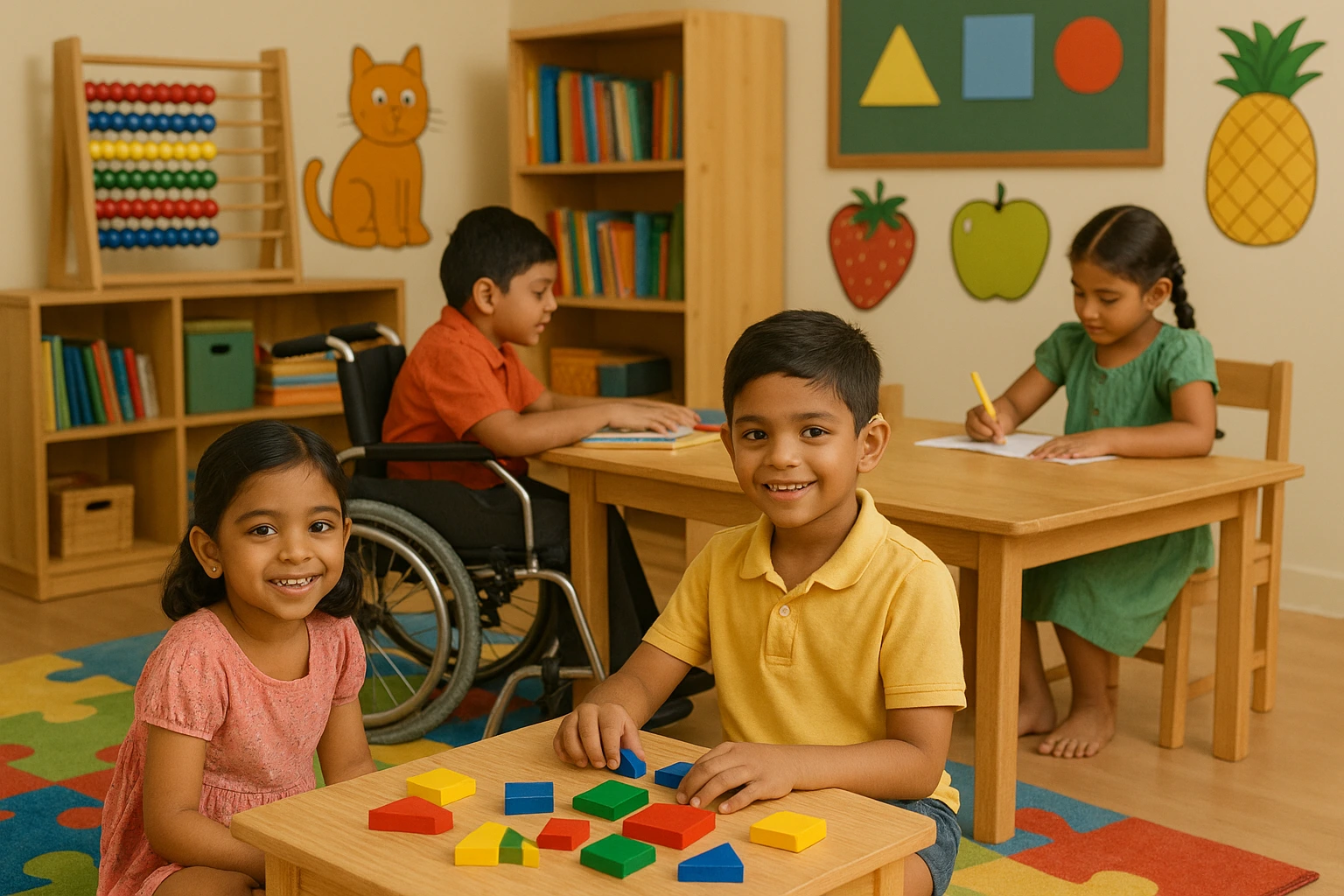
Can I Claim Disability for ADHD?
There are different rules and effects on daily life for claiming Disability for ADHD in different countries and by different authorities. ADHD is not necessarily considered a handicap on its own, but help may be available if the symptoms make it hard to go to school, work or live your life.
Key points to understand
- ADHD is a neurodevelopmental disorder that is not usually considered a disability.
- Claims are looked into when ADHD makes it hard to study or do things.
- A formal diagnosis and thorough records are generally needed
- Educational accommodations are more common than financial benefits
When ADHD may be considered for disability support
- Severe difficulty with attention, memory or task completion
- Ongoing educational struggles despite support
- Impact on social behaviour, communication or self-management
- Co-existing learning challenges or related disorders
Role of professional training and awareness
- Teachers prepared in learning difficulties can better identify support needs
- Understanding assessment criteria helps families seek the correct guidance
- Vidhyanidhi Education Society (Govt. Regd.) offers a Learning Disability Course designed to build practical knowledge
- The Learning Disability Course helps professionals support students with ADHD-related educational issues
- Parents and teachers benefit from structured insights gained through the Learning Disability Course
While ADHD may not always qualify for disability claims, proper documentation, informed guidance, and proficient support systems can make a meaningful difference in accessing educational help.
Shape young futures—join Vidhyanidhi’s LD Course today!
Click here to download the brochure of the LD Course!
Call or WhatsApp on +919869546913 / +919869866277 for more details of the LD Course!
Why is ADHD as Learning Disability not considered?
FAQs
Can ADHD live a normal life?
Yes. People with ADHD may study, work, make friends, and have balanced lives if they get the correct help, routines, and understanding.
What do people with ADHD need the most?
They require discipline, patience, clear directions, positive encouragement, and ways to learn and pay attention that work best for them.
What calms an ADHD brain?
Consistent routines, physical activity, short breaks, calming music, and reduced distractions help the brain stay steady and focused.
What is the best environment for someone with ADHD?
A calm, organised space with minimal noise, clear expectations, and trained guidance, like support shared by Vidhyanidhi Education Society.
