


How to Teach ABC Sounds Phonics?

How to Teach ABC Sounds Phonics?
ABC Sounds Phonics helps kids recognize how letters sound and how these sounds form words. Learning Letter Sounds is an important first step in early reading, as it builds a solid base for pronunciation and word recognition. When ABC Sounds Phonics is taught in a clear and playful method, kids feel more confident while listening, speaking and reading simple words. With the right methods, teaching letter sounds can be easy, engaging and effective for young kids.
Table of Content
What is Letters and Sounds?
The link between writing letters and the sounds they make when spoken is called “Letters and Sounds.” It is the basis for learning phonics and is a very important part of giving kids the confidence they need to start reading and spelling.
What Letters and Sounds Mean?
- Letters are the visual symbols from A to Z.
- In spoken versions sound is a group of letters.
- Kids learn best when they identify what a letter looks like and also understand the sound it makes when spoken.
Why Letters and Sounds Are Important?
- They help kids identify letter shapes and their sounds.
- They support early reading skills reveal how words are formed.
- They improve pronunciation and listening ability.
- They make spelling easier, as kids learn to match sounds with alphabets.
How Letters and Sounds Are Taught?
- Listening activities that focus on sound recognition
- By reading letter sounds aloud, not just letter names
- Using simple words and pictures to connect sounds with meaning
- Repetition and practice to build up memory and understanding
Kids may break words down into smaller, easier-to-read parts by recognizing letters and their sounds. This makes Reading Simpler and More Fun.
What Order to Introduce the Alphabet Letters?
Letters can be taught in the usual way from A to Z, but many early learning programs put them in a way that helps kids mix sounds faster. This method helps kids get ready to read earlier and makes the process of learning easy and useful.
Recommended Order to Introduce Alphabet Letters
- Start with common letters that appear often in simple words
- Introduce single-sound letters before those with multiple sounds
- Focus first on lowercase letters, as they are used more in reading
- Group letters that can form simple words early on
Helpful Teaching Tips
- Avoid teaching similar-looking letters together, such as b and d
- Practice letter sounds before letter names
- Use songs, flashcards, and hands-on activities to reinforce learning
- Regularly review previously taught letters to strengthen memory
Following a structured order allows kids to recognize patterns, combine sounds smoothly, and develop Early R0eading confidence step by step.
For downloading the brochure of Phonics Course, Click Here!
Call or Whatsapp on +918104606573 / +919869546913, for the details of Phonics Course!
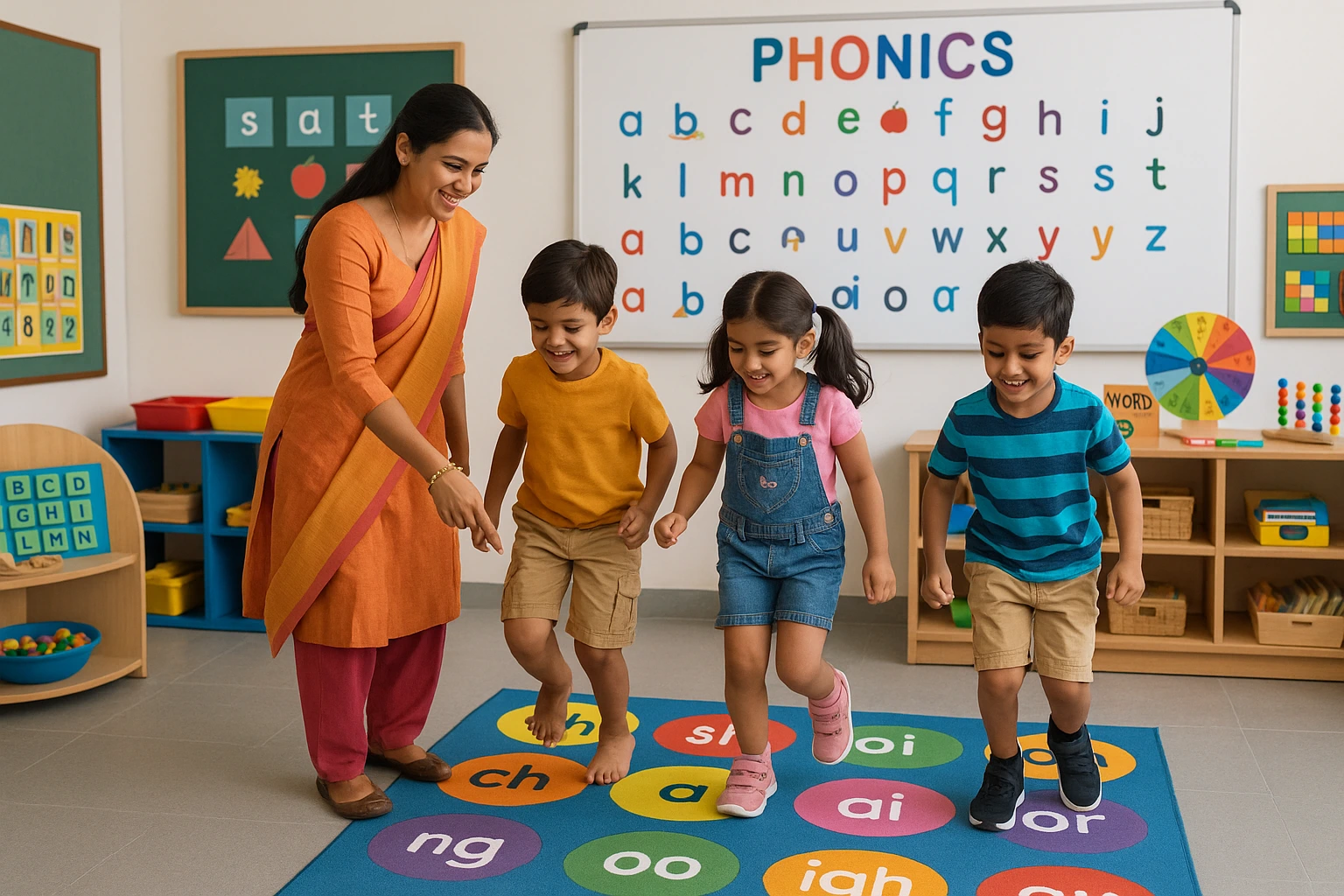
Methods for Teaching Letter Sounds
Teaching letter sounds is important for helping kids learn to read early on. Once kids learn letter sounds, they can building to put the sounds of each letter together to make rudimentary words.
Let’s find the effective Methods for Teaching Letter Sounds:
Phonics-Based Instruction
Kids learn the sound each letter makes rather than focusing only on letter names. This supports early reading and spelling skills.
Sound Repetition Practice
Repetition is key. By practicing letter sounds aloud to support kids memory and improve their pronunciation.
Picture and Sound Association
Linking letters to familiar objects, such as “b” for ball, helps kids in grasping the meaning of sounds.
Action and Movement Activities
Action help kids stay focused and learn better. Using hand or body motions, along with sounds, has been shown to improve their ability to concentrate and understand things.
Songs and Rhymes
Simple songs and rhythmic patterns make letter sounds easier to remember and enjoyable to practice.
Blending and Segmenting Exercises
Kids work on connecting sounds to form words and break words into individual sounds, building reading readiness.
Multi-Sensory Learning
Tracing letters with sand, using clay, or sketching letters are all fun ways for young toddlers to learn via touch and sight.
Tips for Better Learning
- Teach one sound at a time
- Keep practice sessions short and regular
- Review previously learned sounds often
- Encourage children to say sounds clearly and confidently
Merging these methods helps kids develop a strong letter-sound awareness and creates a strong foundation for Early Reading success.
For downloading the brochure of Phonics Course, Click Here!
Call or Whatsapp on +918104606573 / +919869546913, for the details of Phonics Course!
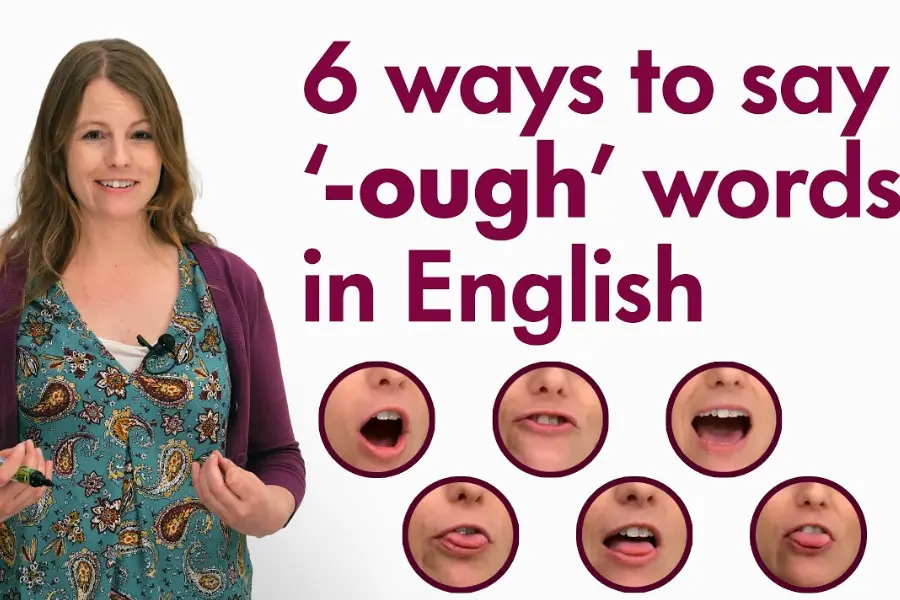
Source: youtube
What are the 44 Phonics Sounds?
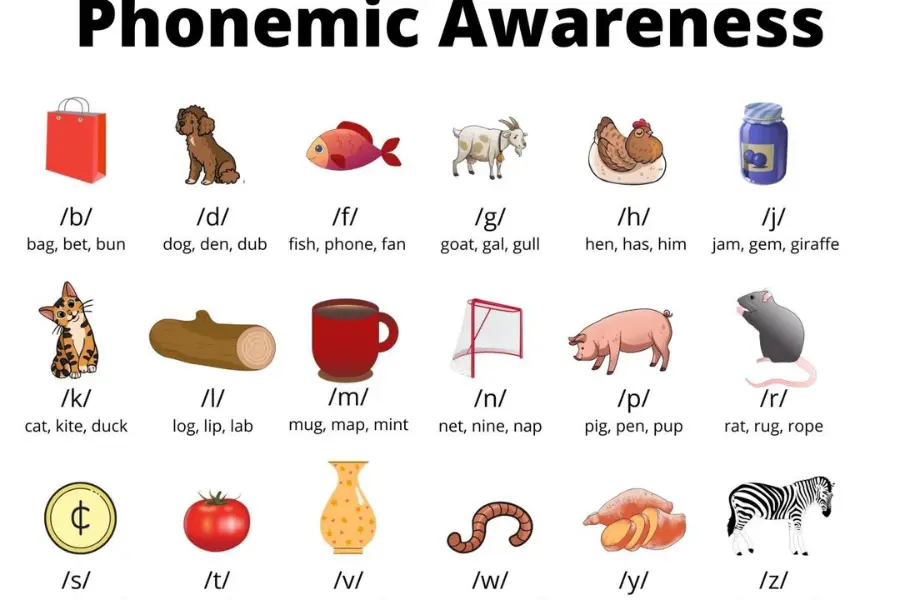
Spoken English is built on 44 fundamental phonics sounds, important for helping kids learn to read and spell. Known as Phonemes, these sounds show how single letters and letter combinations work together in words. They are divided into single-letter sounds and digraph sounds (where two letters make one sound), giving kids the tools to understand word patterns and build strong reading skills.
Single-Letter Sounds (Basic Sounds)
These sounds are usually represented by one letter.
- a as in apple
- b as in ball
- c as in cat
- d as in dog
- e as in egg
- f as in fish
- g as in goat
- h as in hat
- i as in igloo
- j as in jug
- k as in kite
- l as in lamp
- m as in mat
- n as in net
- as in orange
- p as in pen
- q as in queen
- r as in rat
- s as in sun
- t as in top
- u as in umbrella
- v as in van
- w as in web
- x as in box
- y as in yak
- z as in zip
Digraph Sounds (Two or More Letters, One Sound)
These sounds are made when letters work together.
- ch as in chair
- sh as in ship
- th as in thin / this
- wh as in wheel
- ng as in ring
- ai as in rain
- ee as in tree
- ie as in pie
- oa as in boat
- oo as in moon / book
- ar as in car
- or as in fork
- er as in her
- ou as in cloud
- oi as in coin
Why the 44 Phonics Sounds Matter?
- They support kids to read tricky words
- They improve spelling accuracy
- They support clear pronunciation
- They build strong reading confidence
Learning 44 phonics sounds allows kids to know how words are formed, making early reading and writing more effective and fun.
For downloading the brochure of Phonics Course, Click Here!
Call or Whatsapp on +918104606573 / +919869546913, for the details of Phonics Course!
Source: vocus
How do Most Teachers Teach Phonics?
Many teachers use simple and organized methods to teach phonics, helping kids connect letters with sounds and blend them to form words. The main aim is to create strong reading and spelling skills with regular practice and clear guidance. To improve their teaching skills and gain knowledge of phonics, many teachers choose to enroll in a Phonics Teacher Training Course.
Common Ways Teachers Teach Phonics
Systematic phonics instruction
Teacher’s introduce letter sounds step by step, beginning with the most basic sounds and gradually progressing to more intricate ones.
Teaching sounds before letter names
Kids first learn how letters sound in words helps them to read more easily.
Blending and segmenting practice
Students are taught how to put sounds together to read words and how to break words down into their sounds to spell them.
Use of visual aids and examples
Flashcards, charts, and pictures are used to help children remember sounds and word patterns.
Daily repetition and revision
Teachers regularly review previously learned sounds to strengthen recall and accuracy.
Multi-sensory activities
Writing letters, saying sounds aloud and using hands-on materials support different learning styles.
Effective phonics teaching methods demands well-prepared teachers. The Vidhyanidhi Education Society (Govt. Regd.) provides a Phonics Teacher Training Course, provides teachers with practical strategies and hands-on techniques that can be directly applied in the classroom. This course instructs teachers in lesson planning, the proper implementation of phonics activities, and how to support young readers with assurance. Through this training, educators acquire the essential knowledge to teach phonics in a clear, organized manner.
With the correct teaching methods and training, teaching phonics becomes more effective, helping kids develop strong reading foundations from an early stage.
Boost young readers’ skills—join Vidhyanidhi Education Society (Govt. Regd.)’s Phonics Course today!
For downloading the brochure of Phonics Course, Click Here!
Call or Whatsapp on +918104606573 / +919869546913, for the details of Phonics Course!
ABC Sounds Phonics
FAQs
What Age Should Kids Learn Phonics?
Most kids start learning phonics between the ages of 3 and 5, when their listening abilities improve and they are able to correlate sounds with letters.
The Best Order To Teach Phonics Skills?
Start with letter sounds, then go on to mixing sounds into words, segmenting, digraphs, and basic spelling patterns to help your reading progress steadily.
What Is The Correct Way To Teach Phonics?
Phonics should be taught in steps, with sounds coming before names. Students should practice often and use activities like ABC Sounds Phonics to make things clearer.
What Is The Best Age To Start Teaching Phonics?
Age 4 is the best time to start learning phonics in a disciplined way. Vidhyanidhi Education Society's training programs assist instructors use phonics approaches in the right way.
