


Effective Inclusive Education Needs Strategies for Teaching
Effective Inclusive Education Needs Strategies for Teaching
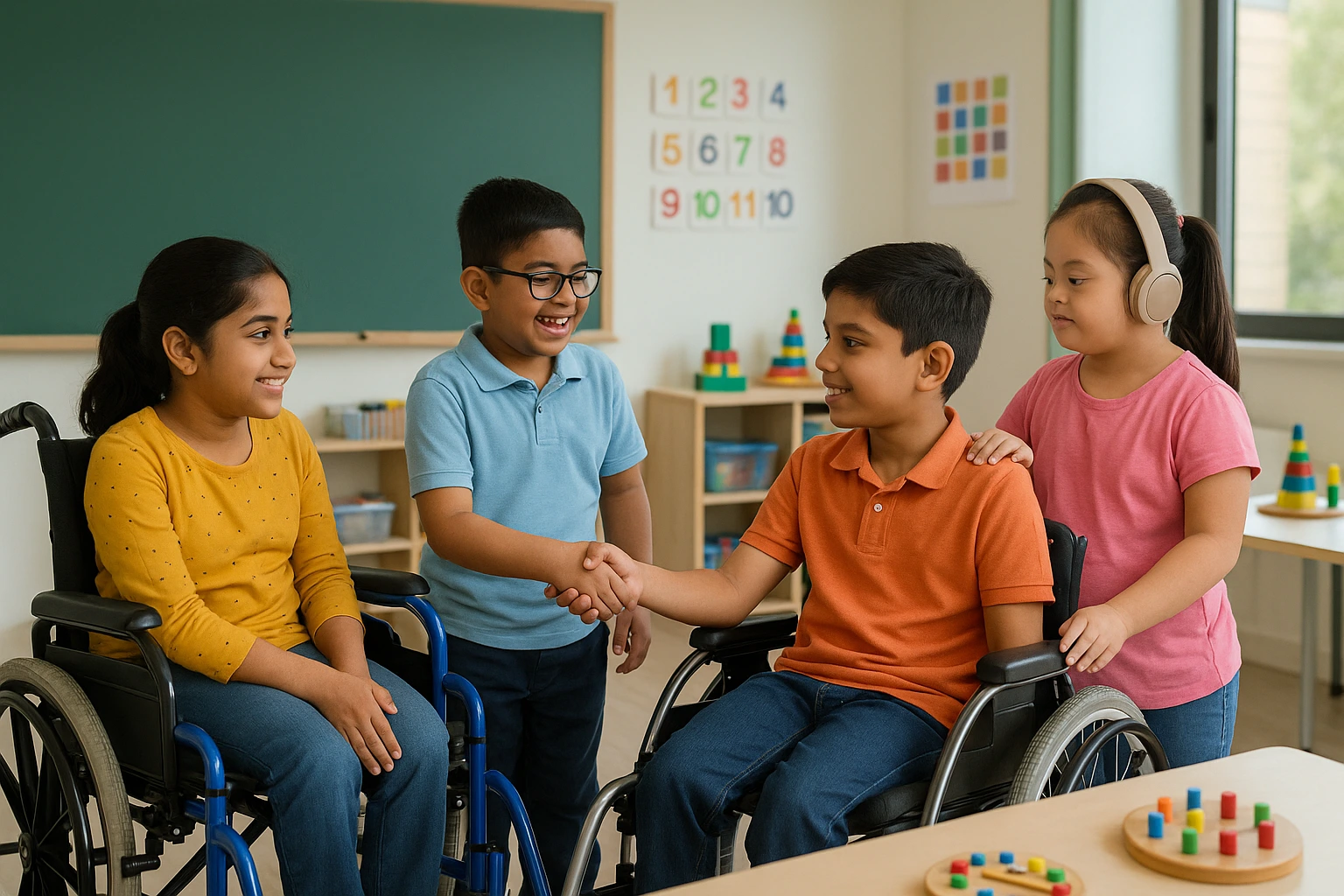
Inclusive Education is a growing need in today’s educational landscape, and efforts are underway to create conducive learning environments that foster the holistic progress of all children. The teaching methods used should align with the learning preferences of the child, which helps to make the learning journey of the child less complicated, thereby eradicating any learning barriers.
By using clear instructions, supportive tools, and positive classroom practices, educators can help all students grow with confidence. Understanding Inclusive Education Needs also helps schools build a respectful environment where differences are accepted, and learning becomes meaningful for everyone.
Table of Content
What is the Purpose of Special Education in Inclusive Education?
The purpose of Special Education in inclusive education is to ensure that every student receives fair and meaningful learning opportunities within a regular classroom setting. Inclusive education believes that kids with different abilities should learn together, with the right support. Special education plays an important role by addressing individual learning needs without separating students from their classmates.
Key purposes include:
- Providing personalised support to kids with learning disabilities.
- Supporting Kids to access the same curriculum through adapted teaching methods
- Building confidence, independence and social skills
- Supporting teachers with approaches, tools and classroom adjustments
- Promoting acceptance, respect and understanding among all students
Special education within inclusive education focuses on strengths rather than limitations. It makes sure that challenges faced by students in learning are reduced and that kids feel included, respected and capable. This method helps create classrooms where diversity is valued, and every kid has the chance to learn, grow and participate actively.
Join Vidhyanidhi Education Society’s SEN Course to shape futures as a Special Education Teacher!
For details of the SEN Course, Call / WhatsApp on +919321024137 / +919869866277.
Source: forbes
The Most Challenging Types of Special Needs
The most challenging types of special needs often involve multiple areas of difficulty that affect learning, communication, behavior and daily independence. These challenges require consistent support and carefully planned interventions.
Key areas of challenge include:
Neurodevelopmental conditions:
Severe Autism Spectrum, ADHD and other cognitive impairments can lead to poor communication skills and affect daily functioning.
Physical Impairments:
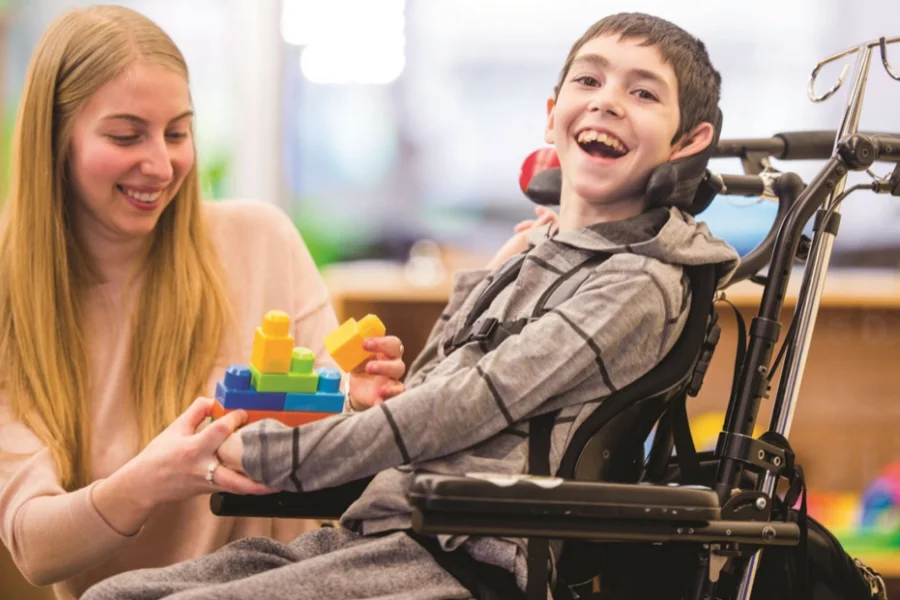
Cerebral Palsy, Sclerosis can affect a child’s basic movements and increase their physical dependency.
Socio-Emotional and Behavioural Challenges:
A high level of Anxiety disorder and an intense level of ADHD can affect learning skills, as the child cannot focus for a long duration, which hampers their ability to form close bonds.
Visual or Hearing Impairments:
Any kind of hearing loss or visual impairment increases the challenges of the child.
Structural support for the child that comprises effective teaching pedagogies, thoughtfully curated therapy treatments, and properly devised IEPS can make a huge difference in the learning abilities of the child.
Offering the child the perfect blend of social, educational and physical support, the students can attain their learning outcomes successfully.
Join Vidhyanidhi Education Society’s SEN Course to shape futures as a Special Education Teacher!
For details of the SEN Course, Call / WhatsApp on +919321024137 / +919869866277.

Source: tasteforlife
Educational Challenges for Inclusion
Educational challenges for inclusion arise when schools try to meet the learning needs of diverse students within the same classroom. While inclusion promotes equality, several practical barriers affect its success.
Common educational challenges include:
- Limited teacher training in handling diverse learning needs
- Large class sizes that reduce individual attention
- Lack of adapted learning materials and assistive tools
- Inflexible curriculum and assessment methods
- Communication gaps between teachers, parents, and support professionals
- Social stigma and peer misunderstanding are affecting student confidence
Students with Disabilities may struggle when classrooms are not adjusted to support different learning styles. Teachers may also feel overwhelmed without proper guidance or resources. Administrative and funding limitations further add to these difficulties.
Effective Practices for Inclusive Education
Effective practices for inclusive education emphasize encouraging children to be actively engaged in all the classroom activities by designing a classroom environment that is free of any learning barriers that restrict their participation.
Prime practices include:
- Including a variety of multi-sensorial teaching methods
- Structured teaching as per the child’s needs
- Modifications in lessons
- Curriculum adaptation
- Including tech-based learning apps
- Fostering group learning to promote inter-personal relationships.
- Classroom schedules to be followed.
- Involving parents and specialists in planning student support
Teachers are the torch bearers for the child’s overall development, understanding precisely their challenges and providing them with guided support to help them overcome these challenges.
Positive collaboration between teachers, special educators and parents benefits the child the most as it helps them get the best possible interventional support, strengthening their learning skills.
Join Vidhyanidhi Education Society’s SEN Course to shape futures as a Special Education Teacher!
For details of the SEN Course, Call / WhatsApp on +919321024137 / +919869866277.
What are the Effective Inclusive Teaching Strategies for the Classroom?
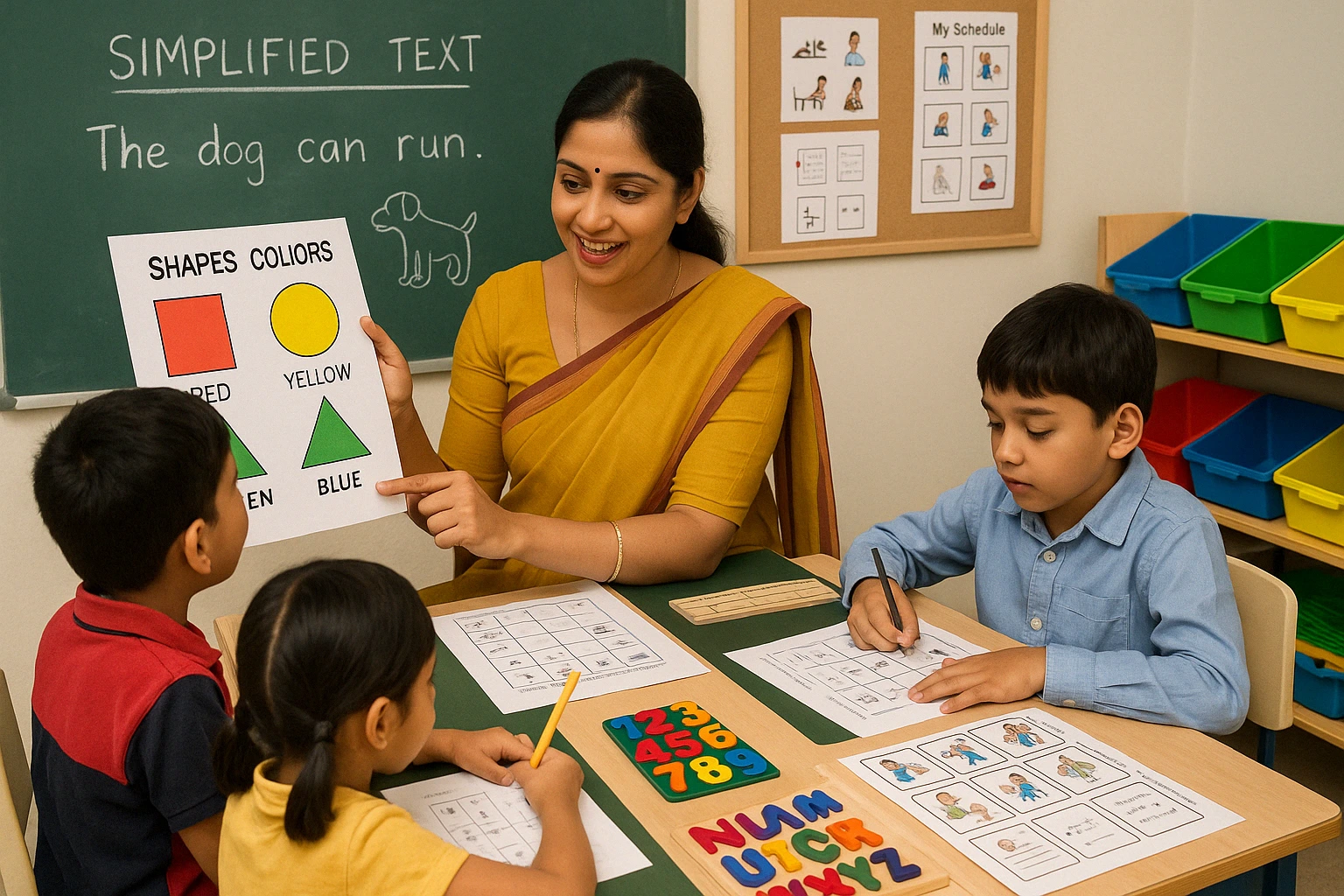
Effective inclusive teaching strategies are intentionally devised techniques that help children learn the context being taught as per their learning preferences. These strategies help foster a conducive learning space that ensures each child learns in a joyous manner without any stress of being labelled or ridiculed. A Special Education Needs Program trains aspirants to acquire essential skills and knowledge needed to ensure all children participate meaningfully in all mainstream classroom activities.
The important inclusive teaching techniques include:
- Being extremely lucid in your instructions and using simple language.
- Providing the child with alternative assessment methods.
- Promoting positive peer learning.
- Offering the child power-backed technology devices and software, helping them be completely engaged and interested.
- Using teaching methods appropriate for the child’s needs.
Teachers who undergo the needed training under the Special Education Needs Course can understand the exact learning barriers that are restricting the child’s progress. It helps them apply appropriate classroom modifications and routines that help the child get rid of their anxiety, and helps them be more focused and learn in a joyous manner.
Vidhyanidhi Education Society (Govt. Regd.) offers Special Education Needs Course programs that prepare teachers to handle inclusive classrooms with confidence and clarity. These strategies promote equality, reduce learning gaps, and support emotional well-being.
Inclusive teaching becomes more effective when teachers apply thoughtful approaches and proper training. With guidance from the Special Education Needs Course, teachers can create classrooms where every kid feels supported, respected and capable of achieving learning goals.
Join Vidhyanidhi Education Society’s SEN Course to shape futures as a Special Education Teacher!
For details of the SEN Course, Call / WhatsApp on +919321024137 / +919869866277.
To download the SEN Course brochure, Click Here!
FAQs
What are the Main Objectives of Special Education?
To meet individual learning needs, reduce barriers, build independence, and help students achieve academic, social, and emotional growth.
How can Teachers Promote Inclusion in the Classroom?
With the help of cooperative peer learning, appreciation of small wins, and behaviour regulation, teachers can promote inclusion in the classroom.
What are the three Teaching Strategies for Inclusive Education?
Strategic teaching methods, structured routines and modified classrooms are the three best teaching strategies for Inclusive Education.
Which is the Best Method to Teach with Special Needs?
The best method to teach with special needs is careful formulation of IEPs that is based on the child’s strengths and the maximum importance of their learning needs.
