



What are Learning Difficulties in Students?
What are Learning Difficulties in Students?
Learning Difficulties in Students are problems that some kids have in a normal classroom when they are trying to learn, process or remember things. Even if the child is smart and capable, these problems can make it hard for them to read, write, speak, listen or solve simple problems.
Learning Difficulties in Students may appear in different forms and at different stages of development, making early identification important. With the right support, guidance, and teaching methods, students can gradually improve their abilities and gain confidence in their learning journey.
Table of Content
Most Common Learning Difficulties Faced by Students in School?
Students in school may face different Types of Learning Difficulties that affect their academic progress and confidence. These challenges are not linked to intelligence but to how a child processes information. Some of the most common learning difficulties include:
Dyslexia
Affects reading and language processing. Students may struggle with spelling, word recognition, and reading fluency.
Dysgraphia
Impacts writing skills. Children may have poor fine motor skills due to which their finger muscles needed for writing aren’t developed, making it tedious for them to write or even organise their thoughts on paper.
Math disorder Dyscalculia
A child fails to make sense of numbers, concepts of sequencing and performing simple math operations.
Attention Deficit Issues (ADHD)
The most crucial skills of focusing, concentration and emotional regulation are hampered that impacts overall learning.
Auditory Processing Disorder
As the name suggests, the sound processing abilities of the child are impacted, due to which understanding instructions becomes a struggle.
Visual Processing Disorder
Deciphering visual information and understanding it is a struggle.
These Learning Difficulties can be different in severity and need early support. With the right teaching skills, patience and encouragement, kids can handle these difficulties effectively and perform better in school.
To download the brochure of the LD Course, Click Here!
For more details on the LD Course, Call / WhatsApp at +919321024137 / +919869866277
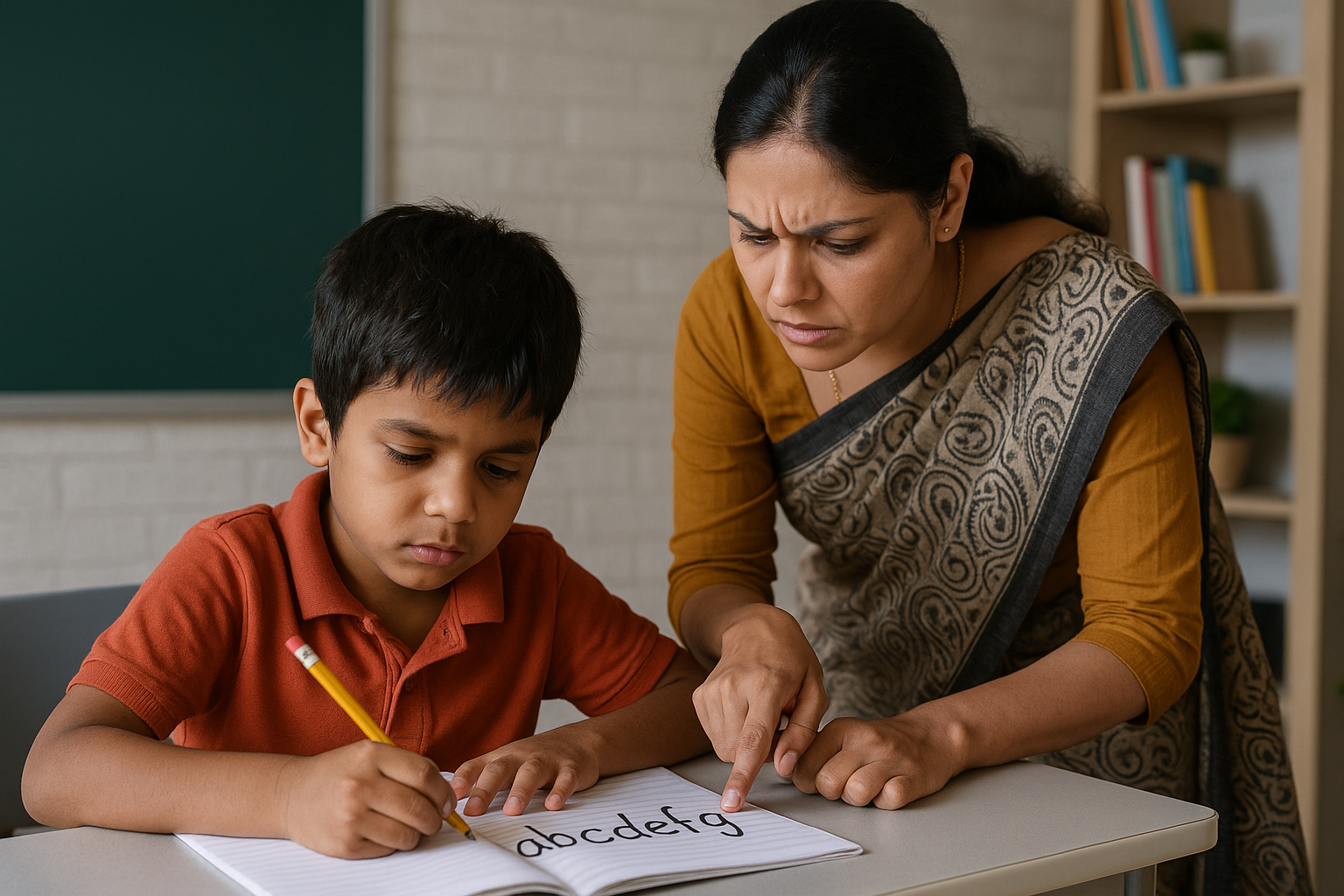
What are the Contributing Factors of Learning Difficulties?
Learning difficulties in students can arise due to a combination of biological, environmental, and psychological factors. These aspects have a major impact on the child’s prowess of understanding, processing and respond to information in a mainstream classroom, which limits their engagement in the classroom.
Some common contributing factors include:
Hereditary reasons
Genetic factors can be a prime reason for learning disorder, as it has been seen that a single case of learning difficulties can mean similar challenges in the same family.
Structural differences of the Brain
When the structure of the brain isn’t developed properly, there can be issues with reading, writing and memory, as these skills can be poorly developed.
Exposure to toxic substances
When the pregnant mother is exposed to harmful toxins during pregnancy, there can be chances of complications during birth affecting their cognitive development.
Stress
Undue stress and family issues can also impact the child’s growth during pregnancy, leading to erratic brain development contribute to learning struggles
Emotional Reasons
If the child is already facing issues of stress, anxiety and low self-esteem, it can be an added reason for them to concentrate efficiently.
Understanding these contributing factors helps educators and parents provide the right support and create a positive learning environment for students.
To download the brochure of the LD Course, Click Here!
For more details on the LD Course, Call / WhatsApp at +919321024137 / +919869866277
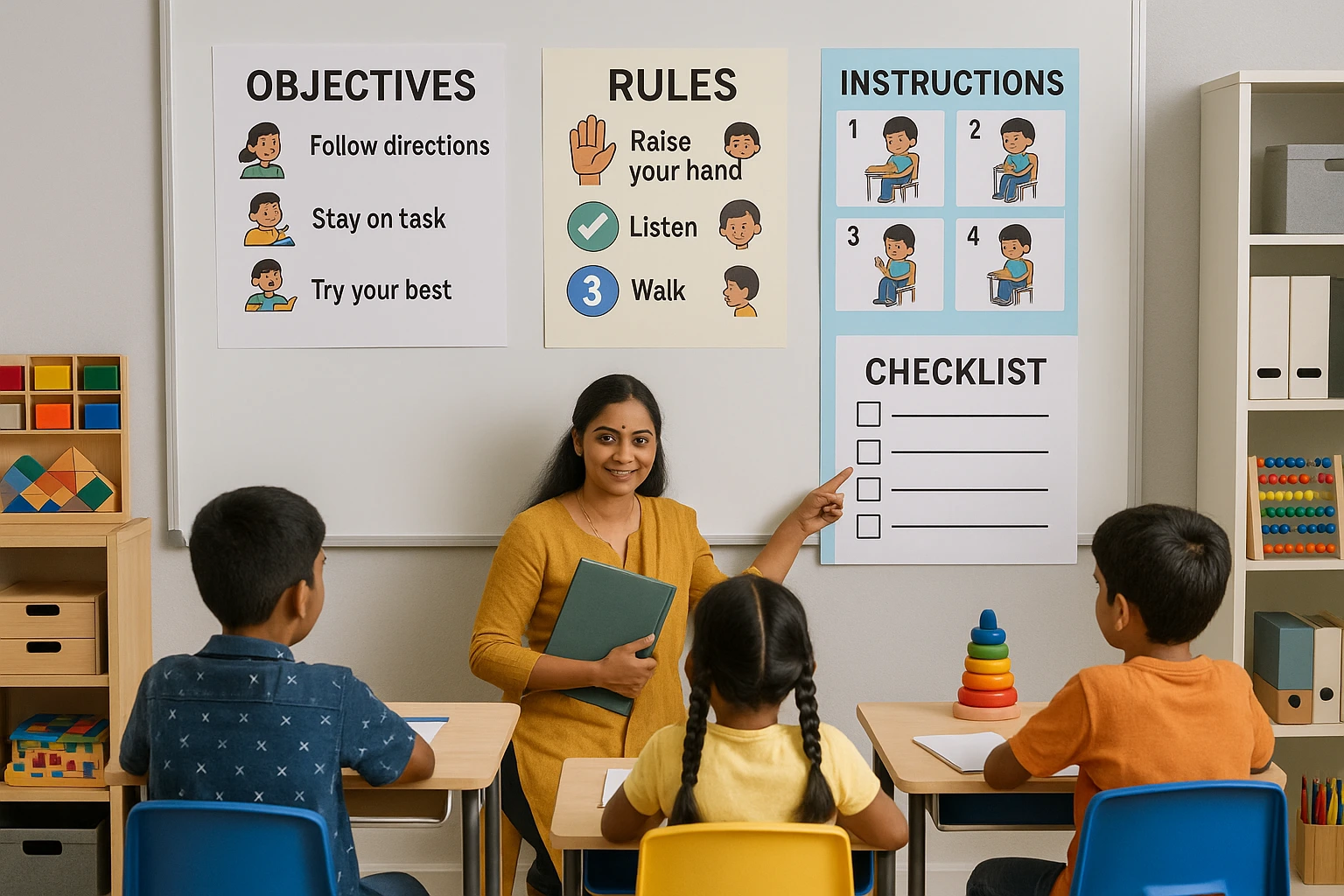
How to Identify These Learning Difficulties?
Recognising learning difficulties early can help a child get the right support and advance their educational performance. Parents and teachers play an important role in identifying a child who may be facing difficulties in learning.
Some effective ways to recognise these disorders are listed below:
Poor fluency in reading
Despite constant guidance and assistance, the child struggles with reading and writing, which hints at a possible learning difficulty.
Lack of focus
The child cannot focus for a considerable amount of time and therefore loses track of instructions, leading to unfinished assignments.
Memory retention
Forgetting topics that are just taught and remembering them for further purposes is a sign.
Following instructions
The child loses track of the instructions that are being given, due to which they cannot follow multi-step instructions in class.
Hesitating to do school tasks
Not being very happy about school tasks and displaying frustration when doing them.
Inconsistent Academic Performance
Performing well in some areas but struggling significantly in others.
Behavioural Issues
Poor morale, irritable behaviour and aggressive nature can be a key sign of learning challenges as well.
Regular assessments, classroom observations, and feedback from teachers can help in identifying these signs. Early recognition allows timely intervention, making it easier for students to overcome challenges and progress in their learning.
To download the brochure of the LD Course, Click Here!
For more details on the LD Course, Call / WhatsApp at +919321024137 / +919869866277

How to Overcome Learning Challenges?
Learning challenges have a strong impact not just on the academic excellence of the child, but also on his overall Personality development. Therefore, overcoming learning challenges needs detailed study of the child, learning about his strengths and weaknesses that will help devise suitable IEPs for the child that help to improve their overall learning journey, thereby helping them engage to their fullest in the mainstream classroom.
Timely recognition
When the signs of learning challenges are recognised early, it helps to initiate the intervention process that ensures attainment of their learning goals.
Specialised teaching strategies
Identifying each child’s strengths and accordingly adapting their teaching strategies to make learning a stress-free process for the child.
Multi-sensorial teaching methods
Use of visual teaching tools and innovative methods can help improve the child’s attention span.
Consistent reviews
Constant and continuous tracking of the child’s progress helps to adapt teaching methods for the child to attain their learning outcomes.
Recognising small wins
Appreciate the child’s small wins and acknowledge this amidst his peers for boosting his morale.
Professional Development for teachers
Vidhyanidhi Education Society (Govt. Regd.), an eminent teacher training institute, has initiated a top-notch Learning disability course that trains aspiring teachers with practical teaching strategies and effective teaching methods, enabling them to conduct their classrooms with diligence and efficiency.
Undergoing a Learning Disability courses can make a huge impact on the overall learning of children with special needs, ensuring they thrive academically and socially.
With the right approach and consistent effort, students can gradually overcome learning challenges and achieve academic success.
Empower special children with the right strategies! Join Vidhyanidhi Education Society’s (Govt. Regd.) LD Course today!
To download the brochure of the LD Course, Click Here!
For more details on the LD Course, Call / WhatsApp at +919321024137 / +919869866277
Learning Disability Courses
FAQs
What Causes Learning Difficulties?
A wide range of factors such as hereditary reasons, brain structure development, and exposure to toxins can lead to learning difficulties affecting their academic progress.
How Can Parents Help Students With Learning Difficulties?
Parents can be of great support to their children by reinforcing the strategies that are used at school and providing them with emotional guidance to attain their true potential.
Do Learning Difficulties Improve With Age?
The challenges caused by learning difficulties can certainly be lessened with the help of structured support and interventions devised by a professional, but they do not necessarily lessen.
What Are Signs Of Learning Difficulties?
Illegible handwriting, poor reading fluency and struggle with concentration can be a few signs of learning difficulties.
