



ADHD Symptoms Treatment for Kids
ADHD Symptoms Treatment for Kids
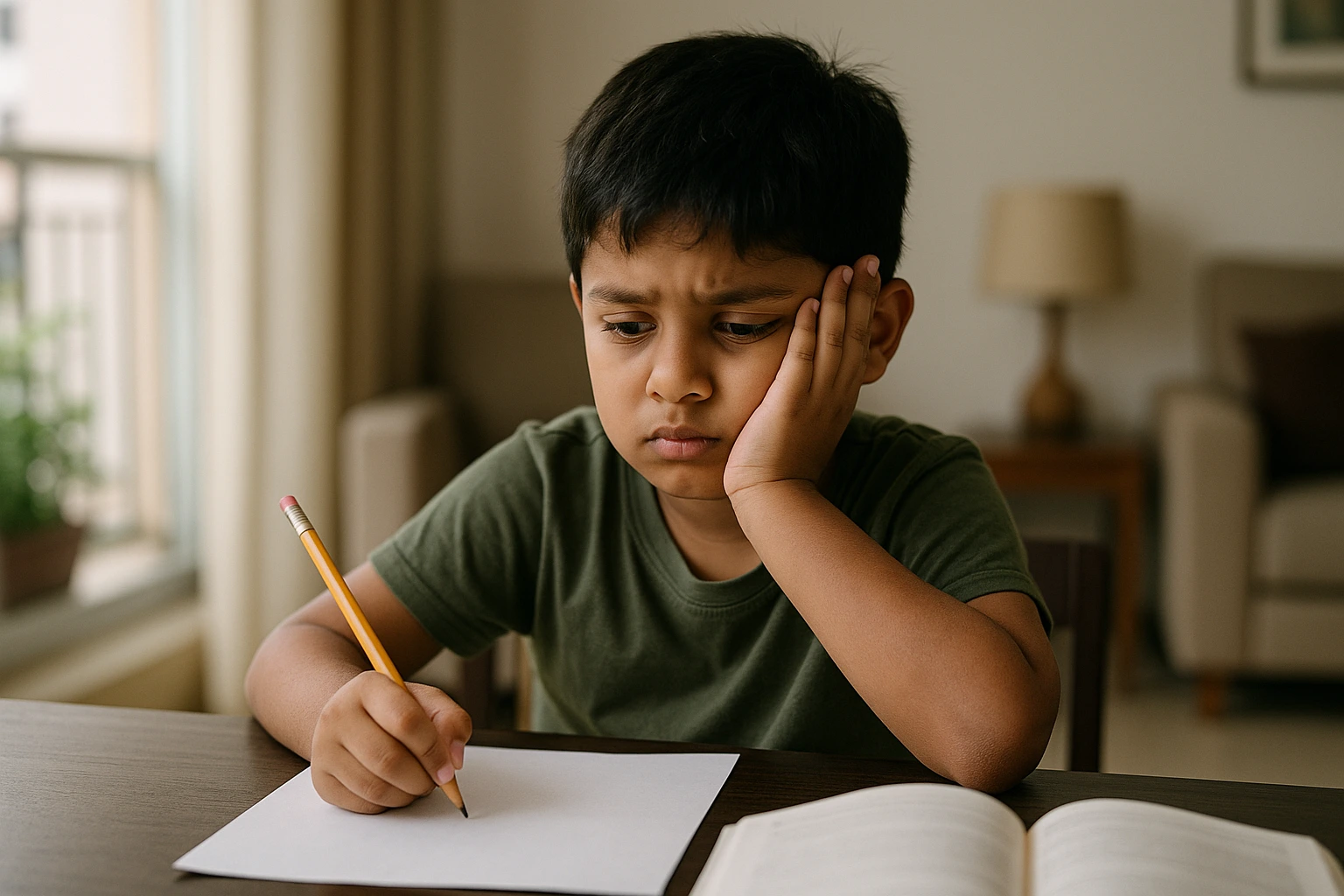
Kids with ADHD commonly experience trouble focusing, controlling their behaviour and managing their impulses, which may make it hard for them to study and do everyday things. Parents could see symptoms like being restless, having difficulties paying attention or not being able to follow directions. Even though these problems sometimes seem too big to handle, the good news is that there is help available.
Signs of ADHD: Therapies and organised techniques are used in treatment to help people focus better, develop good habits, and stop doing things that make them sad. With timely ADHD Symptoms Treatment, kids can develop stronger coping skills, gain confidence and succeed in both educational and social surroundings.
Table of Content
Symptoms of ADHD in Children
Attention Deficit Hyperactivity Disorder (ADHD) is a common neurodevelopmental condition that affects a child’s focus, behaviour, and impulse control. Identifying the symptoms early is important because timely support can improve educational and social development. Kids with ADHD often show patterns of inattention, hyperactivity and impulsivity, although not every kid shows all three.
To download the brochure of the SEN Course, Click Here!
Call or WhatsApp on +919321024137 / +919869546913, for details of the SEN Course!
Absentmindedness symptoms include:
- Inability to stay focused to complete school tasks.
- Constant loss of personal belongings such as stationery items.
- Cannot remain focused when instructions are being given.
- Hesitation to perform tasks that demand a lot of concentration.
Overactivity signs are as follows:
- Moving around in the classroom when the teacher is explaining any concept that needs attention.
- Distracting others by talking unnecessarily
- Disrupting the teacher by talking in between without any reason.
- Continuous fidgeting in a quiet learning space.
Injudicious signs include
- Uttering the answers before the question is completed
- Pushing others or being impatient in tasks that require waiting for one’s turn
- Running or moving around without observing the surroundings.
When these signs appear more vividly and if they impact on the overall functioning of the child with a direct impact on their progress, teachers and parents must immediately seek a professional opinion. A professional assessment will help parents and teachers to be well-equipped and organised to handle the challenges faced by children with ADHD, building their confidence and enabling them to lead independent lives.

Causes of ADHD in Children
ADHD in children doesn’t have a single cause that is 100 % the exact reason for it. ADHD can be caused due to multiple factors, hinting towards a combination of reasons such as genetic, biological, and environmental factors.
An important myth surrounding ADHD is that inadequate or improper parenting causes ADHD. One must know that ADHD is a neurological disorder that can be pre-natal or postnatal due to various reasons.
Knowing the exact reasons for ADHD will help find the exact areas of concern that need urgent intervention and help parents and educators offer the precise support.
The most familiar causes of ADHD have been listed below:
- Inheritances: It is often seen that there are higher chances of multiple cases of ADHD in a family, with siblings having higher chances of getting ADHD.
- Brain Structure and Function: Differences in brain regions that control attention and impulse regulation may contribute. Some children show less activity in areas responsible for focus
- Chemical Imbalance: Irregular levels of neurotransmitters like dopamine can affect attention and self-control.
- Premature Birth or Low Birth Weight: Children born prematurely or underweight may have a greater risk.
- Exposure during Pregnancy: Maternal smoking, alcohol use or certain toxins during pregnancy can increase the probability.
- Environmental Factors: Early exposure to lead, high stress, or poor nutrition may worsen symptoms.
Recognising these reasons can be highly beneficial in devising strategic interventions that directly impact the real areas of concern, helping students navigate their daily lives efficiently.
ADHD in Kids: Diagnosis
ADHD is a neurological condition that needs systematic and structured evaluation by concerned healthcare authorities. As most of the children will display traits of inattention and over-activeness often it must be ensured that these patterns are persistent and hamper the child’s learning skills and their overall progress to be sure that the child has ADHD.
A lot of analysis and information is taken from teachers and parents to determine whether the child actually has ADHD.
The phases in diagnosing ADHD are listed below:
- Medical Interrogates: Teachers and parents are questioned, and inputs are taken about the child’s behaviour patterns in school and at home.
- Standardised Behaviour questionnaires: Behaviour checklists are done to determine if the child’s actions are appropriate as per their age.
- Therapeutic Checkups: The child must undergo several medical tests where other conditions, such as hearing issues and vision loss, are ruled out
- Scrutiny: The child’s cognitive skills, his behaviour patterns and his concentration levels are evaluated by monitoring the child closely.
While the causes of ADHD in a child are not linked to one single factor, genetics play a strong role. For example, if a parent has ADHD, their child is more likely to develop it.
To download the brochure of the SEN Course, Click Here!
Call or WhatsApp on +919321024137 / +919869546913, for details of the SEN Course!

Source: stock.adobe
ADHD Symptoms Treatment for Kids
Kids with ADHD commonly experience trouble focusing, controlling their behaviour and managing their impulses, which may make it hard for them to study and do everyday things. When the child starts early years schooling, parents and teachers note that the child is showing strong signs of restlessness and inattention, which is distressing and is making the child aggressive in different settings.
Although parents find this situation quite overwhelming, there are suitable strategies that can lessen the struggles of children with ADHD.
Signs of ADHD Therapies and organised techniques are used in treatment to help people focus better, develop good habits and stop doing things that make them sad. Initiating the ADHD Symptoms Treatment at an early stage can help children develop better life skills, be self-confident and gradually function with minimal assistance in both educational and social surroundings.
Treating Attention Deficit Hyperactivity Disorder (ADHD) in children involves a mix of therapies, support strategies, and in some cases, medication. The primary objective of the ADHD Symptoms Treatment is to make the child comfortable in their learning and social environment, helping them remain focused and enabling them to develop positive behaviours.
Treatment is mostly customised to suit the child’s learning needs and focuses on their strengths that are utilised to make learning a stress-free process.
Common ADHD Symptoms Treatment for kids include:
- Behavioral Therapy: Helps children learn self-control, follow routines, and manage impulsive actions. For example, reward-based systems can inspire completing homework or chores.
- Parent Training: Prepares parents with strategies to handle challenging behaviours and provide reliable support.
- School Support: Teachers may offer special learning approaches, like breaking tasks into smaller steps.
- Medicines: In cases where the severity of ADHD is high, leading to difficult situations, the child is prescribed certain medicines by authorised personnel to help them remain calm and reduce their overactivity.
- Routine changes: The child must follow a healthy lifestyle, such as a balanced diet, adequate physical movement that helps the child to burn his excess energy and improves concentration.
While the Learning Difficulty in a kid can be different, genetics is a strong factor. For example, a kid with a parent diagnosed with ADHD is more likely to develop the disorder. Early treatment makes sure kids gain skills to succeed educationally and socially.
Discipline and ADHD in Kids
Discipline plays a key role in shaping positive behaviour for children with Attention Deficit Hyperactivity Disorder (ADHD). Traditional methods of punishment are often less effective, as kids with ADHD struggle with impulse control and focus. Instead, structured, consistent, and encouraging approaches work best to guide them toward better choices.
Effective discipline strategies include:
- Clear Expectations: State rules in simple words and repeat them if needed. For example, “Finish homework before screen time.”
- Consistency: Stick to routines so children know what to expect.
- Positive Reinforcement: Reward desired behaviour with praise or small incentives, such as extra playtime.
- Time-Outs: Use short breaks to help the child calm down and reflect.
- Modelling Behaviour: Show patience and self-control, as children often imitate adults.
The issue in a child is usually linked to genetics and brain development. For instance, if a parent has ADHD, the child has a higher chance of experiencing it. Environmental factors like prenatal exposure to smoking or alcohol can also contribute. Understanding these causes helps parents apply discipline strategies with empathy and patience.
To download the brochure of the SEN Course, Click Here!
Call or WhatsApp on +919321024137 / +919869546913, for details of the SEN Course!
Kids ADHD Prognosis
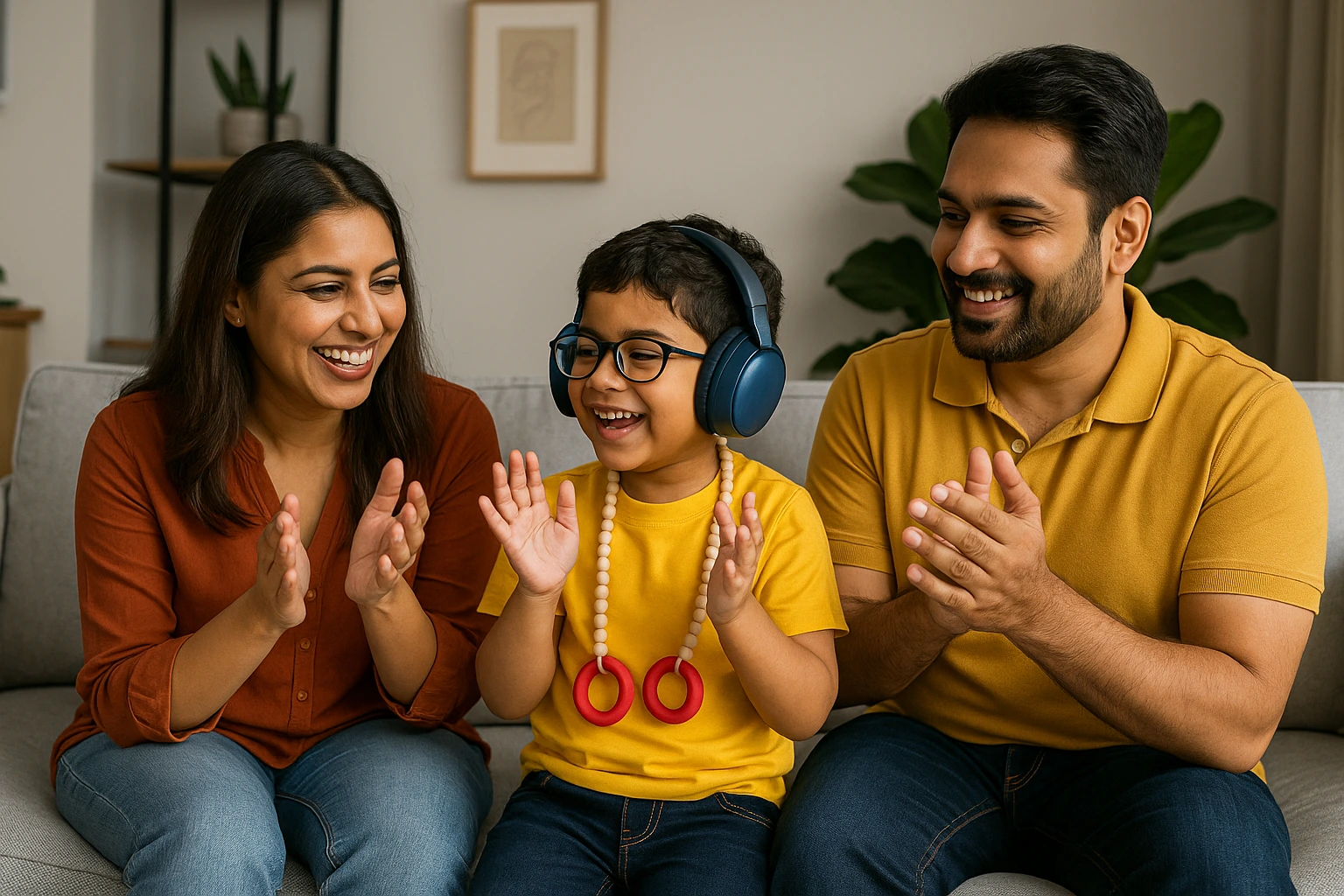
The future of children with Attention Deficit Hyperactivity Disorder looks optimistic when effective learning strategies and precise interventions are included in the IEPs of the child. When the child is provided with various techniques to learn in a joyous manner and handle their challenges efficiently, they build a high self-morale that develops into confident learners with Special Education Needs Course is one who can take on their life challenges positively and yield spot-on learning outcomes.
Attributes that impact prognosis include:
- Timely support: When the struggles of children are noted early, the interventions can kickstart early, which helps children attain their learning goals and develop social interaction skills.
- Contribution of the Parents: When the parents practise consistent scheduling with the child, it helps them remain calmer and develop their coping skills.
- School Support: Teachers using tailored strategies can improve academic performance and social adjustment.
- Lifestyle Habits: Adequate sleep, a balanced diet, and regular physical activity help reduce hyperactivity.
ADHD is often seen to run in families, which means that if a parent has ADHD, their child has a higher chance of developing it. Being exposed to harmful toxins and consuming alcohol during the prenatal period can increase the chances of ADHD.
ADHD individuals find it very difficult to handle their daily activities without assistance, so parents and teachers must be well-versed and properly coached that enable them to train children to learn in a manner that aligns with their learning preferences. Vidhyanidhi Education Society, a pioneer teacher training institute, has launched a top-notch Special Education Needs Course that has transformed how aspiring teachers can make a huge difference in the learning of children with special needs, ensuring that every child is trained well to be an important aspect of a regular classroom.
Transform young lives, join Vidhyanidhi’s SEN Course, and make a real impact!
To download the brochure of the SEN Course, Click Here!
Call or WhatsApp on +919321024137 / +919869546913, for details of the SEN Course!
FAQs
Can ADHD Live a Normal Life?
ADHD individuals can lead normal lives thanks to the support they receive in the form of therapies, strategies and techniques helping them strive academically and socially.
Can ADHD go away without Medication?
ADHD doesn’t fully disappear, but therapy, lifestyle changes, and courses like Vidhyanidhi Education Society’s SEN program help manage it well.
