


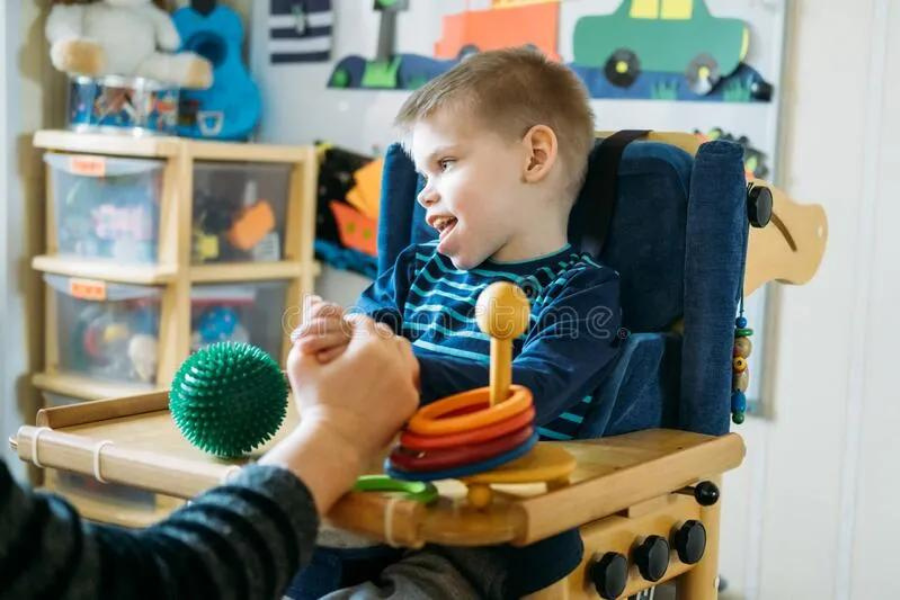
Autism Special Ed Needs, checklist for Children between 6-12
Source: adobe
Autism Special Ed Needs, checklist for Children between 6-12
Children aged 6 to 12 undergo significant Ccognitive and Social Transformations. It’s really important to figure out what their developmental and educational requirements are at this point, particularly for kids with autism. A concise Autism Special Ed checklist may assist parents and teachers watch for behaviors, ways of communicating, learning styles and social interactions more closely.
It helps people figure out what type of help a kid could require at school and in their everyday life. An Autism Special Ed checklist also makes it easy to keep track of progress and come up with good ways to teach. With the correct support structure, kids with autism may gain confidence, develop their abilities and be more involved in learning in the classroom and in daily life.
Table of Content
Health and Medical Care, and Related Therapeutic Interventions
Kids with autism often require regular health monitoring and supportive therapies to help them manage daily challenges. A structured checklist helps parents, teachers, and caregivers ensure that the child receives consistent medical care and the right therapeutic support. Understanding these needs also helps adults respond quickly to health concerns and developmental changes. Special Education Needs Course offered by Vidhyanidhi Education Society (Govt. Regd.) help educators understand these requirements and support children more effectively.
Health and Medical Care Checklist
Regular health checks help kids stay healthy and support their learning and everyday activities. A simple list may help parents and teachers keep track of key health requirements.
Regular visits to a pediatrician or other doctor for check-ups
- Tests of vision and hearing to find any problems with the senses
- For healthy development, you need to eat and drink enough.
- Keeping an eye on sleep habits to make sure you get enough rest
- Keeping track of prescriptions and looking for probable adverse effects
- Looking for allergies or problems with digestion
- Keeping school and caregiver medical records up to date
Consistent health care assistance keeps kids active, comfortable, and ready for school and social activities.
For details of the SEN Course, Call or WhatsApp on +919321024137 / +919869546913.
To download the brochure for the SEN Course, Click here!
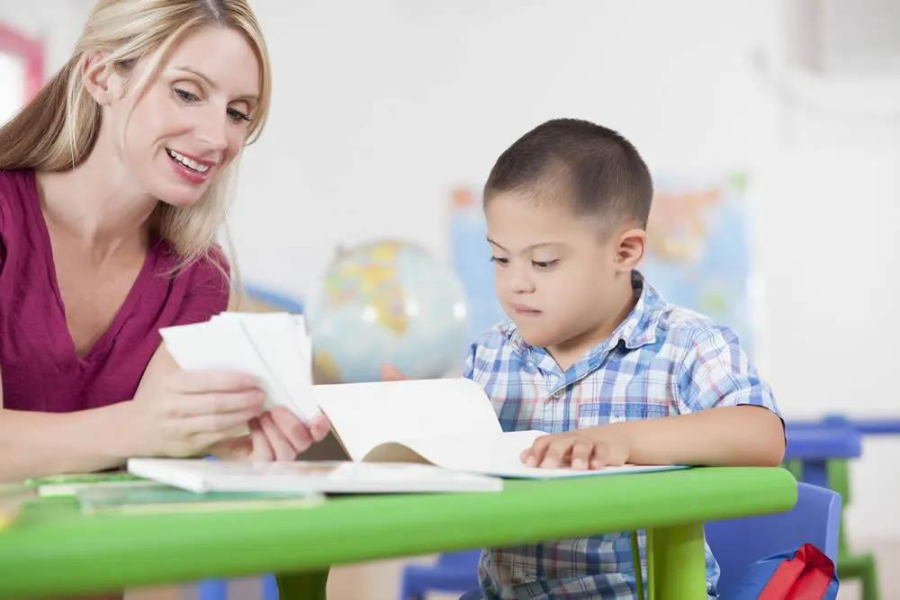
Source: arcusmedicentre
Assistive Technology
Assistive Technology can really help children with special needs, such as autism, learn better. These tools support students with communication, learning, and everyday tasks. For example, apps like Proloquo2Go help children communicate using pictures and symbols if they find speaking difficult. Tools like JABtalk, Cardtalk, LetMeTalk-(Android/iOS) help them follow daily routines with visual schedules. When used well, assistive technology makes learning easier, helps students become more independent, and allows them to take part in school activities.
These are some common examples of helpful technology:
- Communication devices are tools such as tablets or electronic gadgets that help children express what they want and need.
- Visual plans are digital or written materials that help kids understand what they need to do each day and in school.
- Educational apps are programs that help you learn how to read, write, and do math.
- Text-to-speech tools are pieces of technology that read written text out loud to kids who are having trouble reading.
- Sensitive support tools include headphones that block out noise or apps that help kids deal with their sensitive needs.
Teachers who take Special Education Needs Course from the Vidhyanidhi Education Society (Govt. Regd.) learn how to choose and use helpful technology in the classroom in a useful way. When kids use these tools correctly, they can help them talk to each other better, feel more confident, and be more involved in their learning.
For details of the SEN Course, Call or WhatsApp on +919321024137 / +919869546913.
To download the brochure for the SEN Course, Click here!

Source: alliant
Education
Education is highly crucial for helping kids with Special Needs, learn and flourish. Kids behave better in school, communicate to other kids, and make friends when the learning space is well-organized. Parents and teachers need to work together to develop methods for the child to learn, that work for them.
Some significant features of education for kids with special needs are:
- Learning tactics that are tailored to the child’s strengths and limitations
- Teaching in small groups helps kids focus and learn better.
- Using visual aids and hands-on activities to help individuals learn and comprehend better.
- Regular assessments and feedback to keep track of how well you’re doing in school
- Encouragement of social interaction via group activities and participation in class
Teachers who enrol for Special Education Needs Course from the Vidhyanidhi Education Society (Govt. Regd.) learn how to teach in a manner that includes everyone and how to aid pupils in the classroom. Teachers may help students with special needs feel better about themselves, do better in school, and be more involved in school life by providing them the necessary training.
For details of the SEN Course, Call or WhatsApp on +919321024137 / +919869546913.
To download the brochure for the SEN Course, Click here!
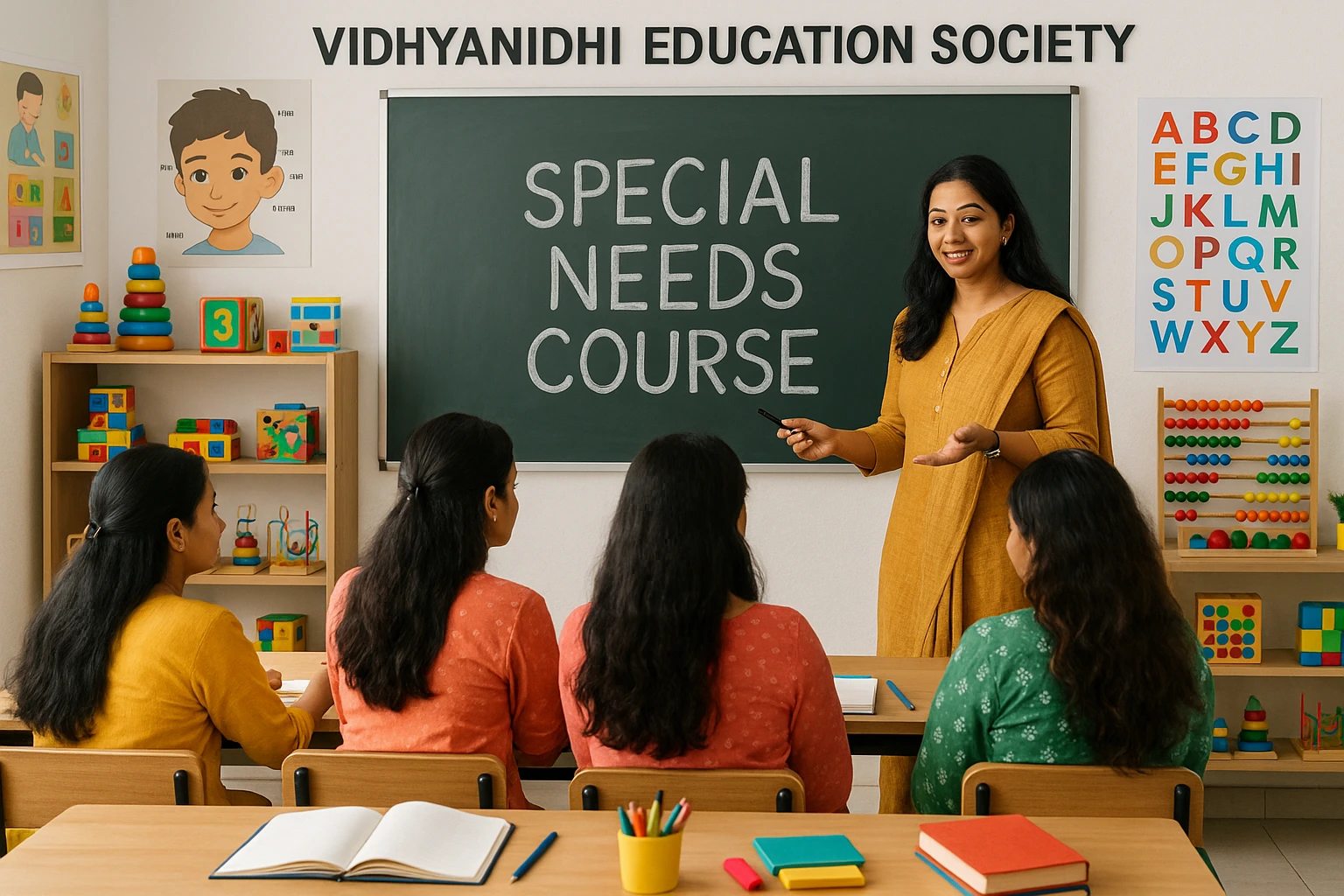
Social and relationships
Social interaction and relationship building are important part of a child’s development. Kids with special educational needs, including Autism, may require extra support to understand social cues, build friendships and communicate comfortably with others. Structured guidance from parents and teachers helps children develop confidence and positive social behavior.
- Encouraging peer interaction through group activities and classroom games
- Teaching basic social skills such as greeting others, sharing, and taking turns
- Using role-play activities to practice every day social situations
- Helping children understand emotions and recognize feelings in others
- Providing structured play opportunities that support cooperation and teamwork
- Guiding children in conflict resolution and respectful communication
Educators who complete Special Education Society courses offered by Vidhyanidhi Education Society (Govt. Regd.) gain useful knowledge about supporting social development in children with special needs.
For details of the SEN Course, Call or WhatsApp on +919321024137 / +919869546913.
To download the brochure for the SEN Course, Click here!
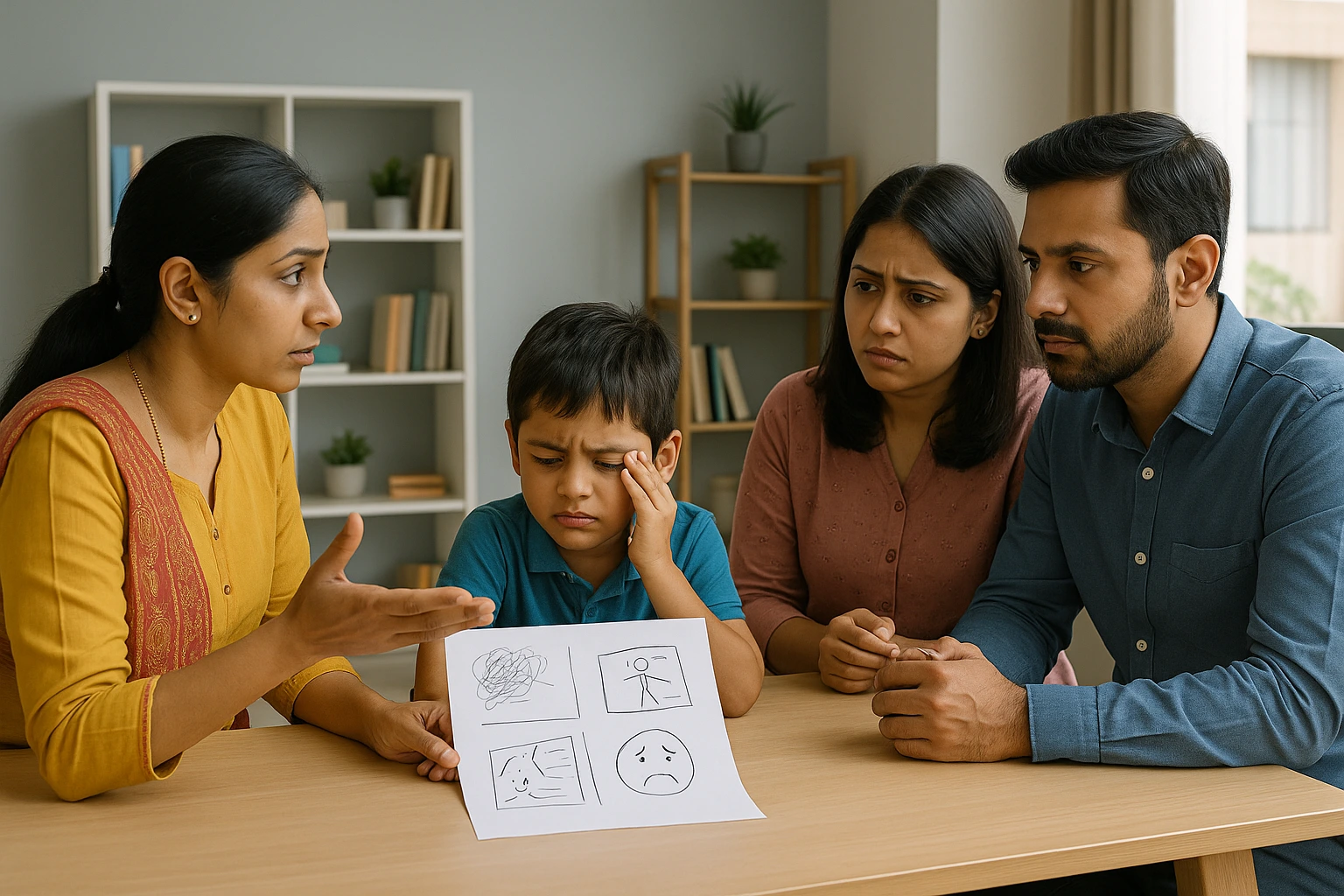
Safety
Social interaction is an important part of a child’s emotional and behavioral development. Children with Autism may need structured support to understand social rules and build meaningful relationships with peers and adults.
Key areas that support social and relationship development include:
- Encouraging interaction with peers through group activities and cooperative games.
- Teaching basic social behaviours such as greeting, sharing, and taking turns.
- Using role-play to practice every-day social situations.
- Helping kids recognize their own emotions and understand how others feel is key.
- Also, fostering teamwork during both schoolwork and play is important.
Consistent guidance from parents and teachers helps children improve communication skills, build friendships and feel more comfortable in social environments.
For details of the SEN Course, Call or WhatsApp on +919321024137 / +919869546913.
To download the brochure for the SEN Course, Click here!
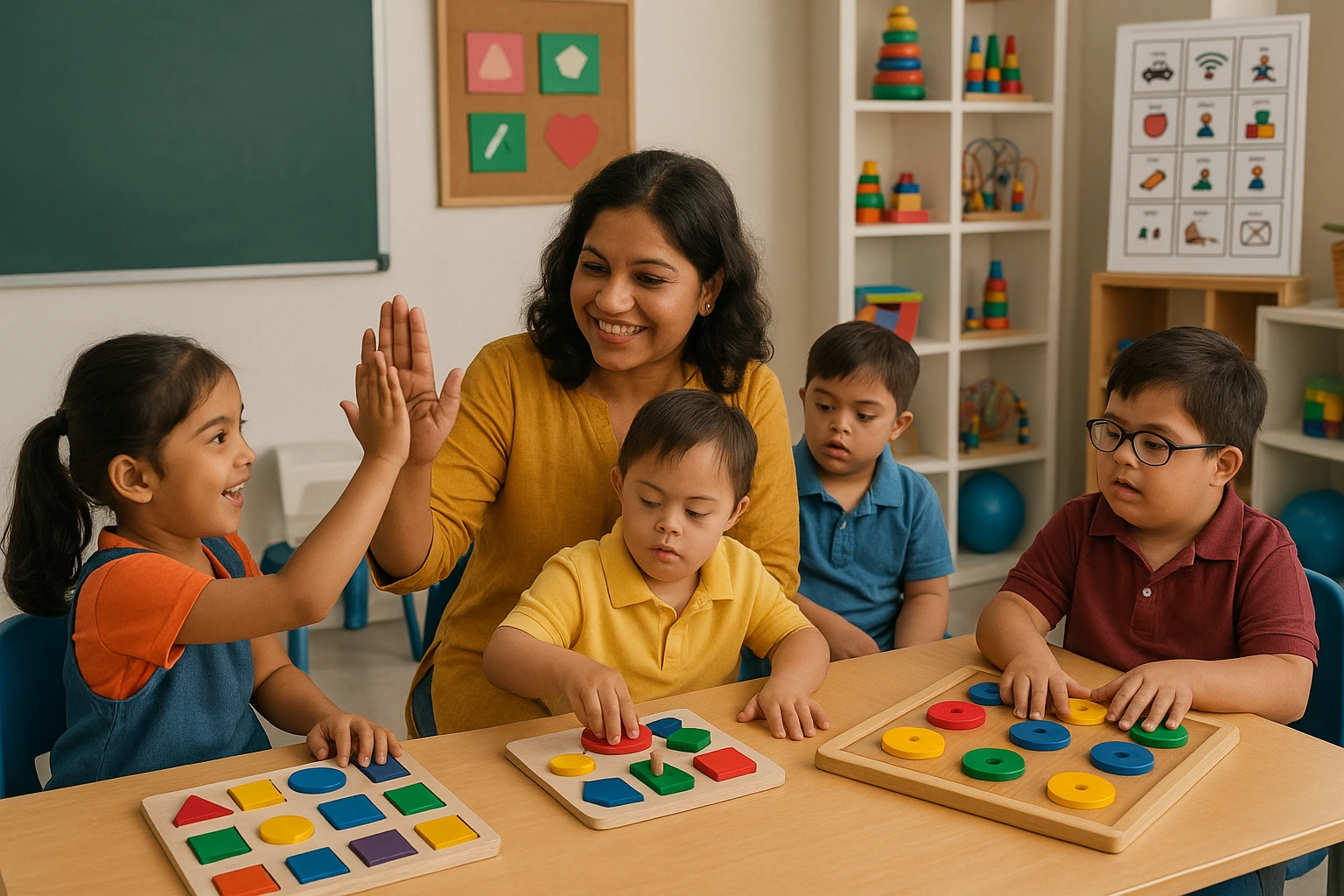
Support: Support Groups and Respite
Families with autistic kids often perform better when they have strong support systems. Support groups and respite programs assist parents keep up with their responsibilities while making sure their child receives the care and attention they need.
Important support options include:
- Parent support groups where families talk about their problems, give each other advice, and exchange ways to deal with them.
- Community support networks that help people with both emotional and practical issues.
- Respite care services that let caregivers take brief breaks while trained experts take care of the kid.
- Workshops and initiatives that raise awareness that assist families learn more about autism.
These support systems help reduce stress, strengthen family well-being, and ensure consistent care for children.
For details of the SEN Course, Call or WhatsApp on +919321024137 / +919869546913.
To download the brochure for the SEN Course, Click here!
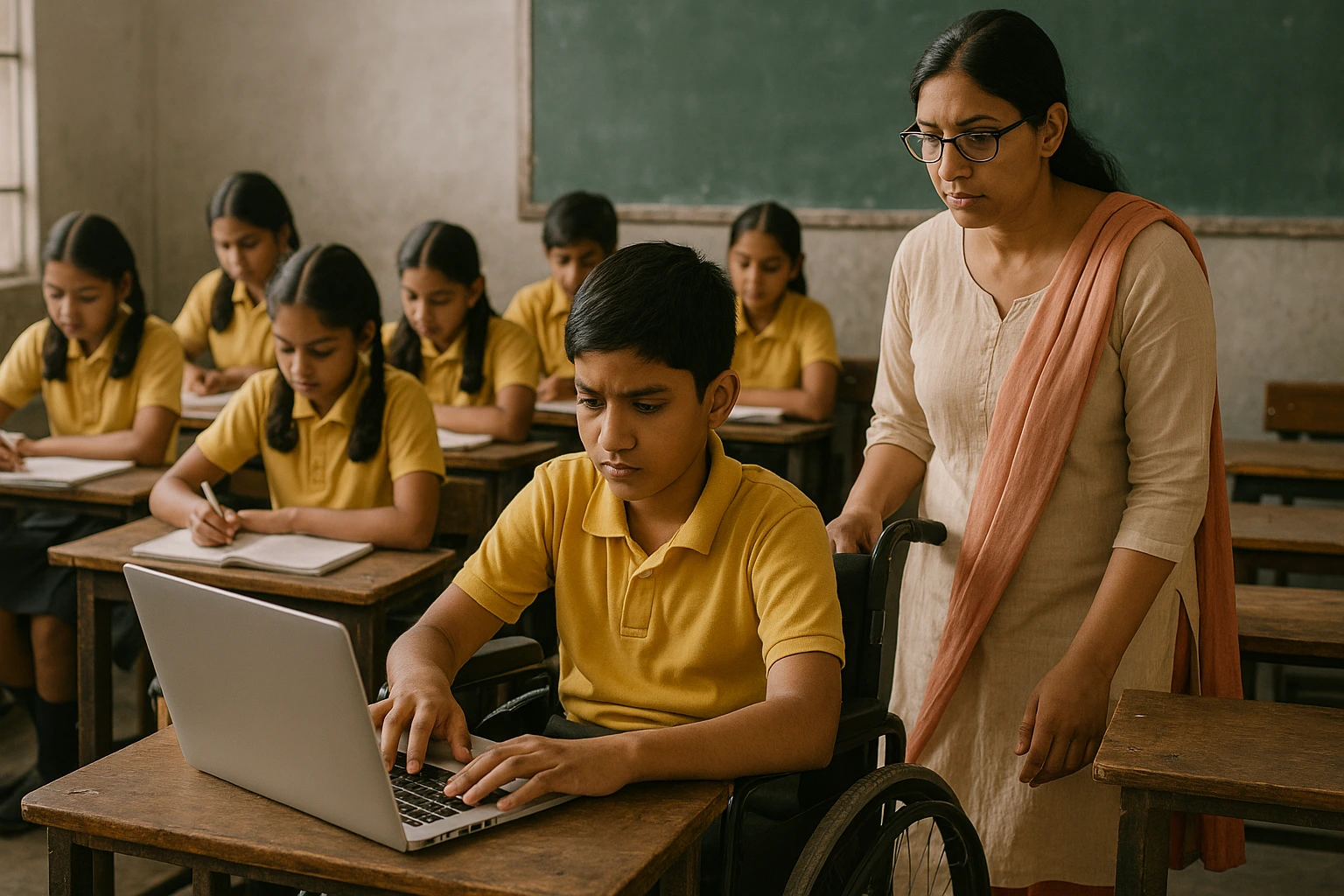
Advocacy and Self-Advocacy
Advocacy means making sure that kids with disabilities have the same balances in school and in life as other kids. It means standing up for the child’s rights, making sure they receive the care they need and making sure that everyone has the same chance to learn.
You may also show your kids how to stand up for themselves and what they believe in when they become older. The Vidhyanidhi Education Society’s (Govt. Regd.) Special Education Needs course helps parents and teachers better recognize these demands and teach kids better.
Here are some important things:
- Parents and instructors should know what rights the kid has in school.
- Making sure that students can get the right help with their learning and make changes to the classroom
- Helping kids say what they want and need
- Teaching kids how to ask for aid when they need it
- Giving students the confidence to take part in school choices
Teaching kids how to advocate for themselves and others helps them feel appreciated, supported, and sure of themselves in varied situations.
Build skills to support children better—join SEN course at Vidhyanidhi today.
For details of the SEN Course, Call or WhatsApp on +919321024137 / +919869546913.
To download the brochure for the SEN Course, Click here!
Autism Special Ed
FAQ’s
What are common challenges for Autistic Kids?
Kids with autism may have trouble talking to other people, picking up on social signs, dealing with sensory sensitivities, adjusting to new situations, and expressing their feelings properly.
What is the biggest cause of Autism?
Genetic and developmental factors that alter brain development are the major causes of autism. It is not caused by the way parents raise their children or by immunizations.
What do Autistic people struggle with the most?
A lot of people with autism have trouble with social communication, recognizing emotions, processing sensory information, and getting used to new routines.
What Are Positive Things About Autism?
People with autism often have strong memory skills, keen attention to detail, creativity, honesty, and deep interest in specific topics. Teachers may assist these qualities by getting training from the Vidhyanidhi Education Society.
