




What are English Phonetics?
Source: homepages
What are English Phonetics?
The study of English Phonetics looks at how sounds are made, sent and heard in English. It focuses on how to say words, how to speak, and the sounds that make English different from other languages. Understanding English Phonetics helps learners improve their speaking and listening skills by recognizing how each sound is formed and used. It also connects written words to their spoken forms, which makes communication simpler and more efficient.
Table of Content
What is the Difference between Phonetics and Phonology?
Phonetics and Phonology are two areas of linguistics that are quite similar, yet they look at separate parts of speech sounds. If you know the difference between them, you may be able to speak and comprehend the language better.
This is what phonetics and phonology are different from each other:
Phonetics is the study of how speech sounds are made and heard. It looks at how the mouth makes sounds, the ear hears them, and symbols stand for them.
For example, the sound /p/ in “pen” and “spin” is looked at in terms of how air flows and how it is made.
Phonology studies how sounds in a language are organized in a systematic and abstract way. It looks at how sounds work in a language to create meaning.
Example: The difference between /p/ and /b/ in “pat” and “bat” changes the meaning of the word, which is a phonological contrast.
Phonetics explains how sounds are produced, while phonology explains how those sounds are used and patterned within a language. Both together form the foundation of effective speech and pronunciation training.
For downloading the brochure of Phonics Course, Click Here!
Call or Whatsapp on +918104606573 / +919869546913, for the details of Phonics Course!

Source: freepik
How many Consonants are in English Phonetics?
In English phonetics, there are 24 consonant sounds that form the building blocks of spoken English. These sounds are produced when the airflow from the lungs is partially or completely blocked by the tongue, lips, or teeth. Each consonant has its own position and way of being said, which helps make sentences clear and meaningful.
There are 24 consonant sounds in English phonetics, such as:
- Plosives (6): /p/, /b/, /t/, /d/, /k/, and /g/
- Fricatives (9): /f/, /v/, /θ/, /ð/, /s/, /z/, /ʃ/, /ʒ/, /h/
- Affricates: /tʃ/ and /dʒ/
- Nasals (3): /m/, /n/, /ŋ/
- Approximants (3): /r/, /j/, and /w/
- Lateral Approximant (1): /l/
These consonant sounds are important for correct pronunciation and assist English phonetics students recognize the difference between words that sound alike.
For downloading the brochure of Phonics Course, Click Here!
Call or Whatsapp on +918104606573 / +919869546913, for the details of Phonics Course!

Source: letterland
How many Vowels are there in Phonetics?
In English phonetics, there are 20 vowel sounds used in spoken communication. These sounds are produced when the airflow passes freely through the mouth without any major blockage. In India, English learners often find vowel pronunciation challenging because the number of vowel sounds in Indian languages is fewer than in English.
The 20 vowel sounds in phonetics are divided into two main types:
Monophthongs (12 single vowel sounds):
| Sound | Common Letter(s) | Example |
| /iː/ | ee, ea, ie, ei | see, team, field |
| /ɪ/ | i, y | sit, gym |
| /e/ | e, ea | pen, bread |
| /æ/ | a | cat |
| /ɑː/ | ar, a, al | car, father, calm |
| /ɒ/ | o | hot |
| /ɔː/ | aw, au, or, oor | saw, author, born |
| /ʊ/ | u, oo | put, foot |
| /uː/ | oo, u, ue, ew | moon, tube, blue |
| /ʌ/ | u, o | sun, come |
| /ɜː/ | ir, ur, er | bird, turn, her |
| /ə/ (schwa) | a, er, or, ar | about, teacher, doctor |
Diphthongs (8 double vowel sounds):
| Sound | Common Letter(s) | Example |
| /eɪ/ | a, ai, ay, eigh | name, rain, day |
| /aɪ/ | i, y, igh | time, fly, night |
| /ɔɪ/ | oi, oy | coin, boy |
| /aʊ/ | ou, ow | house, cow |
| /əʊ/ | o, oa, ow | go, boat, snow |
| /ɪə/ | ear, eer, ere | near, deer, here |
| /eə/ | air, are, ear | hair, care, bear |
| /ʊə/ | oor, our, uor (rare) | tour, poor (varies by accent) |
These vowel sounds play a key role in English phonetics, helping speakers pronounce words clearly and understand subtle differences in accent and meaning.
For downloading the brochure of Phonics Course, Click Here!
Call or Whatsapp on +918104606573 / +919869546913, for the details of Phonics Course!

Source : cdnparenting
How to Learn Phonetics Easily?
Learning phonetics can be simple and effective with the right techniques and consistent practice. Phonetics helps improve pronunciation, listening skills, and overall fluency in English.
Here are some simple methods to learn phonetics:
Learn the IPA (International Phonetic Alphabet) and the letters that stand for English sounds. This helps you find out how to utter each word.
Listen and Repeat
To become better at saying words properly, listen to native speakers and say what they say.
Pay attention to how your mouth moves
Watch how your lips, tongue, and jaw move while you make various sounds.
Use audio and video tools
Online phonetic charts and pronunciation applications may help you see and hear each sound.
Record and Compare
Record your speech and then compare it to conventional pronunciations to find out where you need to improve.
Practice every day. Short, consistent sessions are better than lengthy, sporadic ones.
By doing these things, students may quickly acquire English phonetics and speak more clearly and confidently.
For downloading the brochure of Phonics Course, Click Here!
Call or Whatsapp on +918104606573 / +919869546913, for the details of Phonics Course!
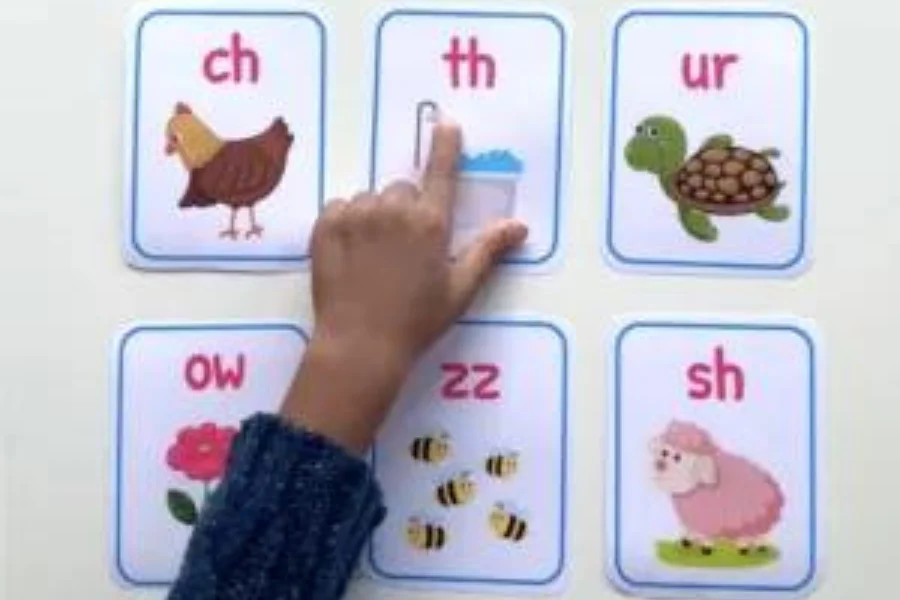
Source: wordunited
How to Teach Phonetics in English Step by Step?
When kids study English phonetics, it’s important for them to learn how to form sounds and pronounce words clearly. With the correct methods, teachers can turn phonetic practice into something both engaging and genuinely useful for kids. The Vidhyanidhi Education Society and other groups provide a Phonics Teacher Training Course that teaches teachers these crucial skills.
Here’s a step-by-step guide to teaching phonetics in English:
Step 1: Give the Sounds of English a try.
Start by using phonetic symbols to show how vowel and consonant sounds work. To help students recognize each sound, use charts and pictures.
Step 2: Teach the relationship between letters and sounds:
Teach kids how letters and sound combined. This gives you a solid base for reading and speaking.
Step 3: Show how your mouth and tongue move.
Teach students how to move their mouths and tongues to make each sound. Visual aids make things more accurate.
Step 4: Practice by talking and listening.
To help students remember what they’ve learned, do word games, rhymes, and drills. Listening exercises help students tell the difference between sounds that are similar.
Step 5: Start with phonetic transcription
Use phonetic symbols to help students learn how to read and write words. This helps them say new words the right way.
Step 6: Use phonetics when you read and write.
Tell your students to use what they know about phonetics when they read and write every day. This real-world use of what they’ve learned helps them remember it and gives them more faith in their ability to use the language well.
Step 7: Continuous Evaluation and Feedback
Provide constructive feedback and regular assessments to track improvement.
Teachers who take the phonics training course from Vidhyanidhi Education Society learn how to teach pronunciation in a skilled way. This phonics teacher training course shows teachers how to help their students speak clearly and with confidence.
Boost young readers’ skills—join Vidhyanidhi’s Phonics Course today!
For downloading the brochure of Phonics Course, Click Here!
Call or Whatsapp on +918104606573 / +919869546913, for the details of Phonics Course!
FAQs
Why is it called Phonetics?
The word "phonetics" comes from the Greek word "phōnē," which meaning "sound" or "voice." It has to do with how sounds are formed and spoken.
What is the importance of Phonetics in English?
Phonetics makes it easier to read, listen, and talk. Schools like the Vidhyanidhi Education Society teach these important things.
