


A Guide to IEP Individualised Education Plan

A Guide to IEP Individualised Education Plan
IEP (Individualised Education Plan is a formal and legal document that lays down a fixed plan of how the child’s academic journey is planned for the year. It highlights the different teaching pedagogies and methods that will be implemented to help children with special needs attain the learning and social goals listed for them in the IEP.
An IEP (Individualised Education Plan is thoughtfully curated by an adept team of skilled professionals in collaboration with parents, teachers, special educators and therapists, where the child’s key strengths are taken into consideration to help them learn in a manner that aligns with their learning styles to help students reach their full potential.
Table of Content
What is an IEP?
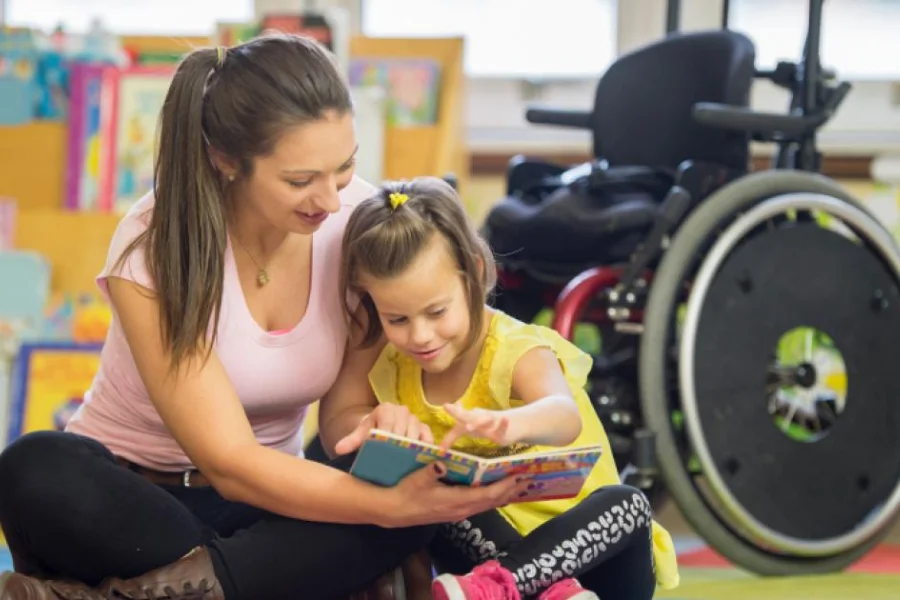
An Individualised Education Plan (IEP) is a structured, written document created for students with special needs to ensure they receive appropriate educational support. In India, teachers, special educators, therapists, school officials, and parents all work together to make an IEP. It spells out specific learning goals and the kind of help a child needs to make academic and social growth.
An IEP typically includes:
- Practical and attainable goals for the child
- Clear educational and functional goals for the kid
- List of various therapy services that will be provided for the child
- Classroom modifications and curriculum adaptation
- Duties and job roles of teachers and parents.
The IEP is a roadmap that is formulated for a year. It ensures that the learning needs of every child are given due importance and that the teaching methods suit the child’s learning preferences. With structured guidance and periodic review, the IEP helps to support the child’s overall development, which covers all the domains.
To download the brochure of the Diploma in SEN, Click Here!
For more details of Diploma in SEN, Call / WhatsApp on +919321024137 / +919869866277
Source: istockphoto
Why have an IEP?
An Individualised Education Program (IEP) is a valuable tool for Children with Special Needs who need additional academic aid and personal guidance to engage completely in a mainstream classroom. An IEP lays down a proper pathway for teachers and parents to follow to support the child’s overall holistic progress.
What makes IEP so important:
- Helps to establish realistic and attainable learning and behavioural goals.
- Offers targeted instruction
- Provides every child with a customised teaching method
- Ensures that the child is offered proper classroom accommodations.
- Promotes positive alliances between school and family
- Periodic assessments for tracking progress
- Ensure that the legal implications and benefits of various acts are followed.
An IEP is the only tool that helps special children become an important aspect of the mainstream classroom, making them confident to take on the challenges and build great futures for themselves.
What are the Stages of Developing an IEP?
An Individualised Education Program (IEP) follows a structured process to ensure a child receives appropriate support. Each stage is essential for accurate planning and effective implementation.
Important Steps of the IEP procedure:
- Recognition: Symptoms are identified by teachers, parents or doctors that hint towards a learning disability for which a formal diagnosis is recommended.
- Reviewing: A formal diagnosis and assessment are conducted to find out about the specific learning disability.
- Determining if the eligibility applies: Professionals determine if the child is eligible for special education services.
- IEP Meeting: There is a joint meeting between the school administration, teachers and parents to chalk out a proper plan for the IEP
- Formulating the IEP: The document is devised carefully based on the child’s performance, his key strengths, and accordingly, goals are laid down.
- Implementation: The IEP is put into practise.
- Tracking: The IEP outcomes are reviewed periodically
The stages of Developing an IEP make sure that decisions are data-driven, collaborative and focused on the kid’s growth. Each step supports structured planning and ongoing improvement.
To download the brochure of the Diploma in SEN, Click Here!
For more details of Diploma in SEN, Call / WhatsApp on +919321024137 / +919869866277

What’s the Referral and Evaluation Process?
The referral and evaluation process ensures that students with significant academic or behavioural challenges receive appropriate support under Special Education guidelines. It follows clear steps and legal timelines.
Key Stages of the Process
- Request for formal diagnosis: When a formal request is made for evaluation of the child to determine the current levels of performance.
- Parental consent: A consent letter is obtained from the parents to ensure that the child can be assessed and data can be collected for further evaluation.
- Reviewing: Assessments are conducted in various areas of suspected disability, such as academic, psychological, behavioral and health domains.
Key Timelines & Rights
- The process is typically completed within 60–65 days.
- Parents are active team members and receive reports in advance.
- Evaluations are conducted at no cost to families.
The referral and evaluation process ensures fairness, transparency, and structured decision-making focused on the student’s educational needs.
Who Develops the IEP?
An Individualised Education Program (IEP) is a joint effort led by the Special educator, and inputs are taken primarily from parents and teachers to gain knowledge of crucial aspects about the child to determine their academic, social, and developmental needs. The IEP formulation is a judicious process that incorporates essential legal policies, ensuring that the child’s interests are taken care of.
Members of the IEP Team
Class Teacher:
The Class teacher of the child keenly observes the child and provides information about their general behaviour pattern and classroom performance.
Parents:
Parents share essential details about the child, including their behaviour pattern and emotional regulation at home.
Special Educator:
Keeping in mind the inputs given by the parents and class teacher, the special educator devises targeted instruction and intervention techniques.
School Admin Representative:
Someone from the admin dept of the school who is responsible for allocating the needed resources for the child.
Assessment expert:
An Evaluation Specialist who periodically reviews the child’s results.
The Student (when appropriate):
In cases where the child is of appropriate age to contribute productively to the IEP.
Every team member has a crucial role to play in the development of the IEP
To download the brochure of the Diploma in SEN, Click Here!
For more details of Diploma in SEN, Call / WhatsApp on +919321024137 / +919869866277
Source: istockphoto
What is an IEP Development Process?
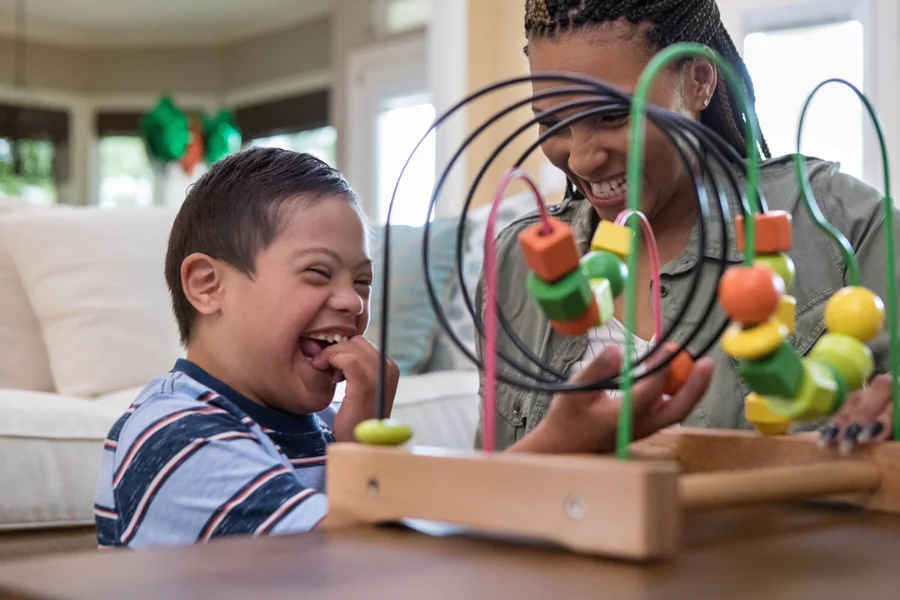
The IEP development process is a structured and methodical process that involves a joint team effort between teachers, special educators, parents and therapists. When trainees undergo a systematic Special Education Needs Course, they know the procedure of IEP in-depth and ensure that children gain education in the correct preferred manner.
Main steps in IEP development are listed below:
- Evaluating the Data: The IEP team reviews the data it has collected to identify the strengths and learning gaps.
- Current performance: The current performance of the child is measured.
- Establishing goals: Yearly goals are defined based on their needs.
- Listing services and interventions: Any special services that the child needs are mentioned, and ensured that they receive them.
- Parent Participation: Parents are encouraged to participate in decision-making
- Approval: The IEP is written formally, and steps are taken to implement it
The IEP development process is a wholesome process that comprises dedicated efforts, solid teamwork and accountability. Vidhyanidhi Education Society (Govt. Regd.), a renowned teacher training institute, has launched a top-notch Special Education Needs program that equips trainees with valuable strategies and therapies that can make a huge positive impact on the learning outcomes of children with special needs.
Join Vidhyanidhi Education Society’s (Govt. Regd.) Diploma in SEN and make a difference today!
To download the brochure of the Diploma in SEN, Click Here!
For more details of Diploma in SEN, Call / WhatsApp on +919321024137 / +919869866277
FAQs
How Often Is An IEP Reviewed?
An IEP is reviewed at least once a year, but meetings can be held earlier if progress concerns or changes in needs arise.
Does An IEP Move With My Child?
Yes, an IEP transfers when a child changes schools within the same state, ensuring continued services without delay.
Can An IEP Be Changed During The School Year?
Yes, the IEP can be revised anytime through a team meeting if goals, services, or supports need adjustment.
How Are Goals Measured?
Goals are measured through assessments, observations, and progress reports. Training from Vidhyanidhi Education Society helps educators track outcomes effectively.

[…] Meaning: Individualised Education Program was developed to help children with specific learning difficulties. It is a formal plan written by […]