



What is Non-Verbal Learning Disorder?
What is Non-Verbal Learning Disorder?
Non-Verbal Learning Disorder is a condition caused by irregular functioning of the brain area responsible for processing visual-spatial information. This neurological disbalancing of the brain-specific area influences the visual processing of an individual, making it difficult to understand hand signals, facial expressions, math concepts, maps, and directions. The Signs of NVLD are often identified in early childhood with poor social connections, motor coordination, and a lack of organization. Such children are often excellent in vocabulary and verbal skills.
Structured support and guidance from parents, teachers, and caregivers ensures a significant improvement in nonverbal learning disability. Educators interested in supporting children with specific learning needs can enroll in the Learning Disability Course and acquire deeper knowledge of causes, signs, and coping measures.
Table of Content
The Five Areas of NVLD
Non-Verbal Learning Disorder (NVLD) affects several areas related to visual processing, social understanding, and organization. These difficulties may appear in schoolwork, communication, and everyday tasks.
The five key areas of NVLD help explain the common challenges experienced by individuals with this condition.
Visual-Spatial Awareness
Students with NVLD face difficulties in the visual interpretation of information, such as copying text from the board, understanding hand actions, maps, structures, and math concepts. Activities involving using intellectual abilities like puzzles, building blocks, and group discussion, can be overwhelming for NVLD students.
Higher-Order Comprehension
Children with NVLD have excellent reading and verbal skills, but they fail to understand the deeper meaning of text. They find it difficult to connect with the main idea of a concept related to any topic, which also affects their problem-solving abilities.
Disorganization of the task
NVLD impacts the daily managing ability of individuals. They frequently miss schedules, perform poorly at planning, and find it challenging to organize staff.
Arithmetic Problems
Math concepts become difficult for students with NVLD; their visual inability makes geometrical patterns, maps, and tables challenging for them to understand. Even a simple word problem becomes jumbled up to solve.
Social misunderstanding
Since individuals with NVLD cannot catch up with facial gestures, tone of voice, and body language, they often misinterpret conversations and fail to hold social connections.
The Learning Disability Course, teachers, parents, and caregivers deeply understand the areas of non-verbal learning disabilities and acquire expertise in providing the right support to such students.
For more details on the LD Course, Call / WhatsApp at +919321024137 / +919869866277
To download the Brochure of the LD Course, Click Here!
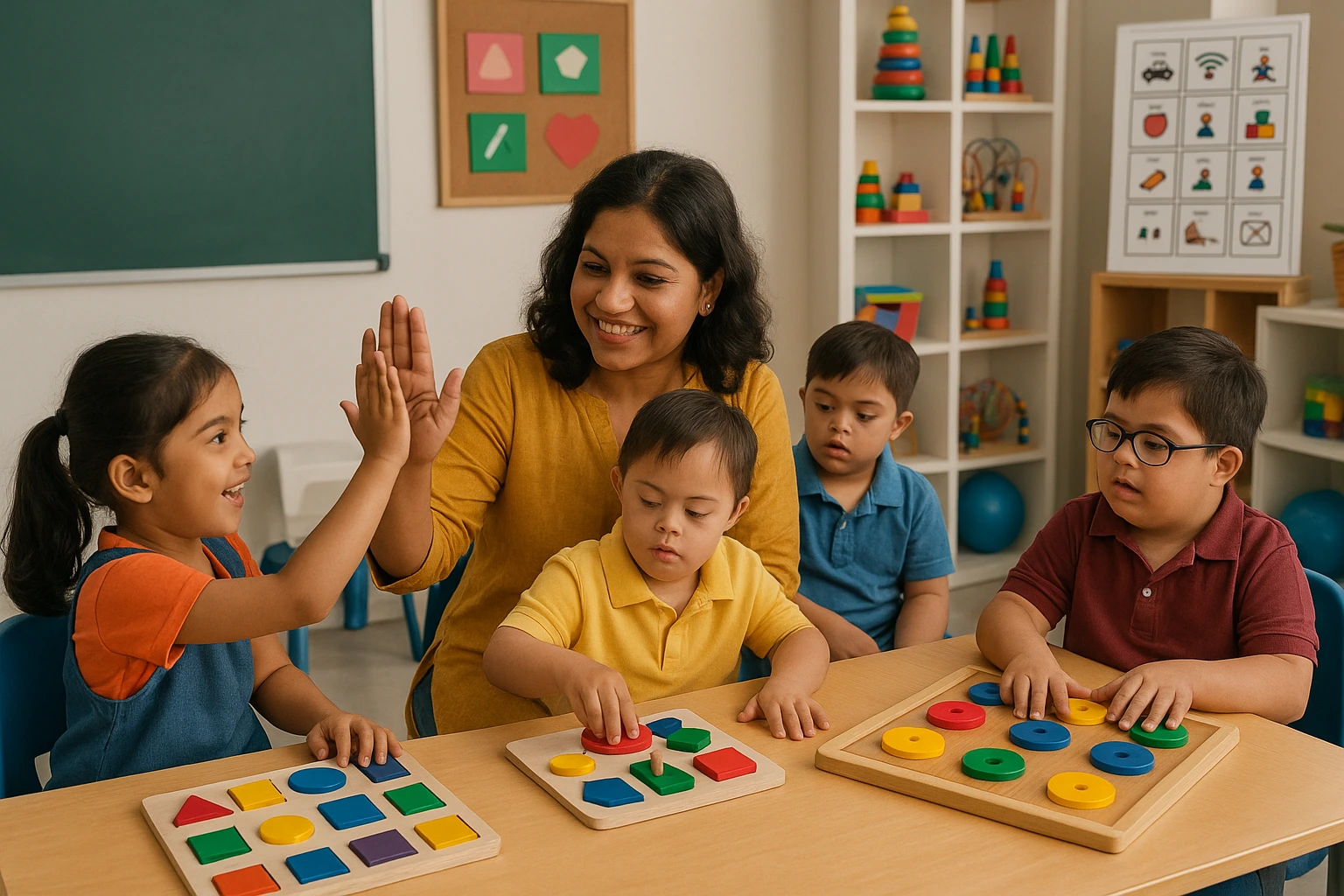
What Causes a Non-Verbal Learning Disability?
The exact cause is unknown, but research studies have shown that non-verbal learning disability is mainly linked to neurological dysfunction that affects the ability to process visual information.
Disruption in Brain functioning:
The area of the brain responsible for processing visual-spatial information is seen in function in an interrupted manner, which impacts the understanding of facial expression, abstract patterns, and body language.
Genetic Factors
NVLD can run in families as well, which can be seen in the history of any family member with such a condition. Genetic factors are passed on to the next generation and affect the brain development of a child.
Brain Injury
In rare cases, NVLD might develop due to an injury sustained in Early Childhood or any medical condition that has damaged the area of the brain processing visual information.
Slow Neurological Development
When the brain fails to grow and develop at a regular rate, especially in the areas associated with visual-spatial understanding, the NVLD condition is seen to develop, affecting the coordination and problem-solving abilities.
Understanding the causes through learning disability courses equips educators with the right knowledge and researched modern supportive techniques to improve the condition of such students in classroom settings.
For more details on the LD Course, Call / WhatsApp at +919321024137 / +919869866277
To download the Brochure of the LD Course, Click Here!
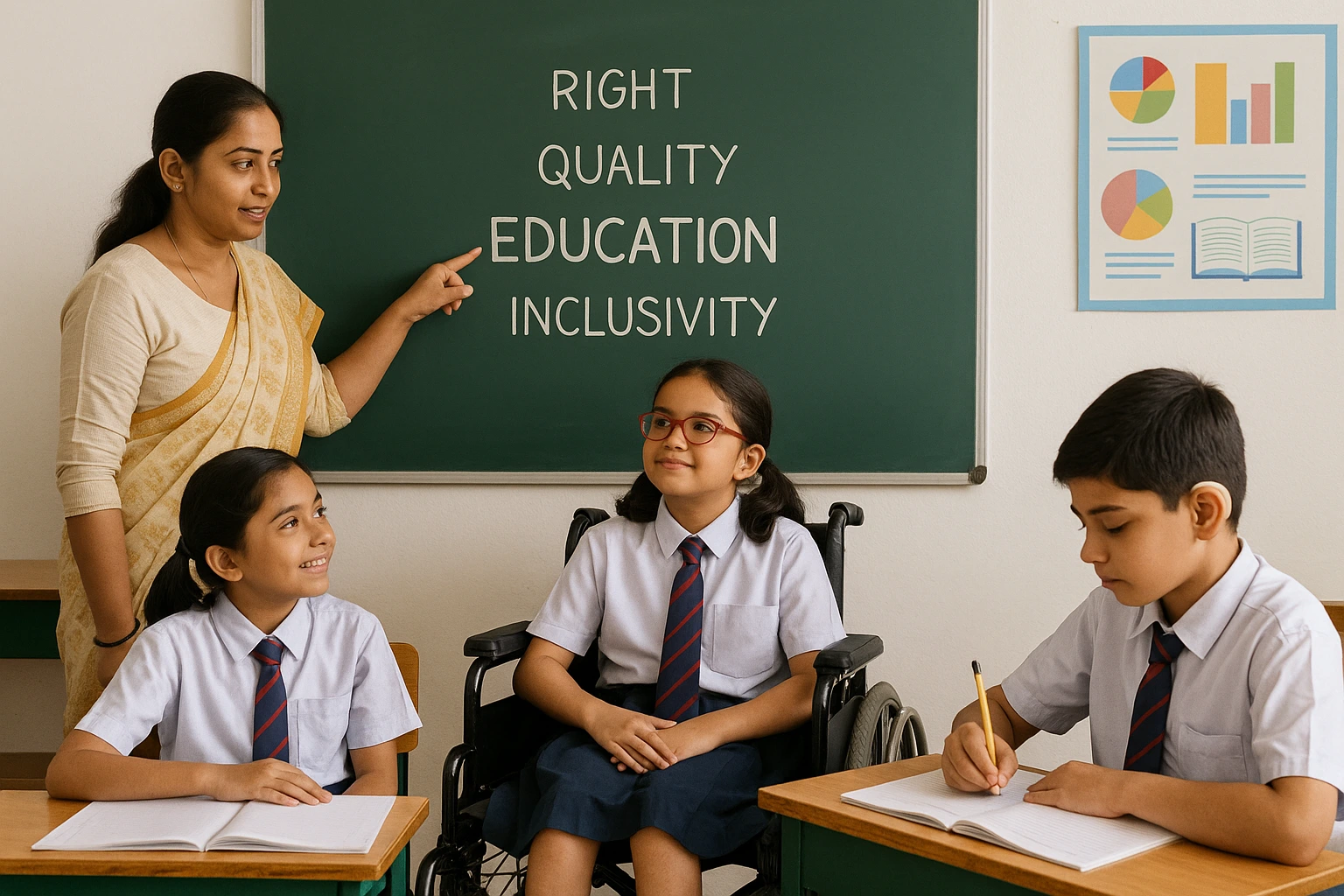
Signs of a Non-Verbal Learning Disability in children
Individuals with NVLD show different signs depending on each child’s learning style. Challenges in understanding social cues, visual information, and organizing tasks are some of the common signs.
Poor hand coordination
Individuals with Non-Verbal Learning Disability often have motor coordination challenges, which affects their handwriting, and develop difficulty in holding scissors.
Social challenges
Unable to understand facial expressions, changes in tone of voice, and body language.
Visual difficulties
With NVLD, individuals find difficulty in understanding directions, math concepts, and building blocks.
Lack of management
Students often get stuck in following multi-step instructions, which may feel overwhelming. Schoolwork may appear messy or disorganized.
Inability to practically understand information
Children with NVLD will be good at verbal skills, but they fail to understand the depth or main idea of a conversation. They find it challenging to practically learn a lesson or understand its meaning.
Having a keen eye on these signs from the early stage of development will help to intervene with suitable counselling and supportive measures. Taking a program on learning disabilities provides a clear picture of various signs and methods to guide children.
For more details on the LD Course, Call / WhatsApp at +919321024137 / +919869866277
To download the Brochure of the LD Course, Click Here!

How Non-Verbal Learning Disability can be overcome?
Non-Verbal Learning Disability is not a serious condition, but it affects the areas of visual interpretation, spatial understanding, and social communication. The trained educators’ support and active parents’ involvement, the condition can be improved immensely.
Educational support
Providing the right academic guidance is crucial for students. Educators can break activities into smaller ones, avoiding visual tools that are difficult to understand, and using simple lesson explanations.
Counselling
Children with this condition develop anxiety, low self-esteem, and depression. A regular counselling session can reduce these challenges and develop self-worth.
Occupational therapy
For students lacking in Motor Coordination Skills, occupational therapy should be provided, in which they practice activities focused on increasing fine and gross motor skills, hand coordination, and organization.
Strengths, other skills
Individuals with NVLD are seen as good at other skills like listening, memory, focus, and attention. Working on the stronger areas and utilizing them in daily routine activities can reduce the existence of NVLD.
Gaining professional training with a trusted institute ensures that the educator is qualified enough to support children with special needs and offer inclusive learning experiences. Enrolling in Vidhyanidhi Education Society (government-registered) will equip participants with advanced and researched techniques that help students overcome learning disabilities, develop confidence, and become successful individuals.
Break barriers in Education! Join Vidhyanidhi Education Society’s LD Course today!
For more details on the LD Course, Call / WhatsApp at +919321024137 / +919869866277
To download the Brochure of the LD Course, Click Here!
FAQs
Can nonverbal learning disorder be cured?
NVLD can improve over time, but cannot be completely cured. With early support, guidance, and encouragement, children can improve their skills.
What are people with NVLD good at?
People with NVLD are good at focusing and paying attention, have strong memory, and have good concentration.
Can a child be nonverbal forever?
With early intervention and support, one can subdue the condition to a great extent.
Can you outgrow NVLD?
Not necessarily, it is more likely to continue till adulthood. But with proper support and guidance, the NVLD is seen to improve immensely.
