


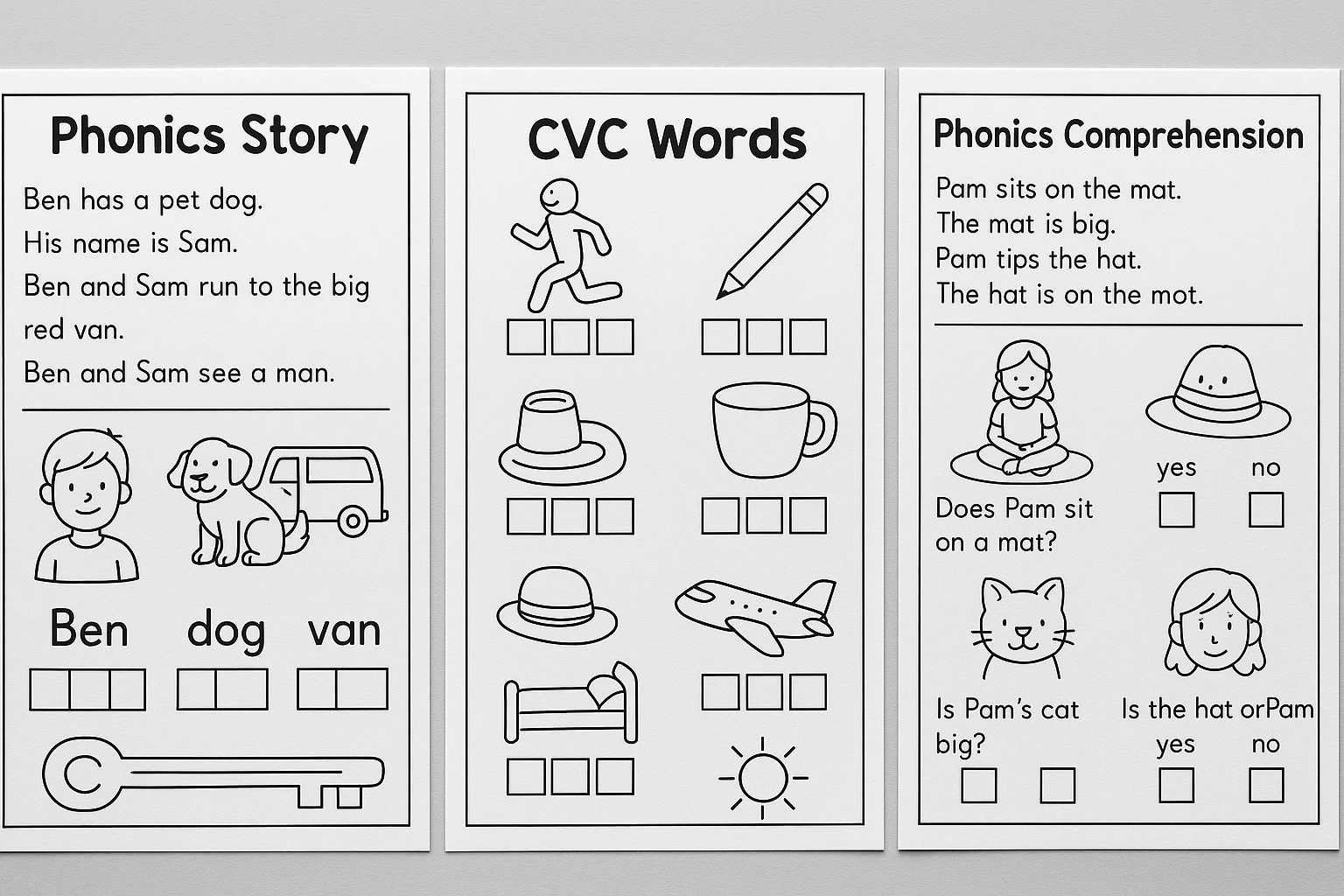
Read with Phonics Activities for Pre-schoolers
Read with Phonics Activities for Pre-schoolers
Read with Phonics supports kids to identify sounds with letters in a simple and fun way. At the preschool stage, reading skills becomes more stronger when the child learns while having fun and interactive activities.
Read with Phonics Activities for Pre-schoolers helps young learners to identify sounds and blend words together, building reading confidence. Children begin to acquire language in a natural way through techniques such as picture matching, rhymes and sound games and enjoy the experience of learning to read.
Table of Content
Hands on Phonics Activities for Pre-schoolers
Hands-on Read with Phonics Activities help Pre-Schoolers understand letter sounds through touch, movement, and play. These Hands on Phonics Activities for Pre-schoolers engage children rather than just listening or repeating, making learning more meaningful.
Learning words can be fun and useful with these simple, useful Read with Phonics ideas:
Letter Tracing – Sand or Flour
Kids trace the alphabet with their fingertips, which helps them relate the form of the letter to its sound.
Sound Sorting Games
Use of Read with Phonics flash card or objects and ask kids to group them based on beginning sounds, like /b/ for ball or bat.
Alphabet Craft Activities
Using clay, paper or sticks for creating letters helps kids remember letter forms and sounds.
Phonics Hopscotch
Draw letters on the floor and ask the kids to jump to the letters when a sound is called out.
Magnetic Letter Play
To strengthen sound blending skills, let kids arrange the letters on the board to form simple words.
Children who consistently practice Learning Phonics find it easier and more enjoyable to learn. “This helps to develop fine motor skills, better memory and early reading with confidence.”
For downloading the brochure of Phonics Training Course, Click Here!
Call or Whatsapp on +918104606573 / +919869866277, for details of Phonics Training Course!
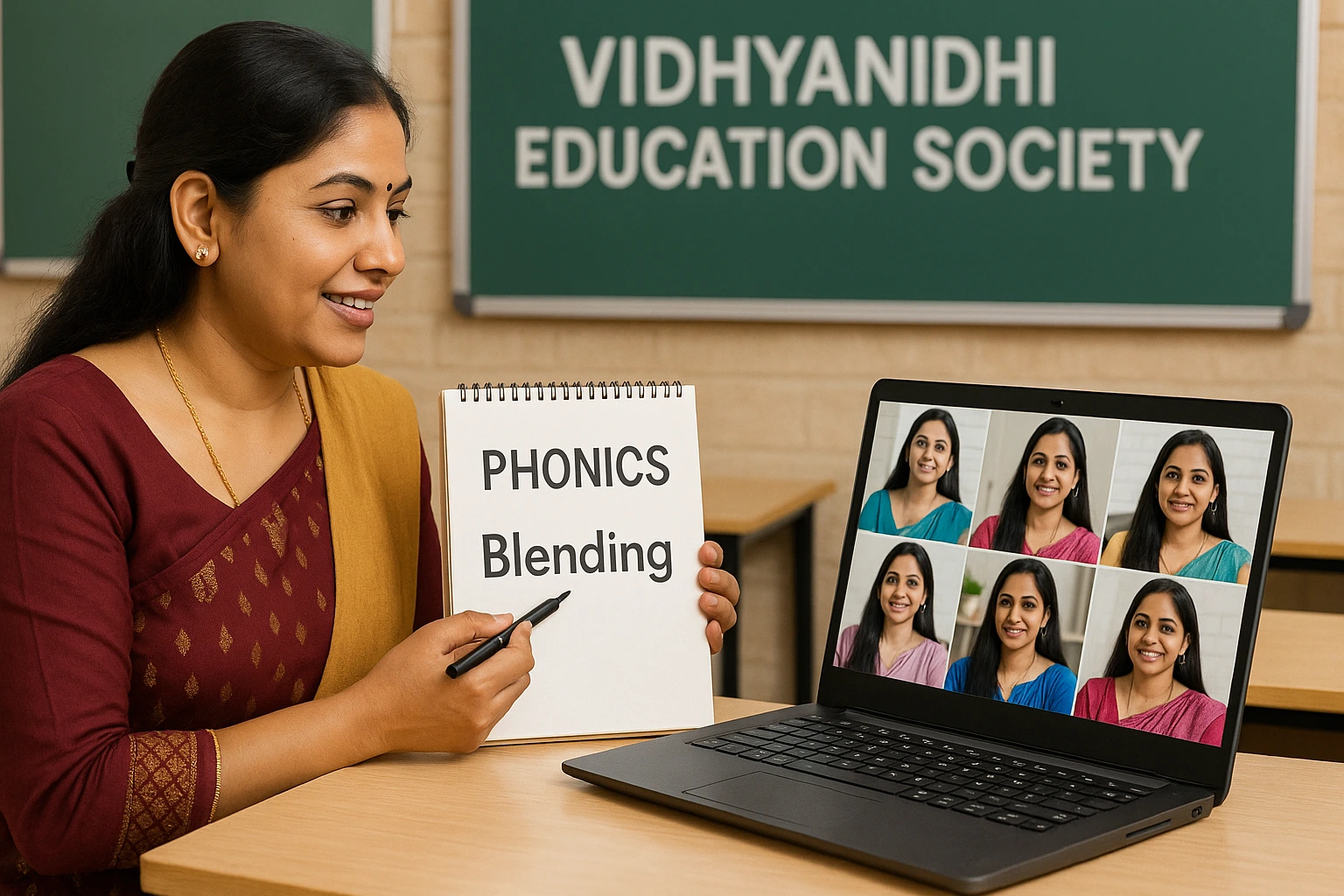
How to Develop a Strong Foundation for Reading?
As children learn to Read with Phonics, they learn skills like recognizing words and understanding how sounds are put together. Talking, storytelling or other language developing Read with Phonics activities help to learn reading.
Read with Phonics Activities for Pre-schoolers Helps Develop a Strong Foundation for Reading:
Build Phonemic Awareness and Phonics
Kids can learn to pick out sounds in words by playing rhyming word games such as cat-hat or sun-fun. Practice blending sounds to form words. Break up words like /c/ /a/ /t/. Magnetic letters, alphabet puzzles and flashcards matching sounds to letters. Start with simple consonants and short vowels. Give readable books with simple words.
Build Print Awareness and Vocabulary
Point to words as you read to show direction. Label objects like “chair” or “door” at home. Read and discuss new words each day. For example, when you read a story you may draw pictures and make gestures to show the meaning of small and huge.
Achieve Understanding and Fluency
Re-read your favorite stories to reinforce them. Try reading it out loud. Ask the child to repeat a sentence that you have read. Ask questions like: “ What is the next thing that happens? ” “ Why was the character feeling happy? ”
Create a Literacy-Rich Environment
Keep books within reach and let children see adults reading. Read stories in funny voices and make it fun for the kids. Use the five finger test when selecting good books.
Children receive lots of practice and a strong foundation for reading in a fun, supportive environment.
For downloading the brochure of Phonics Training Course, Click Here!
Call or Whatsapp on +918104606573 / +919869866277, for details of Phonics Training Course!
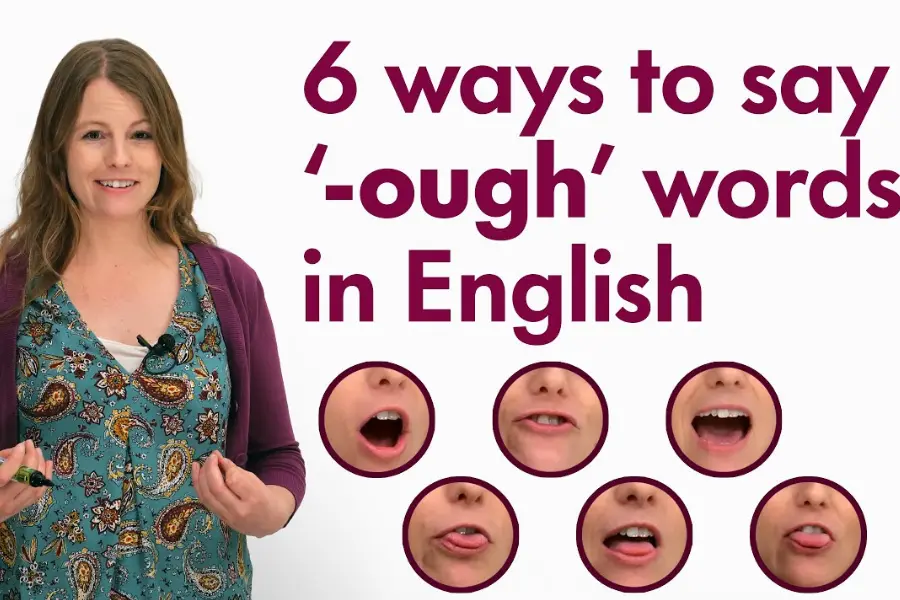
Teaching Beginning Sounds
One of the most important early reading skills is Teaching Beginning Sounds. It helps children connect spoken and written language and to isolate the first sound of a word.
This learning can be effectively carried out by simple and interesting Read with Phonics Activities for Pre-schoolers:-
Sound Identification Games
Say a word like “ball” and ask the children what they hear first (the sound). Help them to say the /b/ sound plainly.
Think sorting games
Use picture cards of such things as an apple, an ant, and an axe. Ask the children to sort them by the initial sound /a/.
Alphabet Matching
Match objects to letters. For example, match a “ cat ” with C or “ dog ” with D . This creates good letter connection.
I Spy Read with Phonics Sounds
Play “I spy something that starts with /m/.” Children guess what you see (e.g., “mat” or “milk”).
Story, Rhyme Time
Read rhymes and find similar beginning sounds (big blue ball).
These Read with Phonics Activities for Pre-schoolers help build early phonics skills and listening skills and memory. Repetition and fun learning together helps kids build confidence in recognizing sounds, which gives them a robust footing for reading and spelling.
For downloading the brochure of Phonics Training Course, Click Here!
Call or Whatsapp on +918104606573 / +919869866277, for details of Phonics Training Course!
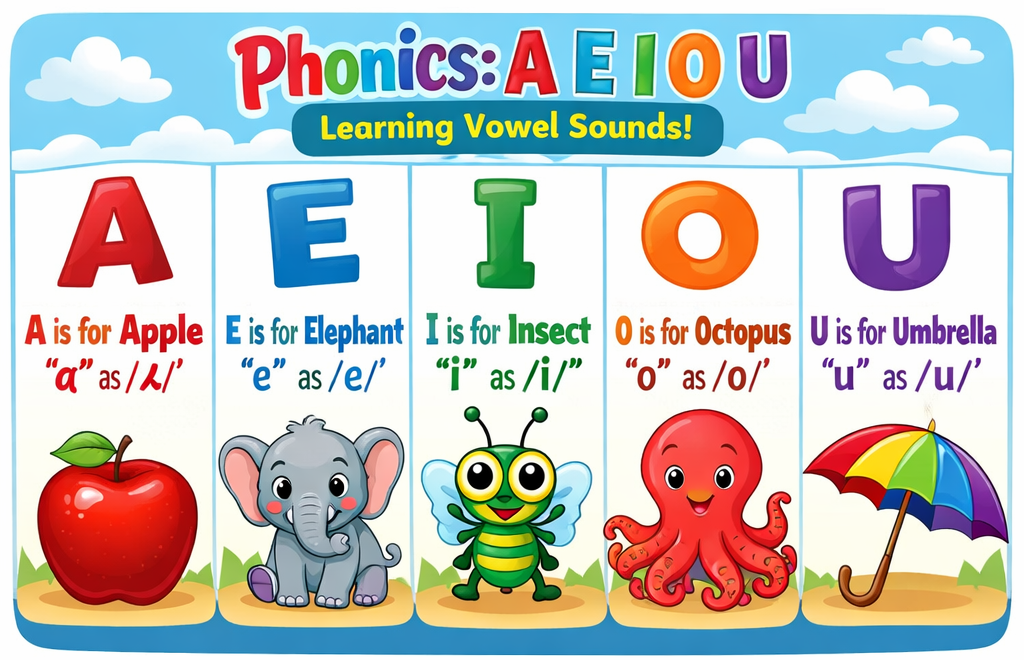
Introducing the Short Vowel Sounds
Introducing the Short Vowel Sounds is a key step in helping preschoolers begin reading simple words. The short vowels are /a/ (as in “cat”), /e/ (as in “bed”), /i/ (as in “sit”), /o/ (as in “hot”), and /u/ (as in “sun”). When children learn these sounds, they are better able to decode words.
Here are some simple Read with Phonics Activities for Pre-schoolers ideas for teaching short vowel sounds:
Make Use of Associations with Images
Show pictures of umbrellas, apples, eggs, igloos, oranges, etc. Say the word and underline the vowel sound at the start.
Word Families Practice
Teach patterns such as -at (cat, bat, mat) or -en (pen, hen, ten). This helps children to hear the same sounds in different words.
Sorting Sounds
Give children mixed picture cards. Ask children to group the cards by vowel sounds, e.g. /o/ for ‘dog’ and ‘pot’ together.
Action and Movement Games
Make learning an active process. Do something creative with each vowel sound. For example, clap for /a/, tap for /i/, etc.
Simple Reading Practice
Use easy words such as “cup,” “bed,” or “pig” in short sentences.
Short vowel sounds are often a good place to start when building early reading skills and confidence.
For downloading the brochure of Phonics Training Course, Click Here!
Call or Whatsapp on +918104606573 / +919869866277, for details of Phonics Training Course!
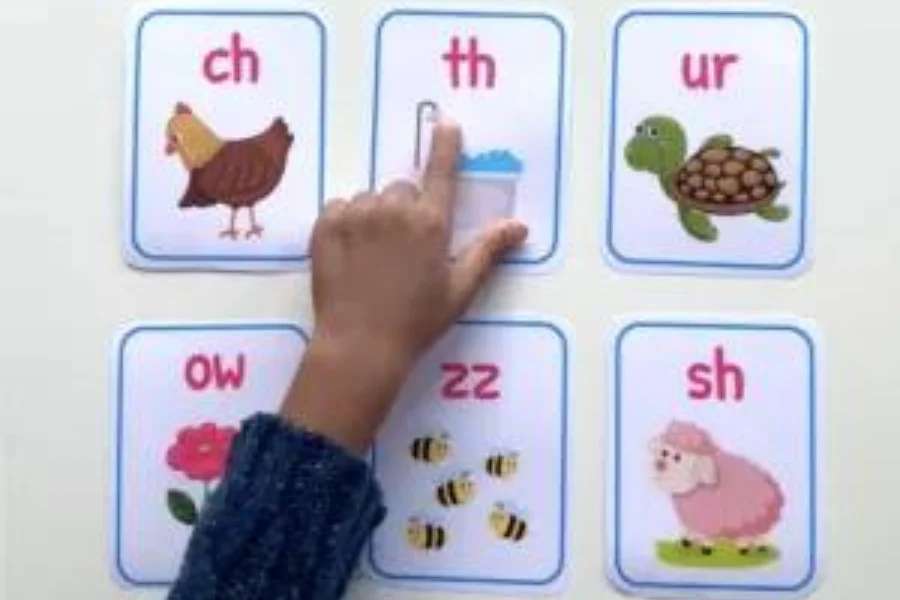
Simple Hands on Phonics Reading Activities
The Simple Hands on Phonics Reading Activities can help preschoolers actively connect sounds and letters. For instance, the Phonics Teacher Training Course gives teachers useful tips on making these Read with Phonics exercises interesting and successful for younger students.
Here are some fun, easy Read with Phonics activities:
Activity: Sound Box
Like a ball and a pen and a toy cat. Put them in a box. Have them choose one and say the first sound, e.g.,/b/ for ball.
Letter Cards – Build-a-Word
Give children letter cards to create simple words like “cat,” “sun,” or “bed.” This helps the sounds to blend.
Phonics Treasure Hunt
Hide things around the room and ask children to find things that start with a particular sound, such as /s/ for spoon or sock.
Tap & Read
Children touch each letter, say the sound, then blend the sounds to read the word.
Picture & Word Association
Associate words with pictures to help recognize and understand.
Vidhyanidhi Education Society (Govt. Regd.) has a Phonics Teacher Training Course where you will learn the practical methods to Read with Phonics. A well-organized Phonics Teacher Training Course helps teachers build solid reading foundations for the kids.
Master phonics skills—join Vidhyanidhi’s Phonics Training Course today!
For downloading the brochure of Phonics Training Course, Click Here!
Call or Whatsapp on +918104606573 / +919869866277, for details of Phonics Training Course!
Faqs
How Does Teaching Phonics Help My Child Learn To Read?
Phonics teaches children to associate sounds with letters, making reading easier and more accurate.
How Often Should Phonics Be Taught?
Phonics should be taught daily in short fun bursts to help them remember.
Should I Focus On Reading Or Phonics?
You should teach phonics first as this will help them to decode words and then read fluently.
Should I Teach Letter Names Or Sounds First?
You should teach letter sounds before names. Read with Phonics and Vidhyanidhi Education Society both support this method.
