


Understanding Slow Learning Disorder
Understanding Slow Learning Disorder
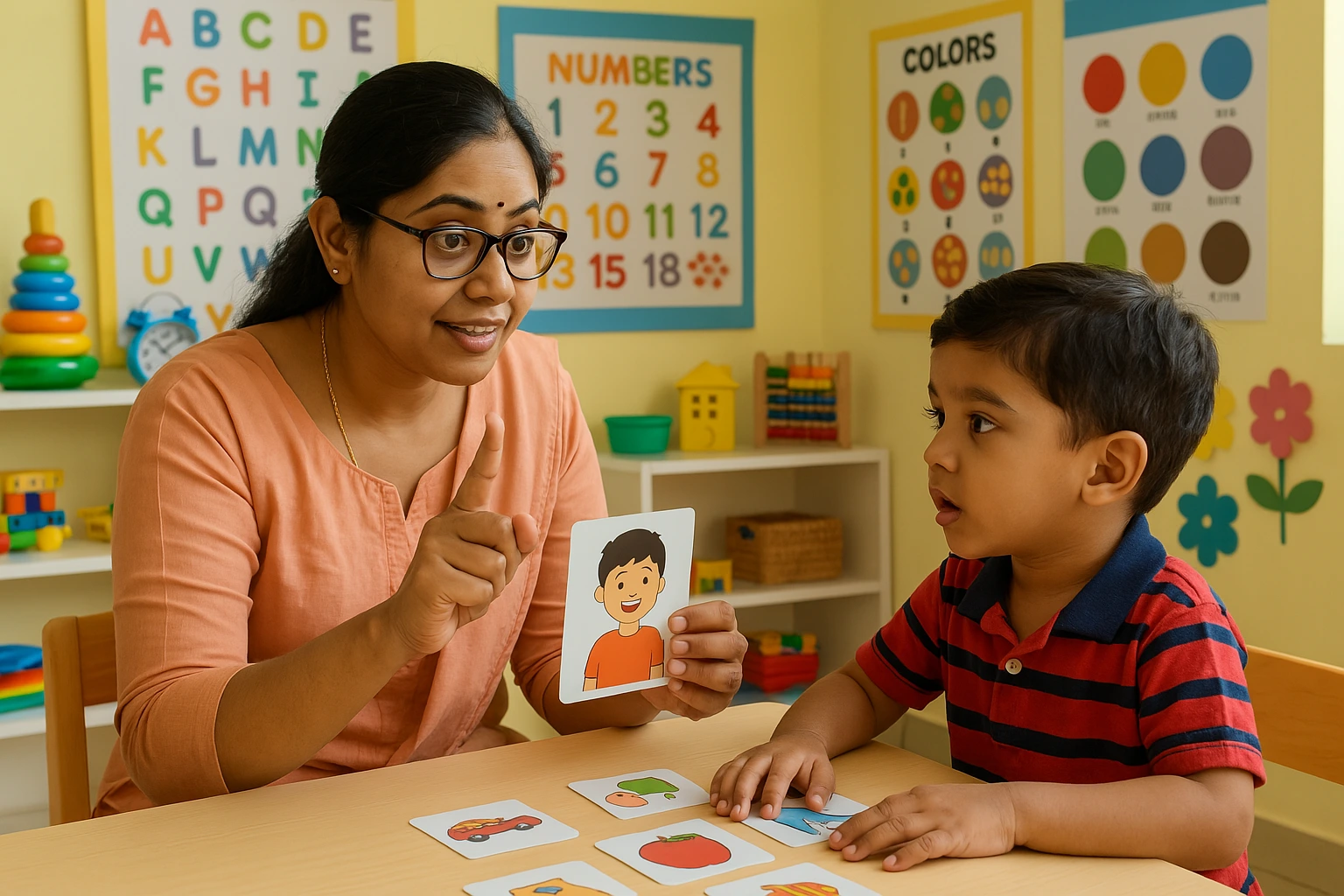
Slow Learning Disorder affects kids who learn at a slower pace than others of the same age. These kids may take more time to understand lessons, remember information and stay focused, even though they are keen to learn. They often show delays across subjects, struggle with basic concepts like letters, numbers or shapes, and need repeated practice to build understanding. Slow Learning Disorder is different from Specific Learning Difficulties because the challenges are more general and consistent, making extra time, patience and simple, multisensory teaching methods important for steady progress.
Table of Content
What is Slow Learning?
Slow learning is a way of learning in which a child learns new things and abilities more slowly than other kids their age. A student who is slow to learn may require more time, frequent explanations and clear examples for understanding ideas. This does not indicate that the child has a learning problem. Slow learners may make consistent progress in school with the correct help and teaching style.
Key characteristics of slow learning include:
- Taking more time to understand new concepts and instructions
- Needing frequent repetition and practice to retain information
- Learning better with concrete examples and hands-on activities
- Showing difficulties across most subjects rather than in only one area
- Progressing at a consistent but slower rate compared to peers
Slow Learners benefit from patient guidance, structured lessons, and teaching methods that match their learning pace. When instruction is adapted to their needs, they can build confidence and improve their skills effectively.
To download the brochure of the LD Course, Click Here!
For more details on the LD Course, Call / WhatsApp at +919321024137 / +919869866277
Signs of Slow Learning
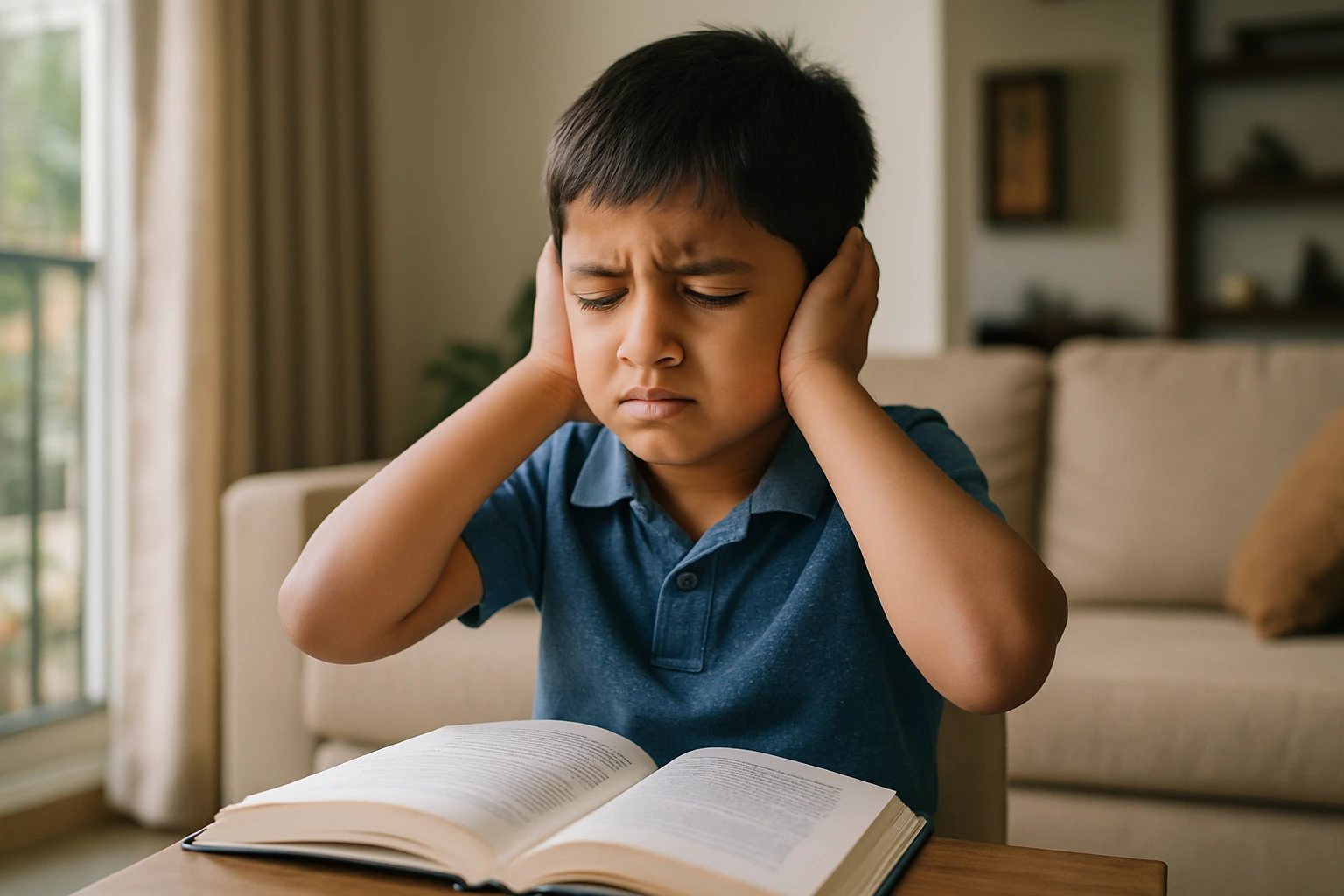
Signs of delayed learning sometimes show up as problems that keep happening when you try to understand, remembering and use what you learn in class. These signs of slow learning keep showing irrespective of constant guidance. Recognizing these crucial signs helps educators and parents to take steps in the right direction and helps them develop the essential skills needed for better learning.
Academic and Cognitive Signs
- Slow academic progress: Takes more time than peers to understand lessons or complete tasks
- Memory difficulties: Struggles to retain information despite repeated practice
- Attention challenges: Short attention span and difficulty staying focused
- Difficulty with abstract concepts: Understands ideas better through concrete examples than verbal explanations
- Language struggles: Weak reading, writing, spelling, and limited vocabulary
- Math difficulties: Trouble with numbers, basic calculations, and word problems
- Poor reasoning skills: Finds planning, problem-solving, and logical thinking difficult
Behavioral and Emotional Signs
- Low confidence: Reduced self-esteem due to repeated Learning Challenges
- Frustration: Becomes easily upset or bored during learning activities
- Negative attitude toward learning: Shows a lack of interest in school-related tasks
- Giving up easily: Avoids or quits tasks that seem lengthy or difficult
Physical and Motor Signs
- Delayed development: Slower progress in early milestones such as speech or self-care
- Motor skill difficulties: Poor pencil grip, slow or messy handwriting, and coordination issues
When Teachers and Parents know these signs, they can give kids gentle, individualized help that helps them build skills, confidence and a good way to learn.
To download the brochure of the LD Course, Click Here!
For more details on the LD Course, Call / WhatsApp at +919321024137 / +919869866277

Diagnosis and Assessment
The diagnosis of slow learning involves a systematic process where there is a thorough scrutiny of the child’s development journey, along with their academic performance. Inputs are taken from various sources that are keenly involved in the child’s day-to-day functioning to understand the child’s strengths and the challenges he faces.
Key steps in diagnosis and assessment include
Multi-disciplinary professional evaluation
This procedure involves a team-based scrutiny of the child, where they work together to provide the child with the best interventional support.
Milestones and developmental journey assessment
The child’s Developmental and academic history is reviewed, and the child’s learning patterns are reviewed.
Classroom Interpretation
The child’s behaviour and learning patterns are studied during their classroom observations.
Routine tests
Standardised and Generalised tests are conducted for measuring the child’s intelligence (IQ), academic achievement, and cognitive processing
Skill-specific analysis
Identifies difficulties in areas such as reading, writing, or mathematics
Medical screening
Rules out hearing, vision, neurological, or other health-related concerns
The prime motto of assessment is to scrutinise the differences between slow learning and intellectual disability. Professionals can ascertain the gaps between the child’s age and appropriate expectations at that age. Knowing the exact areas of concern helps to plan suitable intervention support for the child that helps to make their learning journey a comfortable one with minimal stress.
To download the brochure of the LD Course, Click Here!
For more details on the LD Course, Call / WhatsApp at +919321024137 / +919869866277
Support Strategies
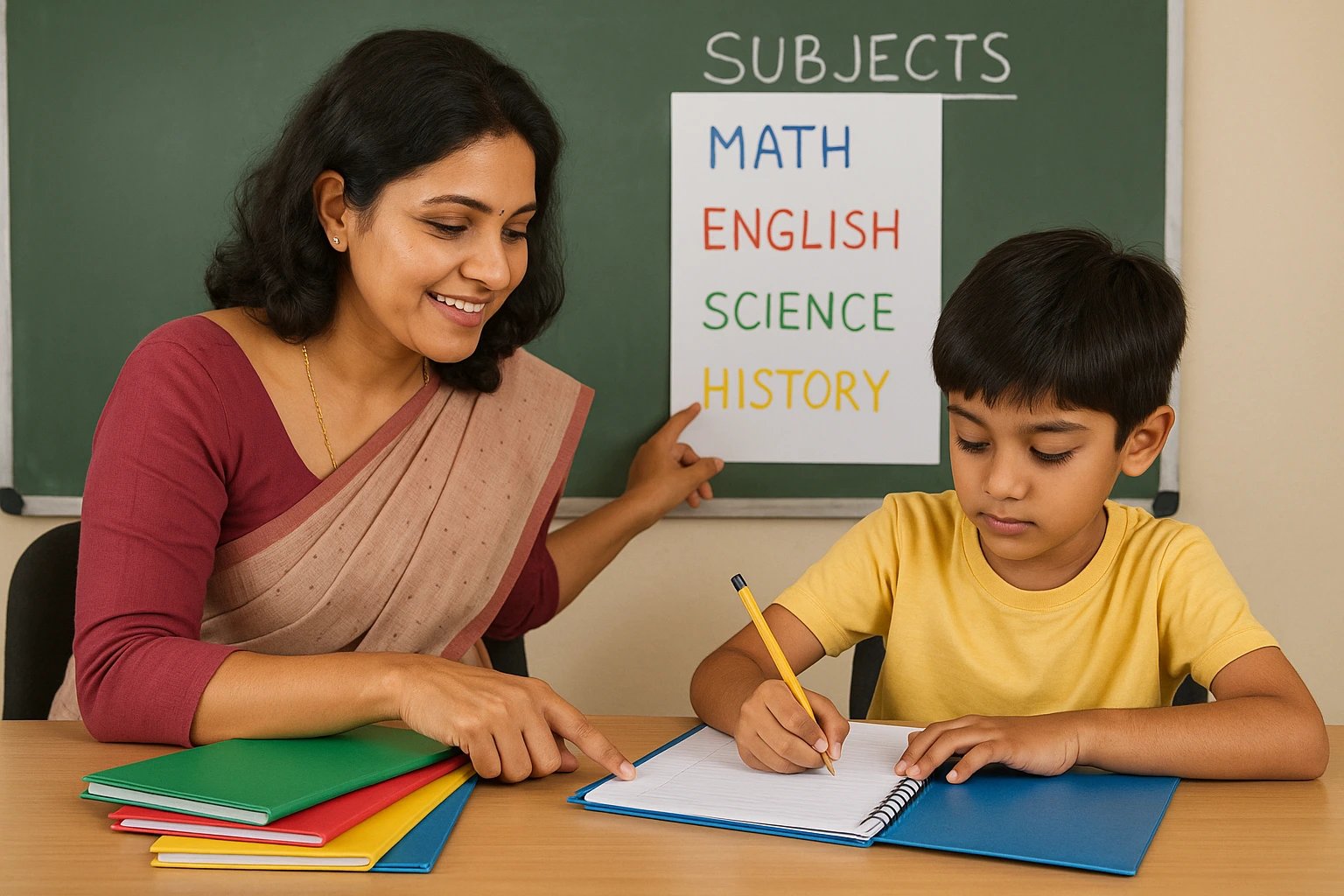
Valuable support strategies enable slow learners to build essential skills and develop confidence that helps them attain their learning outcomes effectively. The primary motive of support strategies is to apply teaching methods that align with the child’s learning preferences and help them achieve progress at their own pace.
Professional training also plays an important role in supporting slow learners effectively. Vidhyanidhi Education Society (Govt. Regd.), an esteemed teacher training Institute has initiated a learning disability course that certifies aspiring candidates to handle complex challenges of a modern classroom effectively.
Some of the effective strategies used are listed below:
Learner-based teaching
Teaching methods are based on the child’s strengths that helps them understand topics clearly.
Repeating topics thoroughly
Repetition of topics to ensure that the child has understood concepts clearly, and reinforcement is done properly.
Strong teaching methods
Connect teaching with real experiences that help them retain topics for a longer duration.
Appreciation
Acknowledge and appreciate the child’s small achievements and milestones.
Skill-based practice
Extra support in reading, writing, and math through guided practice
Positive alliancing
Develop a rapport with teachers, parents, and other therapists to provide the child with the best interventional support.
Through the Learning Disability Course, participants gain insights into assessment methods, classroom adaptations, and remedial techniques. The Learning Disability Course also focuses on inclusive teaching practices that address varied learning needs. By enrolling in the Learning Disability Course, educators can confidently support slow learners and help them achieve steady academic growth.
Empower special children with the right strategies! Join Vidhyanidhi Education Society’s LD Course today!
To download the brochure of the LD Course, Click Here!
For more details on the LD Course, Call / WhatsApp at +919321024137 / +919869866277
Understanding Slow Learning Disorder
FAQs
Is slow learning a disability?
Slow learning is not always a disability. It refers to a slower learning pace and differs from specific learning disabilities that affect particular skills.
What is the IQ of a slow learner?
Slow learners usually have borderline intellectual functioning, with an IQ range of about 70–85, which is below average but not classified as intellectual disability.
What is the medical term for a slow learner?
There is no fixed medical term. It is often described as borderline intellectual functioning or discussed under Slow Learning Disorder in educational settings.
What is a remedial plan for slow learners?
A remedial plan includes personalised goals, repeated practice, multisensory teaching, and regular review. Vidhyanidhi Education Society trains educators to address Slow Learning Disorder effectively.
