



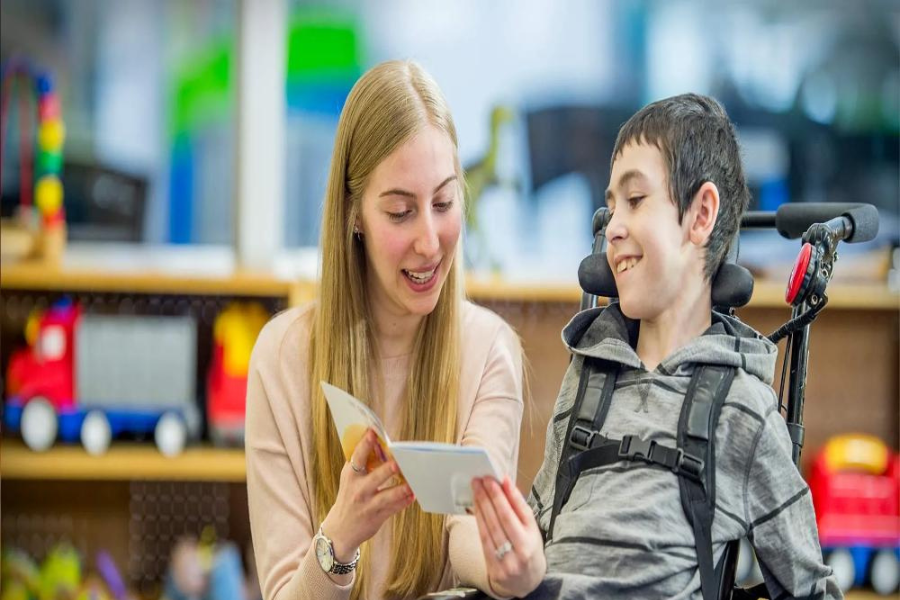
What is Special Educator Meaning?
Source: eduwinnow.
What is a Special Educator Meaning?
Special Educator Meaning implies a professional who has undergone the desired training and possesses deep insights about different learning disabilities, enabling them to make a positive impact on the learning journey of children with special needs. Understanding Special Educator Meaning helps parents and teachers recognise how these educators adapt teaching methods, create supportive environments, and focus on individual strengths. A Special Educator works closely with students who may face challenges in learning, behaviour or development, ensuring that education is accessible, respectful and effective for every kid.
Table of Content
What is the Difference between a Special Educator and a General Educator?
Knowing the exact difference between a general educator and a special educator helps to understand how schools practise inclusive educational practices in their system and how these varied learning needs are supported. Though both General and Special Educators aim to uplift the educational standards of any institution, their ways, teaching techniques and job roles vary significantly.
Difference between a Special Educator and a General Educator
| Aspect | General Educator | Special Educator |
| Prime Focus | Catering to the standardised curriculum, depending on the board. | Provides need and disability-based interventional support. |
| Teaching Methods | Teaching techniques are as per the broader section of students and their learning styles. | Learner-based strategies, smaller unit teaching and need-based approaches. |
| Student Needs | Addresses general educational needs | Supports learning, developmental, and behavioural difficulties |
| Planning | Standardised lesson plans for the entire class. | Child-based and disorder-based IEP. |
| Role in School | Manages classroom learning and collaborates for inclusion | Handles case management, IEP development, and progress monitoring |
| Documentation | Standardised general records maintenance | Carefully maintained Portfolios and legal documents. |
| Learning Atmosphere | Generalised setting | Specially designed and learner-based settings. |
The key difference lies in scope and individualisation. A General Educator works with the larger section of students who have a similar learning preference, and emphasis is on the general syllabus. Special Educator, on the other hand, focuses on a smaller number of children whose ways of learning differ from those of the other students. Special Educator is also responsible for coordinating with the school administration to ensure the benefits of inclusive education are easily accessible to children.
To download the brochure of the Diploma in SEN, click here!
For more information on a Diploma in SEN, Call/WhatsApp at +919321024137 / +919869866277
Source: ny1.com
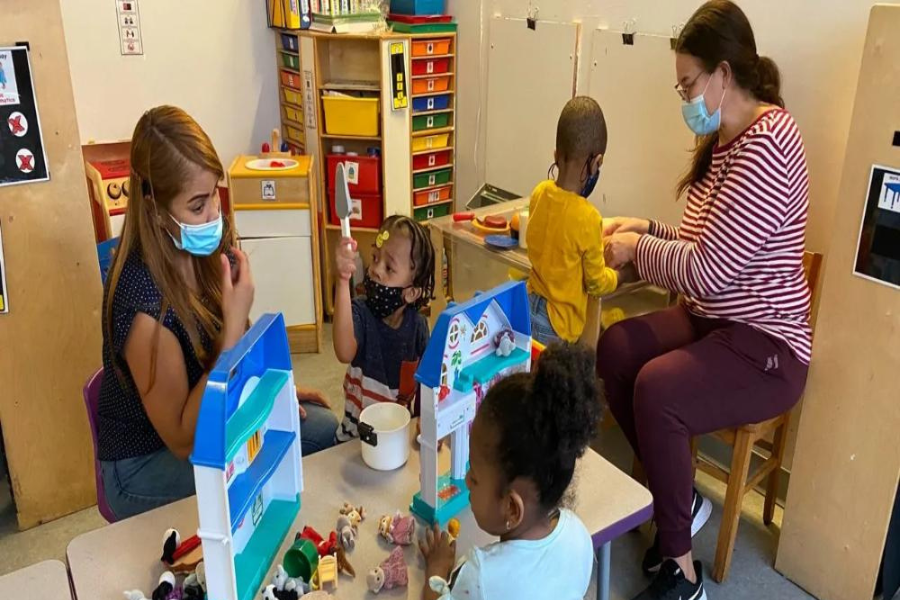
Which Students do Special Educator Work With?
Special Educators work with Students who, due to several neuro-developmental conditions, have a different way of processing information that affects their learning skills. These students need academic assistance as well as personal guidance to succeed in their learning environments. These students may have recognised disabilities or specific learning needs that affect how they process information, communicate, or interact socially.
Learners supported by special educators are listed below
- Learning skill-related disorders such as dyslexia, dyscalculia, or dysgraphia
- Behavioural and Neuro-developmental disorders such as Autism.
- Communication and Language disorders that impact social interaction skills.
- Intellectual Disorders that need adaptations in the teaching techniques and differentiated instruction.
- Physical Impairments and sensory processing disorders affecting their movement in class, as well as their hearing and listening abilities.
Children with special needs possess normal intelligence, but their ways of processing information are varied, which requires them to be catered to in conducive learning spaces and in limited numbers. Special Educators are adept at understanding the challenges of children with special needs, and accordingly, they devise intervention plans and develop essential skills in the children through systematic planning and positive alliances with families.
To download the brochure of the Diploma in SEN, click here!
For more information on a Diploma in SEN, Call/WhatsApp at +919321024137 / +919869866277
Source: delco
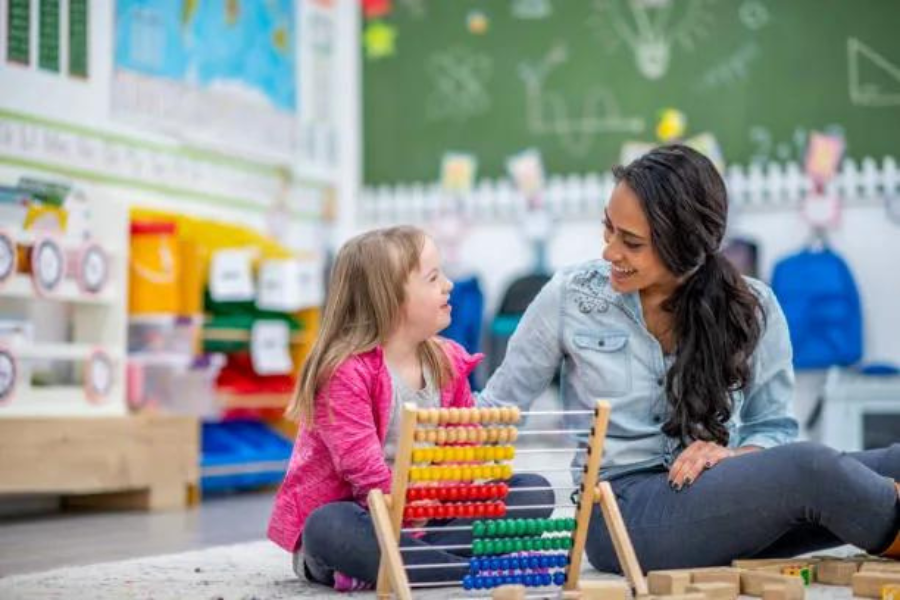
Why Become a Special Educator?
Choosing to become a special educator offers a meaningful and purpose-driven career focused on making education accessible to every student. This role allows teachers to support students who need individualised attention and adapted teaching methods to achieve educational and personal growth.
Reasons to Become a Special Educator
- Make a direct impact on the lives of kids with various learning needs
- Use creative and flexible teaching approaches suited to each student
- Support inclusive education and equal learning opportunities
- Build strong collaboration with parents, therapists and school teams
- Experience professional growth through specialised skills and training
- Find long-term career stability due to reliable demand in schools
A special educator plays an essential role in helping students increase confidence, independence and essential life skills. The profession offers emotional fulfilment, professional respect and the opportunity to contribute positively to inclusive education systems.
To download the brochure of the Diploma in SEN, click here!
For more information on a Diploma in SEN, Call/WhatsApp at +919321024137 / +919869866277
Source: momjunction
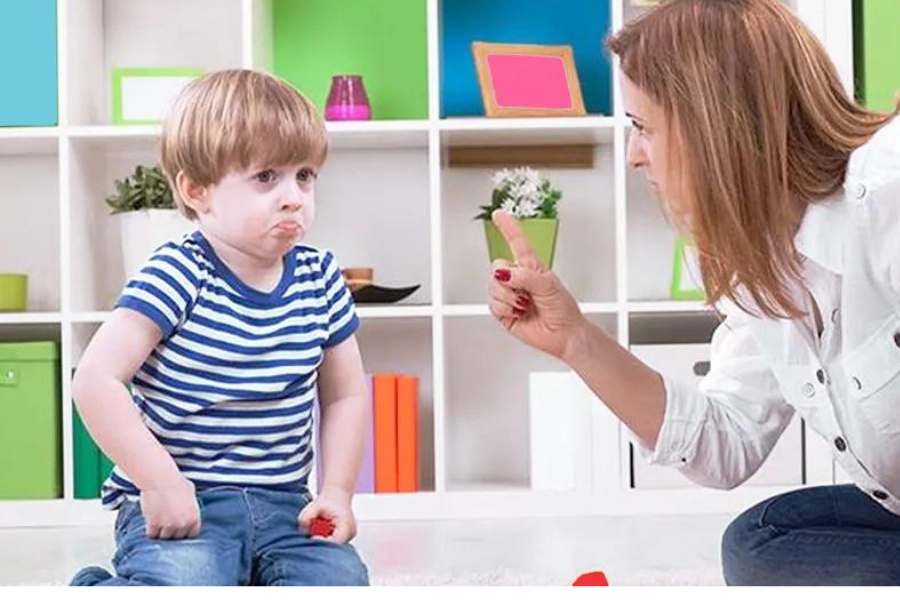
Is there a demand for a Special Educator?
Yes, there is a strong and growing demand for special educators across schools and educational institutions. As awareness of various learning needs increases, more schools are focusing on inclusive education and individualised support for kids who need extra support.
Reasons for the High Demand for Special Educators
- Rising identification of learning, developmental, and behavioural differences in children
- Greater emphasis on inclusive classrooms within mainstream schools
- Legal and educational policies requiring support services for students with disabilities
- Increased parental awareness and advocacy for tailored learning support
- Expansion of early intervention and remedial education programs
Where Special Educators Are Needed?
- Pre-primary, primary, and secondary schools
- Inclusive and special schools
- Early intervention centres
- Learning support clinics and therapy centres
- Online and home-based education platforms
Special educators play an important role in adapting curriculum, developing individualised plans, and supporting student progress. Their expertise is important for creating equitable learning environments. With rising awareness and implementation of Inclusive Education in the educational system, there is a spike in the demand for Special Educators, making this industry an enriching yet financially rewarding one.
To download the brochure of the Diploma in SEN, click here!
For more information on a Diploma in SEN, Call/WhatsApp at +919321024137 / +919869866277
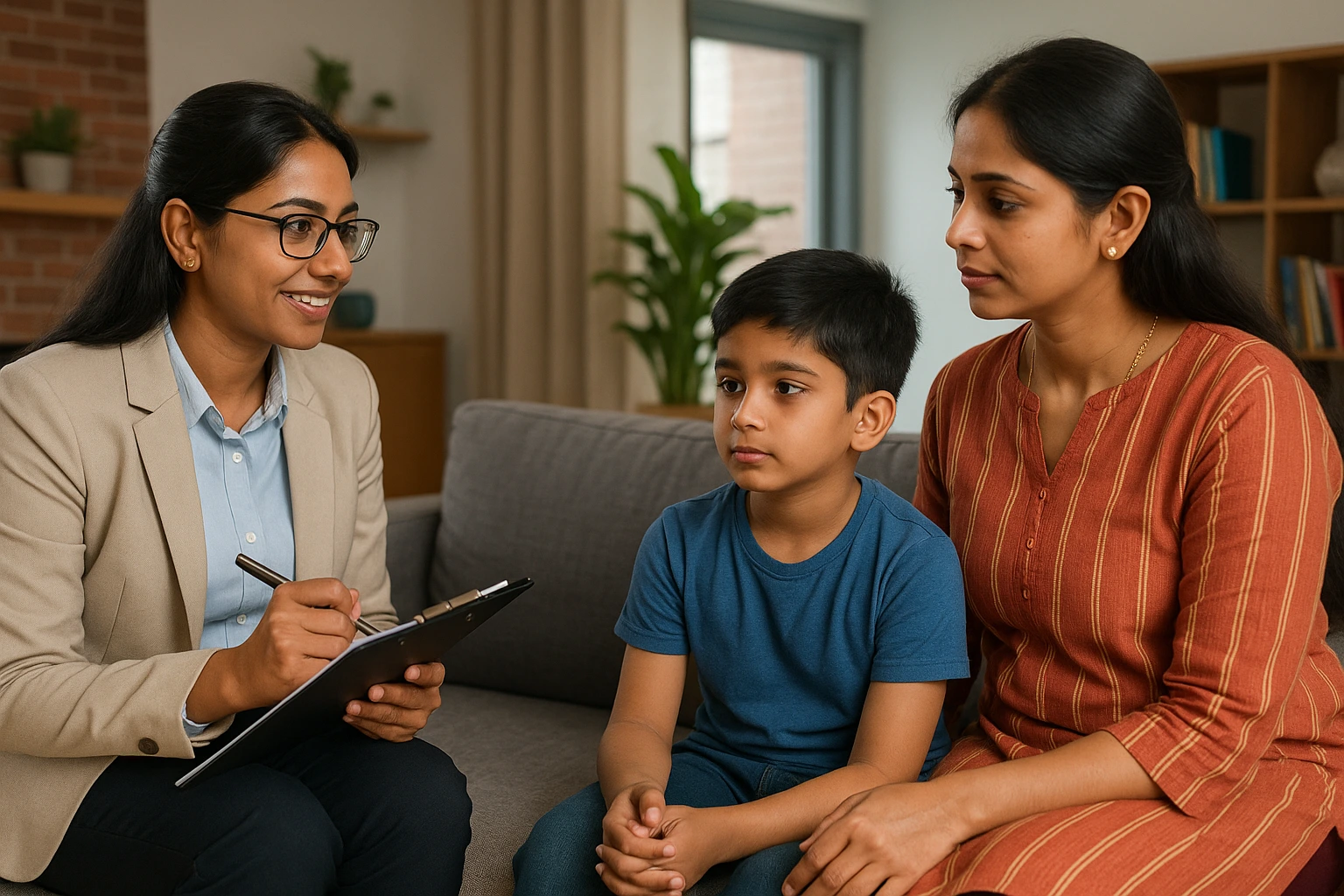
How to Become a Special Educator?
To become a Special Educator, one must undergo in-depth, intensive training under a Special Education Needs course and gain adequate practical training to understand the real challenges of a modern classroom. This career path suits individuals who want to support kids requiring personalised educational support.
Steps to Become a Special Educator
Complete Basic Education
Finish higher secondary education in any stream. A background in education, psychology or child development can be helpful.
Acquire a professional certification.
Gain a professional credential by undergoing a Special Education Needs program from a bankable platform like Vidhyanidhi Education Society, equipping aspiring teachers to develop essential skills and knowledge that help them support children with various learning, developmental and behavioural challenges.
Obtain adequate classroom exposure.
Gain Practical Experience by going through internships in a school where you understand the actual challenges of a modern classroom and learn skills that help maintain the decorum of the class.
Develop Key Skills
Build skills in individualised planning, assessment, communication and collaboration with parents and professionals.
Apply for Teaching Roles
After certification, apply to schools, inclusive setups, therapy centres or learning support roles. With growing demand, completing a Special Education Needs Course improves employability.
Vidhyanidhi Education Society offers Special Education Needs Course options that prepare teachers to work confidently in inclusive and specialised learning environments.
Unlock your potential as a Special Education with Vidhyanidhi Education Society’s (Govt. Regd.) Diploma in SEN today!
To download the brochure of the Diploma in SEN, click here!
For more information on a Diploma in SEN, Call/WhatsApp at +919321024137 / +919869866277
FAQs
Who Is Called an Educator?
An educator is anyone professionally involved in teaching, training, mentoring, or supporting learning across schools and educational settings.
What Is the Qualification of a Special Educator?
A special educator typically needs a diploma or degree in special education. Institutes like Vidhyanidhi Education Society explain the Special Educator Meaning through structured training.
What Is the Biggest Problem With Special Education?
The biggest challenge is limited resources, heavy documentation, and ensuring consistent individualised support for every learner.
What Is the Main Role of a Special Educator?
The major job is to provide each student with personalised teaching, make learning plans and help kids with different educational requirements.
