


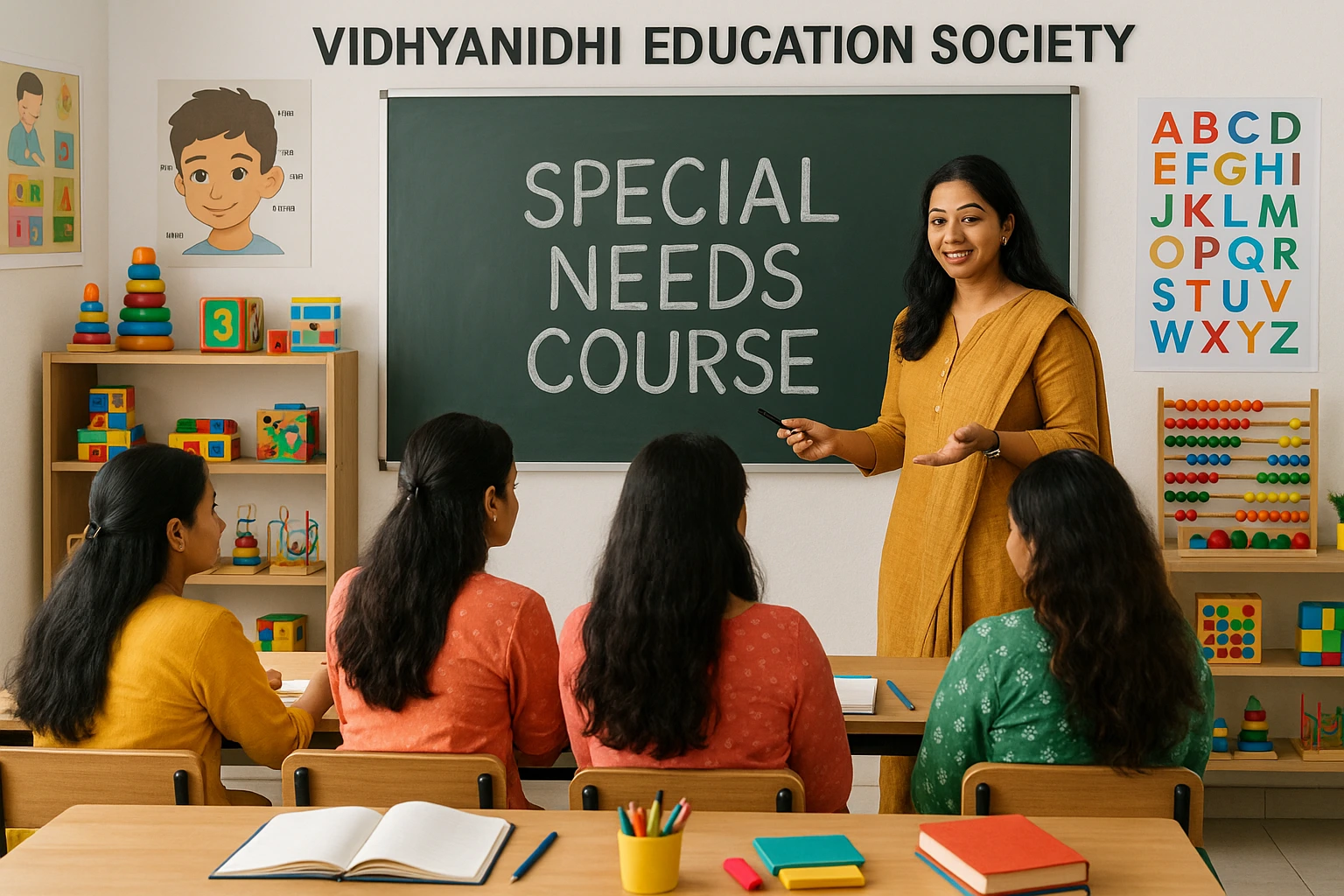
Special Needs and Education in Inclusive School
Special Needs and Education in Inclusive School
Special Needs and Education are important in providing equal learning opportunities for all children in an inclusive educational environment. Children with various learning styles, physical problems or developmental issues can engage in a collaborative classroom environment.
Teachers in Inclusive Schools focus on understanding each child’s strengths and helping them grow with confidence. Special Needs and Education also encourages acceptance, teamwork and respect among students. Through effective teaching methods, classroom guidance, and positive support, inclusive schools enhance the intellectual, social, and emotional development of students as they study together in the same classroom.
Table of Content
Type of Disabilities to be Included in Inclusive School
Inclusive schools support children with different abilities by providing equal learning opportunities in the same classroom. Teachers use flexible teaching methods and supportive learning materials so every child can participate comfortably.
Different types of disabilities included in inclusive schools are:
Physical and Locomotor Disabilities
These affect body movement and mobility.
Examples: Cerebral Palsy, Muscular Dystrophy, Spina Bifida and Dwarfism.
Sensory Disabilities
It refers to a disability of one or more senses, such as hearing, vision, thinking, and verbal.
Examples: Visual impairment, deafness, auditory challenges, speech delays, and mental illness.
Intellectual and Developmental Disabilities
These affect learning ability and daily functioning.
Examples: Down Syndrome, Fragile X Syndrome, and developmental delays. Teachers may provide simplified instructions and extra learning support.
Learning disabilities
Cognitive functioning disrupts information processing of an individual, making it difficult to understand academic knowledge.
Examples: Reading inability, dyscalculia affecting math, dysgraphia (writing), auditory processing disorder, and visual processing disorder.
Behavioural & Neurodevelopment disorders
Slow development of the brain affects the areas of focus, attention, behaviours, and communication.
Examples: Autism Disorder, attention deficit, and hyperactivity disorder.
Enrolling in the Special Education Needs Course provides comprehensive knowledge of various types of disabilities and their management techniques, which is helpful for teachers, parents, and caregivers to provide inclusive support.
For details of the SEN Course, Call / WhatsApp on +919321024137 / +919869866277.
To download the SEN Course brochure, Click Here!
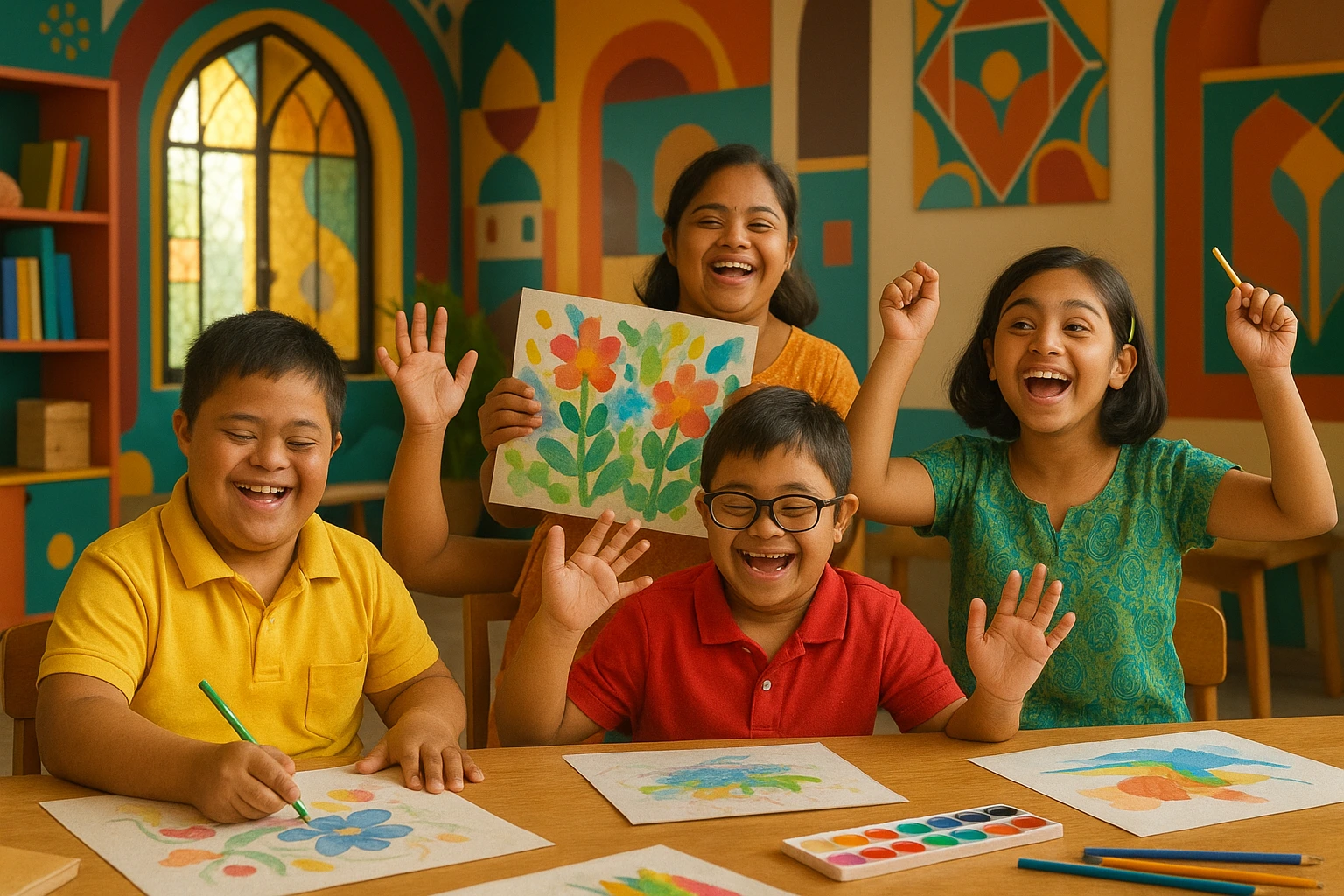
Curriculum Modifications in Inclusive Classrooms
To create an inclusive classroom, modifying the curriculum is a crucial step. It helps to align, address, and cope with every child’s learning incapacity. Adjusting teaching methods, classroom activities, and using impactful learning aids ensures the active participation of students.
- Providing instructions with visual aids, audio materials, and hands-on activities
- Altering teaching methods to address every learning need
- Simplifying complicated lessons into easy ones
- Using large fonts while writing on a digital screen
- Providing extra time for activity completion
- Integrating technological tools in improving reading, writing, and listening skills
- Breaking a lengthy task into smaller parts
Small but significant efforts in academic modification can have a greater impact on Students with Special Needs, as it ensures their academic achievement, social development, emotional growth, and increased confidence.
For details of the SEN Course, Call / WhatsApp on +919321024137 / +919869866277.
To download the SEN Course brochure, Click Here!
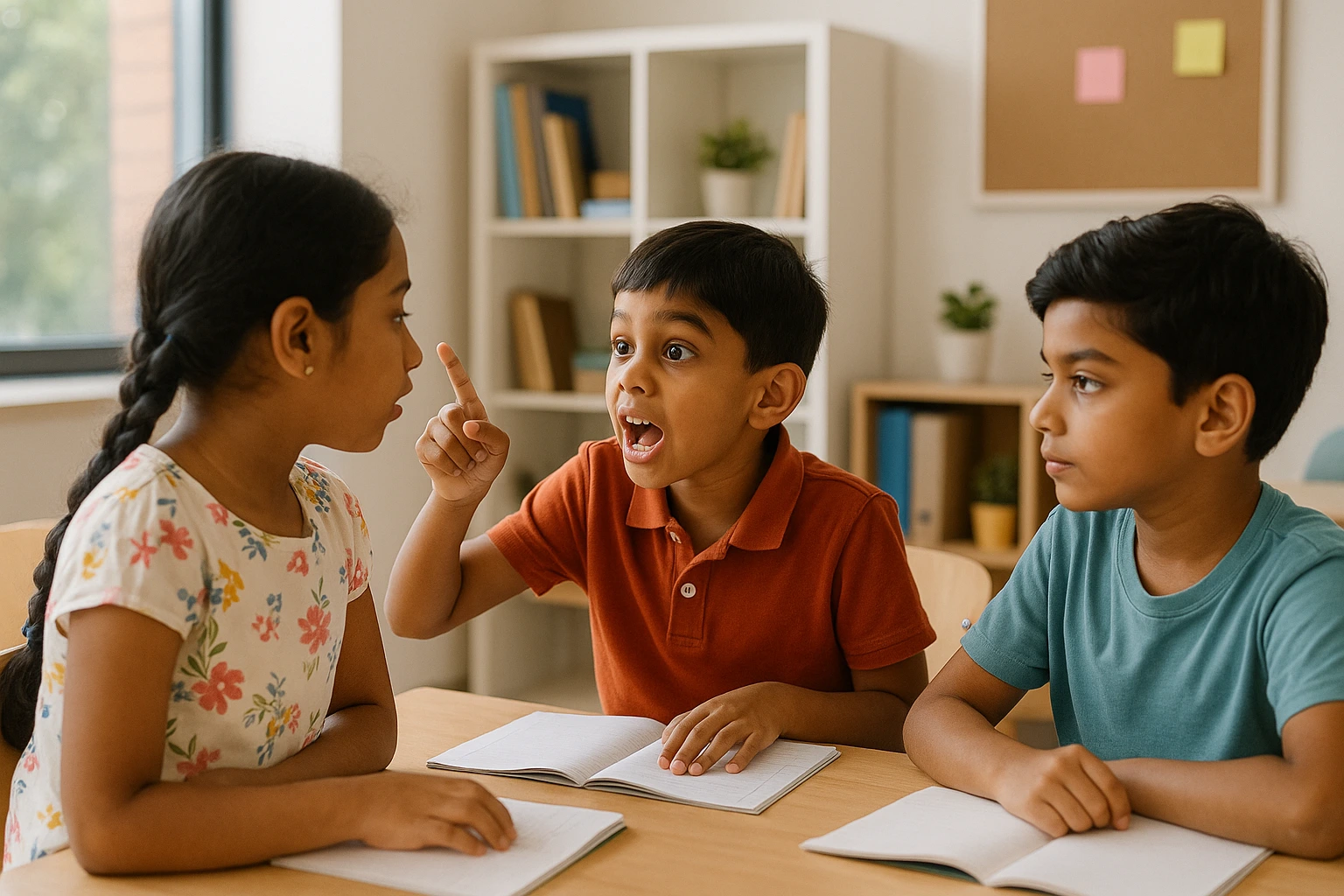
Adaptations for Children with Special Needs
Adaptations for children with special needs help create equal learning opportunities by making small changes in everyday learning. Teachers use a flexible teaching approach and suitable aids to make learning equal and supportive for every student.
Classroom adjustments
Schools should create wider classrooms for ample spacing, low shelves, facilitate wheelchairs for physically handicapped students, and install adjustable chairs and tables.
Technological adaptations
Making use of the speech-to-text tool is beneficial, using large print books or a screen for students with visual challenges, and playing an audio recording for better focus.
Evaluation adaptations
Assessing through observation or projects, taking verbal examination when required instead of writing or vice versa, and allowing extra time in the test.
Community support
Conducting role-play to build connections with the world and teach social skills, encouraging group activities, praising the positive work of students, and building trust.
Such adaptations have led to significant results for children with special needs. With the Special Education Needs Course, participants learn the techniques to apply adaptations and create an Inclusive Classroom for special needs students.
For details of the SEN Course, Call / WhatsApp on +919321024137 / +919869866277.
To download the SEN Course brochure, Click Here!
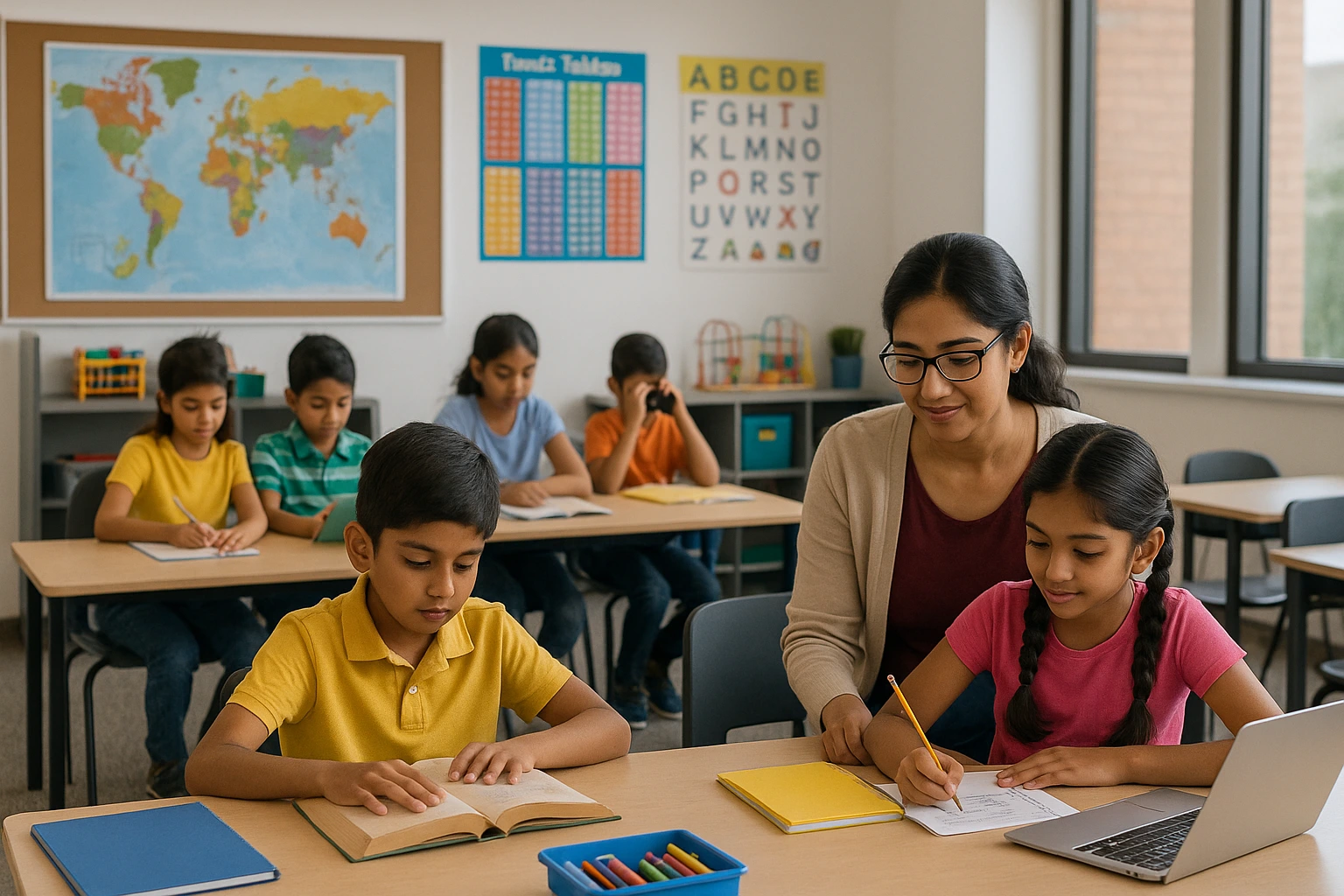
Working Together: Partnerships for Inclusion
Teachers, parents and therapists working together ensure active participation, good academic results, social development, and improved communication of children with special needs.
Regular communication
Teachers need to update and provide feedback to parents about the child’s daily learning in class.
Applying home strategies
Parents can reinforce activities and techniques shared by teachers at home practice. Like taking one-on-one reading sessions and playing useful academic games.
Encouraging children
When a child is motivated and supported by family shows faster improvement. Regular communication with children, recognizing their positive efforts, and appreciating them builds confidence at home as well.
Additional support
Providing occupational therapies, visiting workshops, and inclusive events helps children to overcome fear, anxiety, or depression.
Emotional support
Both teachers and parents both providing emotional support to children is extremely crucial in improving brain cells.
The Special Education Needs Course offered by Vidhyanidhi Education Society (government-registered) prepares teachers to work well with families, therapists, and schools to make learning fun for everyone. This Special Education Needs Course also teaches useful skills for supporting children in modern classrooms who have different learning styles.
Join Vidhyanidhi Education Society’s SEN Course to shape futures as a Special Education Teacher!
For details of the SEN Course, Call / WhatsApp on +919321024137 / +919869866277.
To download the SEN Course brochure, Click Here!
Special Needs and Education in Inclusive School
FAQs
Which Types Of Students Are Included In Inclusive Class?
Students with specific learning disabilities like reading, writing, or math, or behavioural challenges are supported in an inclusive classroom.
What Is Inclusive Education And Its Importance In The Classroom?
Inclusive education is adjusting the teaching methods, activities, and writing timings to improve the academic development of students.
What Is Inclusion?
Providing equal opportunities for learning and participation for students with special needs in regular schools is known as Inclusion.
What Is The Role Of A Special Education Teacher In An Inclusive Classroom?
A special educator in an inclusive classroom supports the learning challenges of students with impactful strategies and techniques.
