




What does Sped in Education Mean?
What does Sped in Education Mean?
Sped in Education refers to special education services designed to support students who study differently. It aims to implement the aspects of inclusivity with a lot of potency in the mainstream classrooms, ensuring the benefits can ensure maximum participation by students who may face Learning Difficulties.
With the help of exclusive teaching methods and adapted lessons, students with varied learning needs and learning styles can acquire high-quality education and build skills that can help them lead their lives with confidence.
Sped in Education also encourages inclusion, helping students grow educationally while improving confidence, communication and independence in everyday school life.
Table of Content
Sped Meaning: What does it stand for?
The term Sped is short for Special Education. It refers to educational programs and services created for students who have learning differences or special needs. These special needs basically refer to difficulties the child faces in their ways of processing information that affect their learning skills, hampering their overall academic and socio-emotional development.
Sped stands for an approach that focuses on individual learning requirements rather than a one-size-fits-all method. Schools use structured plans and trained educators to help students achieve academic and personal growth.
The meaning of SPED includes:
- Teaching techniques are designed as per the needs of the child.
- Assistance and guidance whenever required.
- Every child has an Individualised Education Program (IEP) devised for them.
- Implementing specialised inclusive practices that help in attaining the desired learning outcomes.
Special Education endeavours to foster maximum engagement of children with varied learning needs in the mainstream education, providing each child a fair chance to acquire quality education along with their peers, developing meaningful bonds and leading wholesome lives.
For details of the SEN Course, Call or WhatsApp on +919321024137 / +919869546913.
Click here to download the brochure for the SEN Course!

Sped in Educational Context
Sped, also the short form for Special Education, has a very crucial role to play in making the mainstream classrooms conducive learning spaces that help each child learn at a pace convenient for them. SPED aims to utilize varied types of multi-sensory teaching methods that cater to each child’s learning needs and ensure that every child progresses effectively.
SPED basically refers to helping children with varied learning needs accommodate comfortably into a regular classroom, eliminating the need for any separate classrooms. It primarily aims to make regular classrooms highly inclusive, where children grow together without being fearful of being judged or looked down upon under the guidance of skilled professionals.
Sped in the educational context includes
- Exclusive teaching tactics as per the child’s needs.
- Lessons adapted to suit the child’s requirements
- Constant guidance and support from an adept team of special educators, counsellors and therapists.
- Power and tech-backed tools that keep children engrossed in the learning process, enhancing their attention span.
- Emphasis on all developmental domains such as academic, social and emotional development.
Sped helps create balanced learning environments. It supports students in building confidence, improving skills, and achieving meaningful educational goals while respecting individual learning differences.
For details of the SEN Course, Call or WhatsApp on +919321024137 / +919869546913.
Click here to download the brochure for the SEN Course!
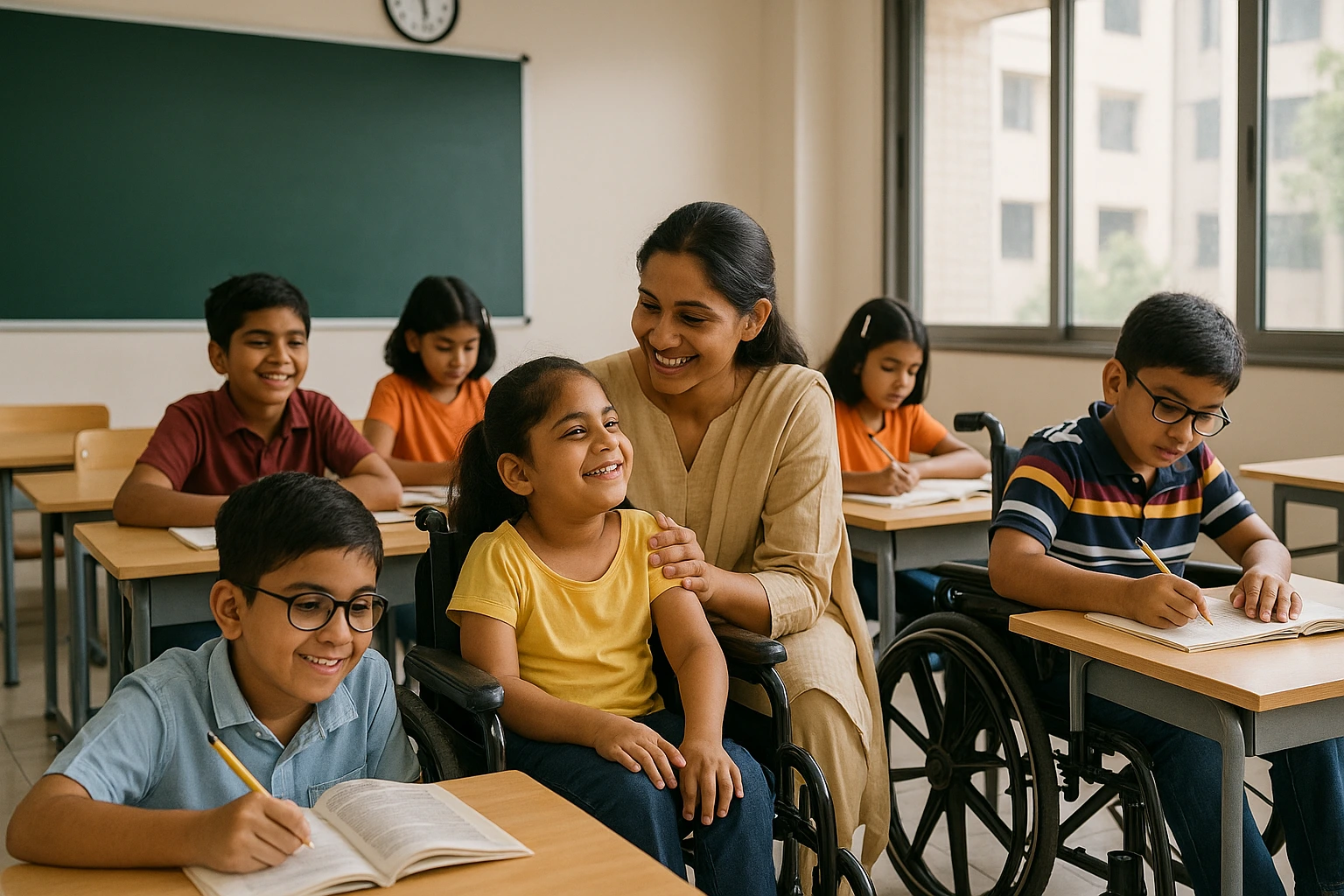
What is a Sped Kid?
A Sped kid refers to a student who might possess a processing disorder that affects their learning and behavioural skills, impacting their overall development and academic journey. So, the child must be provided special assistance and support in the form of exclusive strategies based on their difficulties, known as special education.
So, a Sped Kid in educational settings describes students who receive this additional academic aid to help them acquire education in a regular classroom.
A Sped kid is not defined by limitations, but by the type of support needed to learn effectively and confidently.
Main features of a SPED child are listed below:
- Processes information in a different manner; the pace of learning differs.
- Ways of learning may need changes in the lessons or additional support
- Has an IEP designed for them based on their learning goals.
- Is entitled to receive additional support and guidance from Special Educators
- Special efforts are taken to foster their social development and enhance their life-skills.
A SPED kid is often a gifted child who possesses unique talents and skills, but their ways of processing information are different; therefore, their learning styles are different.
When provided with the precise support and strategic guidance, these students can achieve results and build skills that help them participate with a lot of enthusiasm in all school activities.
For details of the SEN Course, Call or WhatsApp on +919321024137 / +919869546913.
Click here to download the brochure for the SEN Course!

How do you know if your Child needs Special Education?
Understanding whether a Child Needs Special Education support starts with observing their learning and behaviour patterns over time. Every child develops at a different pace, but some signs may suggest that extra educational support could be helpful.
Common indicators include:
- Difficulty understanding basic concepts despite regular practice
- Delayed speech, reading, or writing skills compared to peers
- Trouble focusing, following instructions, or completing tasks
- Challenges with social interaction or emotional control
- Frequent frustration, anxiety, or low confidence related to schoolwork
- Physical or sensory difficulties that affect classroom learning
Teachers frequently see these signs in organised educational settings and may recommend additional assessment. Tests given by teachers, psychologists or experts can help find out what kinds of learning requirements a child has. Early identification lets kids get the right teaching methods, changes to the classroom and support services. This helps them learn new things, feel more confident and have a better time in school.
For details of the SEN Course, Call or WhatsApp on +919321024137 / +919869546913.
Click here to download the brochure for the SEN Course!

10 Special Education Strategies that Work for all Kids
Effective Special Education methods help kids who need to learn in a particular manner, and they also help all the other kids in the class. These interventional techniques enable children with varied learning needs attain their learning goals with joy and without any stress or pressure.
- Lucid Instructions – Use simple language with single instructions and no complicated steps.
- Visual Aids- Using a lot of Visual aids in the form of Pictures, charts that foster learning outcomes.
- Rewards: Appreciating the child’s smallest wins and encouraging their efforts.
- Multi-sensorial techniques – Use a mix of teaching methods, especially sensorial methods, using a lot of hands-on learning activities.
- Schedules- The child should be trained to follow schedules, helping them not feel anxious.
- Limited group learning – Teach fewer children at a time, helping each child understand better and focus well.
- Tech-aided Tools – Include innovative teaching tools such as audiobooks for better attention span.
- Periodic assessment- Regular assessments for the child to make any changes in the ILP if needed.
- Regular breaks – Timely breaks for the child to improve their focus and energy levels.
- Emotional Support – A calm and respectful environment builds trust and confidence.
These approaches build inclusive classrooms where all kids can learn, grow and succeed at their own pace.
For details of the SEN Course, Call or WhatsApp on +919321024137 / +919869546913.
Click here to download the brochure for the SEN Course!
Why is Special Education Important?
Special education is a significant part of the educational system as it ensures every child gets a fair chance to be a part of the mainstream education, giving them a chance to learn and grow just like the other children, and lead wholesome lives.
Some students need extra educational, emotional or behavioural support to understand concepts and build confidence. Special education concentrates on identifying these needs early and providing structured support to help kids progress at their own pace. The Special Education Needs Course prepares teachers to support diverse students effectively. Through the Special Education Needs Course, teachers gain insight into child development, inclusive practices and classroom approaches.
The importance of special education includes:
- Supports individual learning styles and skills
- Helps kids overcome learning and developmental challenges
- Builds self-confidence and independence
- Boosts inclusion and positive social interaction
- Improves educational results through personalised teaching
Qualified teachers play an important role in providing effective special education services. This is where professional training becomes important. Vidhyanidhi Education Society (Govt. Regd.) offers a Special Education Needs Course designed to prepare aspiring teachers with practical skills and knowledge. Choosing the Special Education Needs Course helps building inclusive environment where every child has an equal chance to grow and do well.
Empower every learner—join Vidhyanidhi’s SEN Course and make a real impact!
For details of the SEN Course, Call or WhatsApp on +919321024137 / +919869546913.
Click here to download the brochure for the SEN Course!
Special Education Needs Course
FAQs Parents can refuse services, request a second opinion, or discuss changes with the school to decide what support feels right. A child with autism may receive Sped in Education support if learning needs affect schooling. Vidhyanidhi Education Society trains educators for such support. It means learning with adapted lessons, smaller groups, and added teacher support to meet individual learning needs. A child may be considered Sped if learning, physical, emotional, or behavioural needs require special teaching support in school.
What if my child is found eligible for special education, but I do not agree?
Are you Sped if you have autism?
What does it mean to be in a Sped class?
What makes a child Sped?
