



Teaching Strategies for Student with Learning Disabilities
Teaching Strategies for Students with Learning Disabilities
Student with Learning Disabilities require thoughtful teaching approaches that match their unique pace and style of learning. Every classroom includes diverse learners, and effective strategies can help improve understanding, confidence and participation. Teachers can use simple methods like visual aids, repetition, and structured routines to support progress. Creating a supportive environment also plays an important role. When planned carefully, these methods can make learning easier and more meaningful for every Student with Learning Disabilities in the classroom.
Table of Content
Types of Learning Disabilities
People with Learning Disabilities have trouble processing information, which makes it challenging for them to learn certain things. These problems aren’t caused by low IQ; they’re caused by the way the brain understands and processes information. Teachers and parents can provide the right support if they know about the many kinds of learning disabilities.
Types of Learning Disabilities:
Dyslexia (Reading Difficulty)
Affects reading, spelling and understanding written words. Individuals may struggle with recognising letters, sounds and word patterns.
Dysgraphia (Writing Difficulty)
A disorder that affects the fine motor skills, which affects the writing skills of the child, making it a struggle to place their thoughts on paper.
Dyscalculia (Math Difficulty)
It’s tough to understand numbers, simple math and scientific ideas like time and measuring.
Auditory Processing Disorder (APD)
As the name suggests, the brain’s processing power of deciphering sounds is affected, due to which the child finds it difficult to understand auditory instructions.
Visual Processing Disorder
It is hard to understand visual information, including reading maps, identifying forms or understanding the written word.
Nonverbal Learning Disabilities (NVLD)
Affects social skills, coordination, and the ability to read body language and facial emotions.
Dyspraxia (Motor Skill Disorder)
Affects coordination and movement, making tasks like writing, tying shoelaces or taking part in physical activities challenging.
Teachers implement the different strategic methods and precise interventions that help students attain their learning outcomes effectively.
For more information on the LD Course, Call/WhatsApp at +919321024137 / +919869866277
To download the brochure of the LD Course, Click Here!

Source: communities.sprinter
How to Adapt Teaching Strategies for Students with Learning Disabilities?
Adapting teaching approaches for students with learning disabilities is a crucial aspect of Inclusive Education that makes learning engaging and accessible for a wider section of students. Small changes in the way you teach can have a big effect on how well your students understand and do their work.
Effective Ways to Adapt Teaching Strategies:
Use simple and clear instructions
Lessons should be broken up into smaller steps, and directions should be short and easy to understand.
Using more visuals
Using visuals helps children connect well with the learning goals, helping them retain knowledge for a longer duration.
Allow extra time
Allow kids more time to read, write and do their work without being rushed.
Encourage multi-sensory learning
Combine seeing, hearing, and hands-on activities to improve learning retention.
Periodic progress updating
Providing productive and positive progress feedback to ensure that the child builds high self-efficacy.
Repeat topics
Cover topics thoroughly and repeat them to understand them clearly.
Offer alternate reviewing methods.
Based on the child’s strengths, design the assessment methods instead of following age-old testing methods.
Conducive learning environment
Create a conducive learning environment that fosters every child’s well-being.
Use innovative methods
Implement innovative assistive tools to help children be engrossed and engaged in the learning process.
With proper implementation of these interventions, teachers can make a huge impact on the learning outcomes of the children, ensuring consistent academic progress.
For more information on the LD Course, Call/WhatsApp at +919321024137 / +919869866277
To download the brochure of the LD Course, Click Here!

Effective Learning Disability Teaching Methods
Effective teaching methods for kids with learning disabilities emphasise using tactics that align with the child’s learning needs. These methods help candidates to understand concepts at their own pace while building confidence and independence in the classroom.
Effective Learning Disability Teaching Methods
Use of Multi-sensory methods
Use a variety of multi-sensory teaching methods to suit every child’s needs.
Chunking
Breaking down tasks into smaller segments so that the child can master important steps.
Sticking to schedules
Always follow schedules to help the child get rid of anxiety and stay focused.
Repeating topics
Reinforce topics so that children remember them clearly.
Planned activities with classmates
Encourage and incorporate group activities that foster peer support, helping them understand and celebrate their diversities.
Power-backed AI tools.
Using innovative Assistive technology tools such as text-to-speech and audio aids to cater to each child’s learning needs.
Acknowledge and appreciate
Acknowledge the least progress of the child and motivate them to strive better.
Adaptable teaching pace
Based on the child’s progress, adjust your speed to ensure that the learning goals are attained.
These methods create an Inclusive Environment where students can improve skills, stay engaged, and experience steady academic growth.
For more information on the LD Course, Call/WhatsApp at +919321024137 / +919869866277
To download the brochure of the LD Course, Click Here!
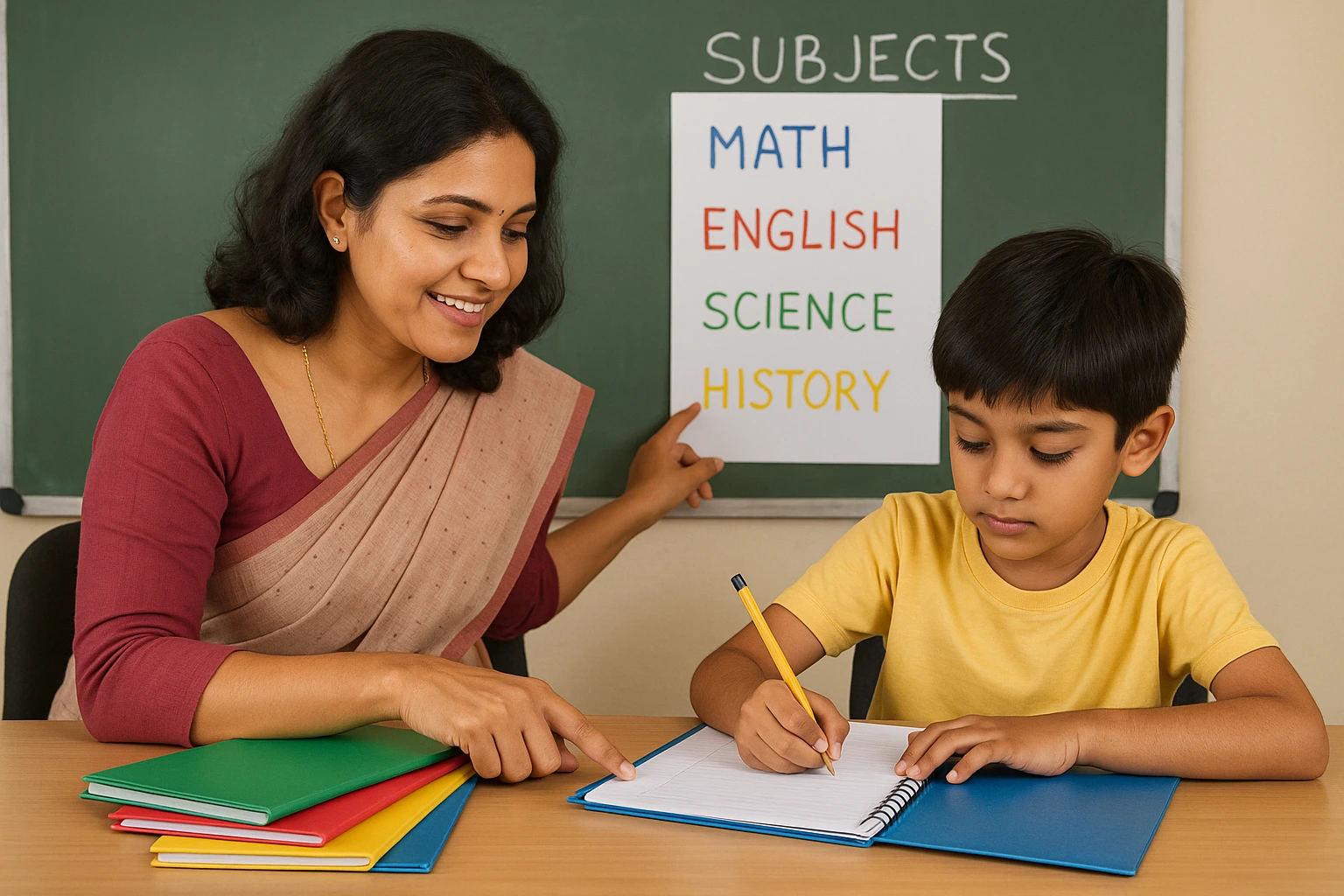
Tips for Inclusive Teaching Strategies
Inclusive teaching strategies ensure that every student feels valued and supported in the classroom. These approaches help meet the requirements of various students and make sure that everyone has the same chances to participate and succeed.
Essential Techniques for Inclusive Teaching Strategies
Understand your child’s needs thoroughly
Scrutinise your child thoroughly and understand their strengths and weaknesses to devise interventions based on their key strengths.
Lucid Instructions
Ensure that the instructions given are in a simple language that helps avoid any confusion.
Hands-on learning
Provide the child with plenty of hands-on learning experiences that help them strengthen their learning skills
Use various techniques
Use a variety of teaching techniques, such as audio-visual aids, sensorial techniques that suit every child’s needs.
Make learning engaging
Ensure that every child makes it a point to participate and get engaged fully in the classroom.
Conducive learning environment
Create a conducive learning space for children where they learn to respect and honour each other’s diversities.
Periodic feedback
Provide regular feedback to the parents, updating them about their child’s progress.
Use power-backed AI techniques
Use innovative techniques that keep the child engrossed and engaged in the learning process.
These tips help create a balanced classroom where every student can learn comfortably and achieve steady progress.
For more information on the LD Course, Call/WhatsApp at +919321024137 / +919869866277
To download the brochure of the LD Course, Click Here!
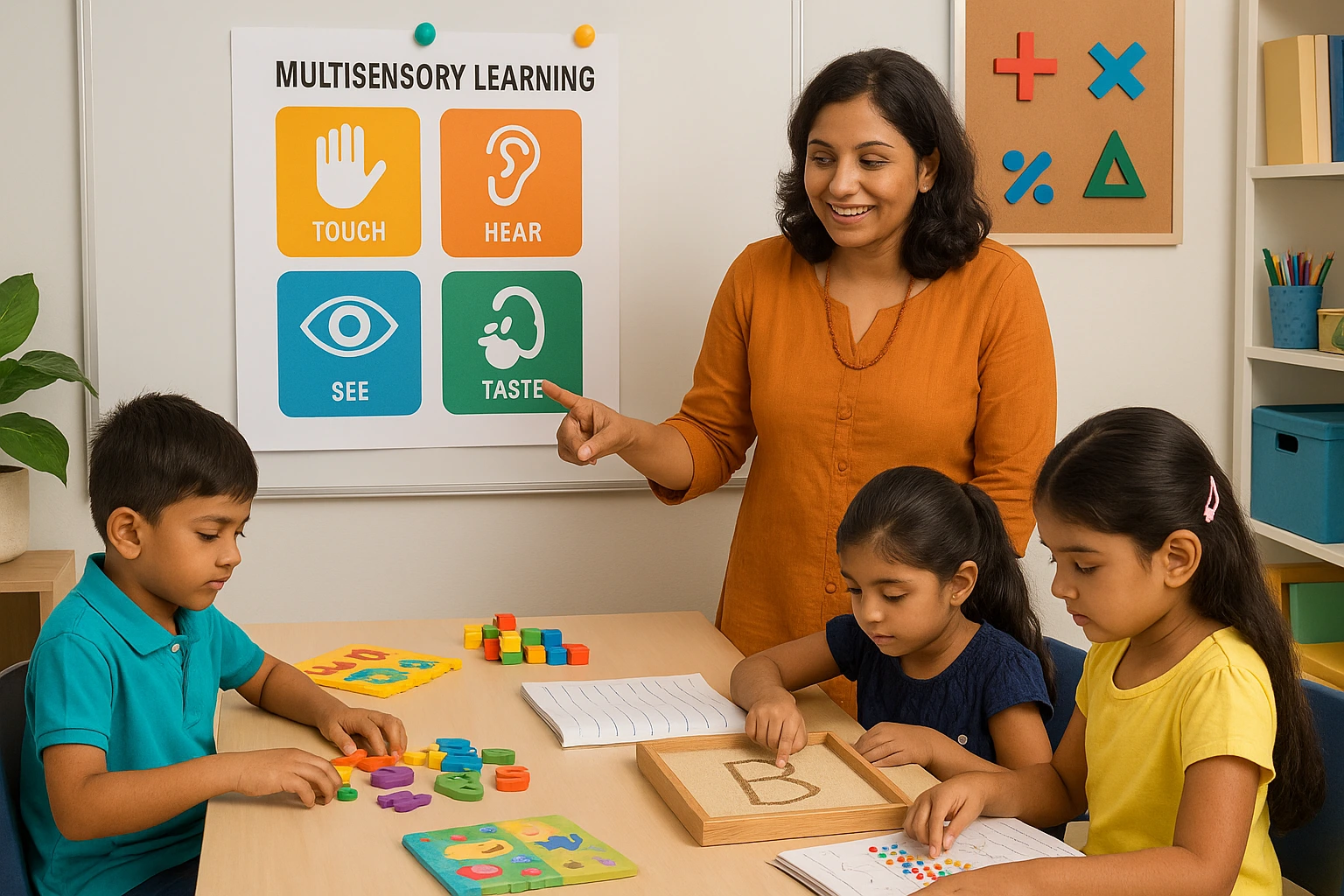
Benefits of Mastering Learning Disability Teaching Methods
A Learning Disability Course is a valuable tool that equips teachers with the precise tools and strategies and basics of classroom management that enable them to handle the complex challenges of a mainstream classroom that comprises students with varied learning needs.
It helps students attain their learning goals in a manner that aligns with learning preferences, enabling them to be confident in their daily classroom functioning, equipping them for a bright future. It helps students perform better on examinations and teaches them how to handle difficulties in the classroom.
Benefits of Mastering Learning Disability Teaching Methods
Better understanding of learner needs
Teachers learn how to identify specific learning difficulties and respond with suitable methods.
Better Teaching expertise
Helps teachers improve their teaching expertise as they gain valuable insights about various structured approaches.
Raising a child’s morale
Better methods lead to better learning outcomes, helping students feel confident, which helps them engage in the classroom activities with enthusiasm.
Effective Classroom Decorum
When each child learns in a manner aligning with their styles, it helps them be engaged, which helps maintain better discipline in the classroom.
Use of varied teaching techniques
An LD course introduces a variety of sensorial learning techniques that suit every child’s learning needs.
Resilient communication skills
Teachers develop better communication skills and are able to express their views clearly.
Lucrative job prospects
- Teachers are Career growth opportunities.
- Specialised knowledge adds value and opens roles in inclusive education settings.
Professional certification advantage
Institutions like Vidhyanidhi Education Society (Govt. Regd.) offer Learning Disability Course, helping teachers gain recognised qualifications.
Gaining expertise through a Learning Disability Course ensures teachers can create a helpful learning environment and help every child achieve steady educational progress.
Master the skills with Vidhyanidhi Education Society‘s (Govt. Regd.) LD Course and transform lives with expert guidance!
For more information on the LD Course, Call/WhatsApp at +919321024137 / +919869866277
To download the brochure of the LD Course, Click Here!
Student with Learning Disabilities
FAQs
Common challenges?
Students with Learning Disabilities face reading, writing, and focus issues; Vidhyanidhi Education Society supports better learning.
What are the main Challenges Faced by People with Learning Disabilities?
Difficulties in reading, writing, memory, focus, and social interaction often affect academic progress and daily confidence.
What are the three common types of Learning Disabilities?
Common types include dyslexia (reading), dysgraphia (writing), and dyscalculia (math-related difficulties).
What Challenges Faced by Teachers?
Teachers may struggle with varied learning needs, classroom management, time limits, and creating effective individual strategies.
