


What is Teaching Special Education?
What is Teaching Special Education?
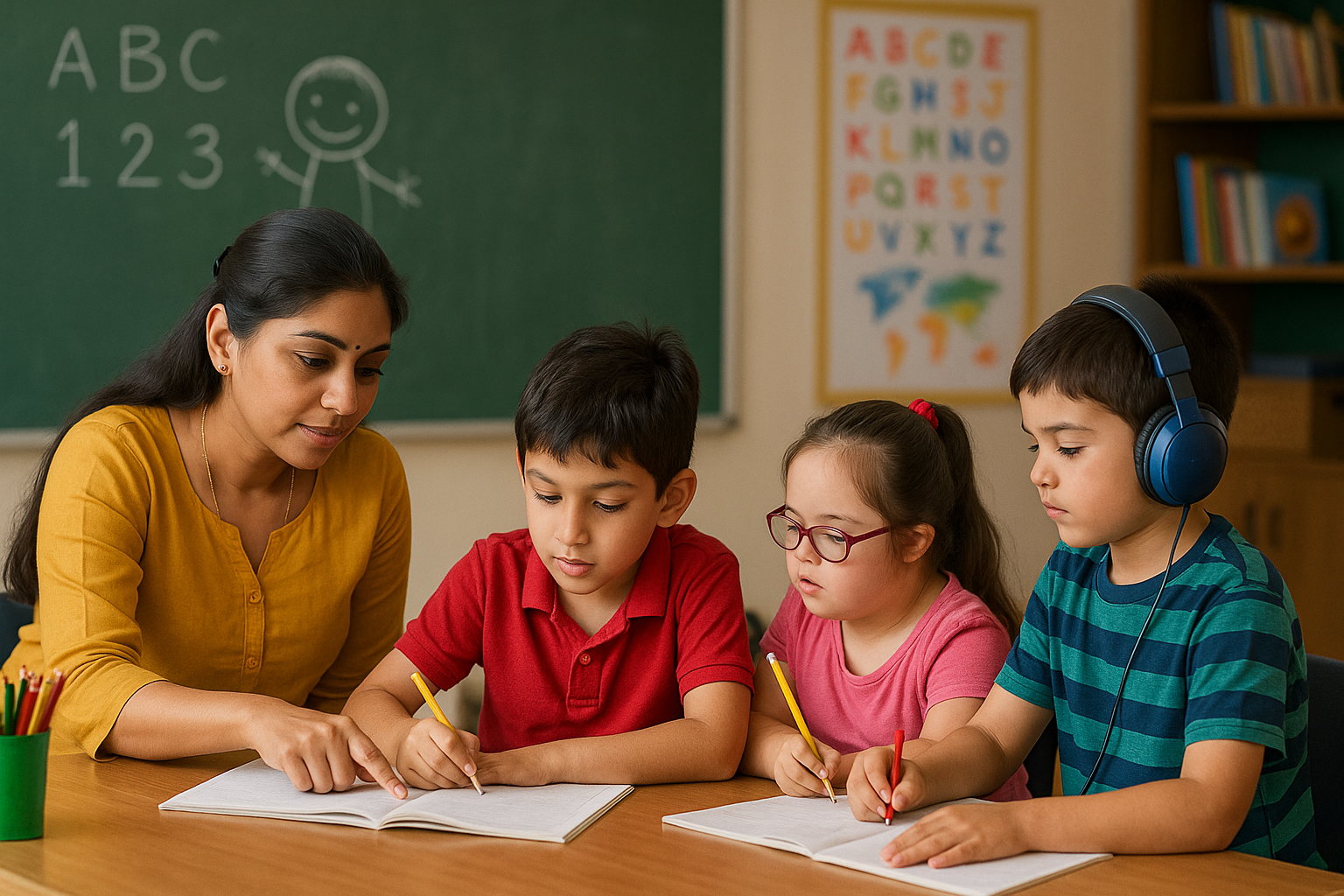
Special Education is a branch in the educational world that focuses on addressing the learning needs of special children who need additional academic aid and personal guidance to thrive in a regular classroom. It implies providing children with effective teaching strategies and targeted instruction based on the child’s needs, enabling them to learn at a pace suitable for them.
Teaching Special Education is a valuable tool that guarantees every child an equal chance to receive quality education in a regular classroom, along with their classmates, in a supportive and a conducive learning atmosphere.
Table of Content
What do you mean by Special Education Teaching?
Special Education Teaching implies an individualized and systematic approach devised meticulously based on the special learning needs of children with special needs. It is a comprehensive module that incorporates different teaching pedagogies and effective strategies that help teachers foster their students’ overall development so that they can achieve meaningful progress.
Key aspects of Special Education Teaching include:
Individualized Attention:
Special Educators provide children with personalized attention and targeted instruction that aligns with their learning preferences. So, although the child is sitting in a mainstream classroom, he will understand the topics in a way his brain can process.
IEP Formulation and implementation:
Special Educators, parents and teachers jointly design the IEP under the guidance of professionals, where the child’s learning, social and behavioural goals are set that have to be attained through the course of the year.
Catering to the diverse learning needs:
Special Education Teachers work with children with specific learning disabilities such as dysgraphia, dyslexia, dyscalculia, and provide them with precise academic assistance that helps them combat the challenges caused by these specific learning disorders.
Positive alliance with parents and other professionals:
Working with parents and other professionals to provide the best interventional support to the child.
Focus on Inclusion:
A major aim is teaching in the Least Restrictive Environment (LRE), where students learn alongside peers in general classrooms with appropriate support.
Special Education Teaching ensures equal learning opportunities while respecting each child’s unique abilities and challenges.
To download the brochure of the SEN Course, Click Here!
Call or WhatsApp on +919321024137 / +919869546913 for details of the SEN Course.
Source: istockphoto
What are the Teaching Methods in Special Education?
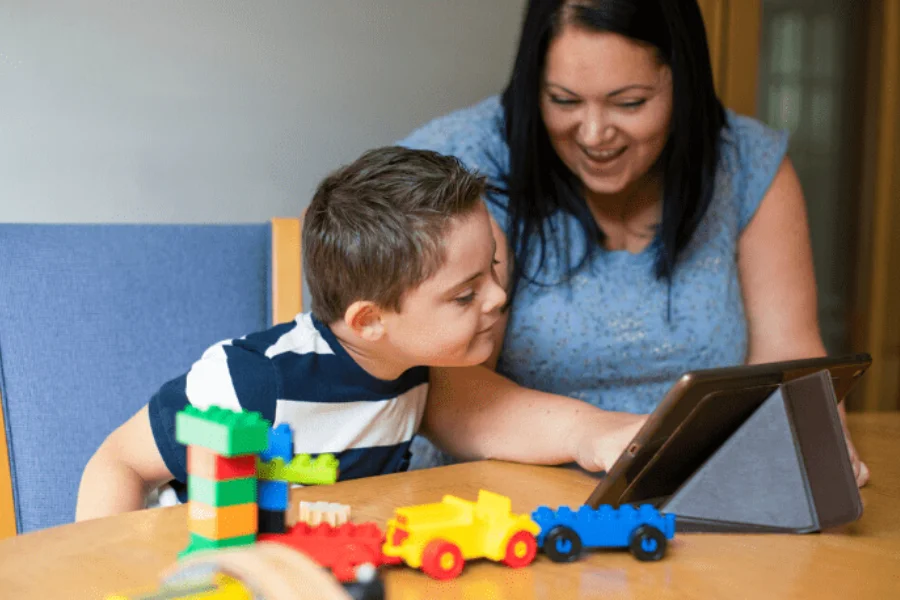
Teaching methods in special education are well-thought-out and regulated methods that are designed to cater to the diverse learning needs of Children with Special Needs. These teaching methods are based on the individual key strengths of children, ensuring they learn in a joyous manner without any stress.
Some of the crucial teaching methods in Special Education are listed below:
Targeted instruction
- Individualised Education Programs (IEPs):Personalised learning plans based on the key strengths of each child are designed, highlighting their learning goals to be achieved.
- Modified instruction: Making the desired accommodations, adapting the syllabus to suit the child’s goals, and using a multitude of teaching techniques.
- Universal Design for Learning (UDL): Presenting information in multiple ways, offering varied engagement options, and allowing different methods for students to express learning.
Behavioural Management and effective strategies
- Positive Behaviour Aid (PBS): scrutinising the child’s behaviour patterns and determining the reasons for them to introduce positive behaviour traits.
- Schedules and Routines: Follow consistent schedules so that the child is not anxious and can focus well.
- Chunking: Dividing the complex task into small steps that are easily understandable by students, which will help them master the complex tasks as well.
Instructional Methods
- Using a variety of sensorial learning methods: Using various sensorial aids to help children understand and retain better for a long time.
- Stimulating and stepping back: Offer the child the desired aid and then let him move ahead alone.
- Scaffolding: The child is to be provided with the needed academic and personal guidance and then gradually pushed towards attaining independence.
- Chaining: Teaching sequences step by step, reinforcing each stage.
Alliancing and group effort
- General and Special Education combination: Co-Teaching between General and special educators to provide the child with the best teaching techniques.
- Peer Partnerships: Bringing students and their peers together to foster a spirit of oneness and celebrate diversity for harbouring meaningful bonds.
- Working together with professionals: Collaboration with specialists, especially occupational therapists and counsellors, for better support for the child.
Advanced and Innovative tools
- Advanced tech tools and innovative methods are to be used to lessen the stress of the child and help them enjoy the learning journey.
- Better sensory environments: Ensuring that the child gets to study in an environment that doesn’t challenge their sensory issues.
- The above teaching methods are used in a combined format that is linked to the child’s IEP and is periodically assessed to check for any backlogs.
To download the brochure of the SEN Course, Click Here!
Call or WhatsApp on +919321024137 / +919869546913 for details of the SEN Course.
How to Teach a Special Education Classroom?
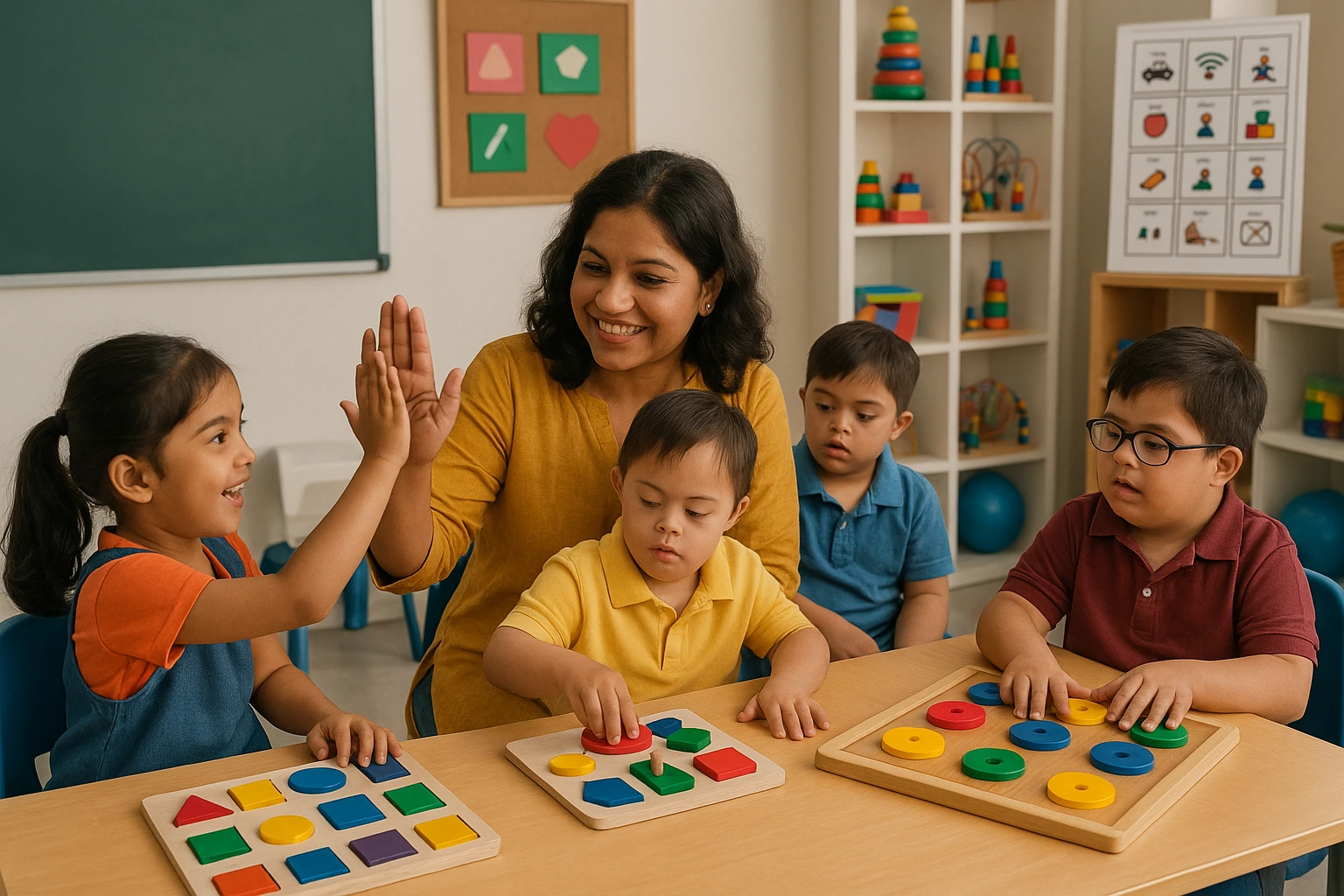
Planning, determination, and organised teaching methods that fit a range of learning requirements are necessary while working in a special education classroom. Since every child is unique, they all have varied styles of learning and processing information; therefore, it is important to have flexibility.
Here are key approaches to follow:
- Understand Each Student’s IEP: Review Individualised Education Programs carefully. Set clear, measurable goals and plan lessons according to specific accommodations and modifications.
- Follow schedules: let the child follow consistent routines that comprise visual organisers and visual instructions, as it helps them relate well and be focused.
- Personalised Instruction: Make the desired modifications and adaptations to suit the child’s needs and provide them with plenty of hands-on learning experiences for better learning outcomes.
- Rewards: Let the child be appreciated and acknowledged for his small achievements, which helps to create repeat behaviours.
- Micro-managing: Break the complex task into small steps and let the child master them so he becomes confident to tackle complex concepts.
- Foster social interaction skills: Give impetus to developing the child’s social interaction and communication skills.
- Collaborate with Parents and Specialists: Regular communication ensures consistent support at school and home.
A well-planned, supportive environment helps kids to grow academically, socially and emotionally.
To download the brochure of the SEN Course, Click Here!
Call or WhatsApp on +919321024137 / +919869546913 for details of the SEN Course.
Source: istockphoto
Which is the Best Method to Teach with Special Needs?
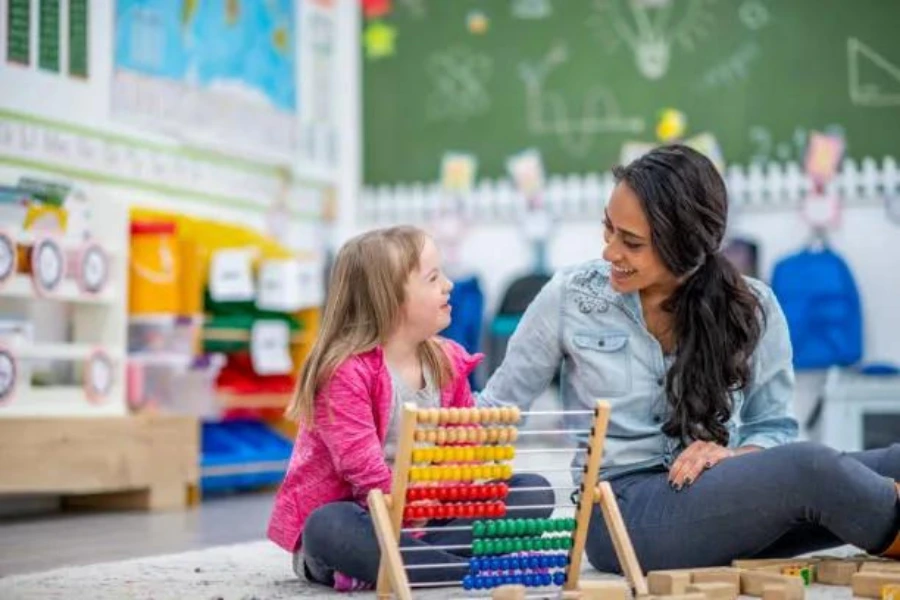
Because every kid learns in their own unique way, there is no one best way to teach kids with special needs. Structured planning, personal teaching and ongoing evaluation are the best ways to teach. People who have taken a Special Educator Course know how to change their ways to fit the needs and skills of each student.
Key teaching techniques include:
- Personalised instruction methods: The child is taught in a manner that aligns with their learning styles based on their strengths and their learning goals.
- Implementing a variety of Multi-Sensory methods: Using a combination of different audio, visual and innovative hands-on learning techniques to help the child remain engaged in learning.
- Appreciation: Always acknowledge and appreciate the child’s small wins and reward them in a way that helps them build better self-esteem.
- Chunking: Breaking any complicated task into small steps that help children grasp concepts better and prepare them for complex tasks.
- Positive networking: Efficient collaboration between therapists, teachers and special educators for consistent and effective support for the students.
To ensure the best intervention approach is utilised, it is suggested to use a combination of the above-mentioned approaches that have to be reviewed periodically, and accordingly, changes are made to yield the right outcomes. Undergoing systematic training under a Special education needs program helps trainees to acquire the desired knowledge and skills that help them handle the diverse and complex challenges of a mainstream classroom. It helps them be adept at devising IEPs that are based on the best method, which is often a combination of these approaches, adjusted regularly to track progress.
Proper professional training plays an important role in selecting and applying the right method. Vidhyanidhi Education Society (Govt. Regd.) offers Special Educator Course programs that prepare teachers with practical tools and classroom approaches. Enrolling in a Special Educator Course builds confidence, while a certified Special Educator Course equips educators to handle diverse learning needs effectively.
Discover the truth of teaching—join the SEN Course by Vidhyanidhi today!
To download the brochure of the SEN Course, Click Here!
Call or WhatsApp on +919321024137 / +919869546913 for details of the SEN Course.
FAQs
What Is The Aim Of Special Education?
Special Education aims to foster maximum participation of children with special needs in mainstream education, making them confident learners.
What Is The Best Definition Of Special Education?
Special education is a comprehensive program including practical classroom management and personalised teaching methods for children with special needs’ overall holistic progress.
What Is The Most Important Thing In Special Education?
Providing each child personalised guidance and academic assistance is the most important thing in special education.
What Is The Most Important Goal Of Special Education?
The key goal is independence and inclusion; Vidhyanidhi Education Society supports this through Teaching Special Education programs.
