


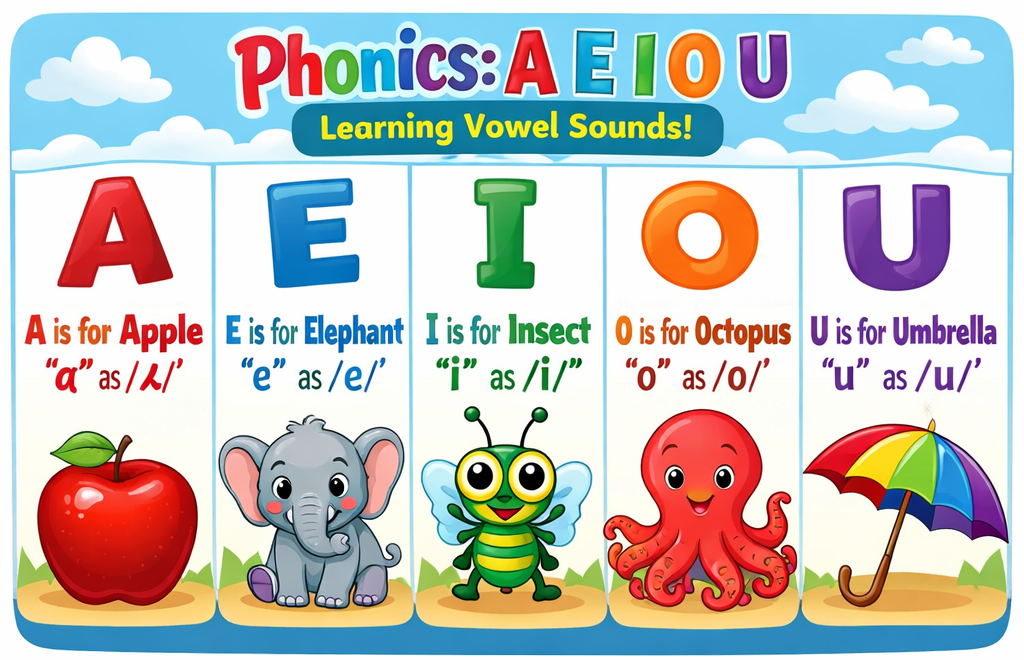
Difference between Phonics and Phonetics
Difference between Phonics and Phonetics
Ever wondered why some children learn to read smoothly while others struggle with pronunciation, even after knowing the letters? That confusion often comes from mixing up Phonics and Phonetics. Though they sound similar, they serve different purposes in language learning.
Phonics and Phonetics focuses on how letters connect to sounds to help children read and spell with confidence, while phonetics explains how speech sounds are actually formed and spoken. Knowing this difference makes teaching and learning clearer and more effective. Once you understand where phonics and phonetics fit in, choosing the right approach for reading and speech becomes much simpler.
Table of Content
What Is Phonics?
Phonics is how most children first make sense of reading. Think of it as the bridge between spoken language and written words. Kids hear and make sounds every day. Phonics only helps them relate those sounds to letters on a page.
Phonics is all about phonemic awareness, which is the ability to hear, recognize, and use sounds in spoken words. It also connects those sounds to written letters, which are called graphemes. This relationship helps students understand why words appear the way they do.
Phonics shows kids that:
- Letters stand for sounds, not simply names
- There are groupings of letters that make some sounds, like sh, ch, or th.
- You can read whole words by putting sounds together.
- To help with spelling, you can break words down into sounds.
For instance, if a toddler learns the sounds /c/, /a/, and /t/, they may put them together to read cat. This talent increases confidence and fluency with time.
Phonics supports:
- Early reading skills
- Clear spelling patterns
- Strong word recognition
By learning phonics, children move from guessing words to reading with understanding, making reading a skill they can rely on every day.
For downloading the brochure of Phonics Course, Click Here!
For more details of Phonics Course! Call or Whatsapp on +91 8104606573 / +91 9869866277
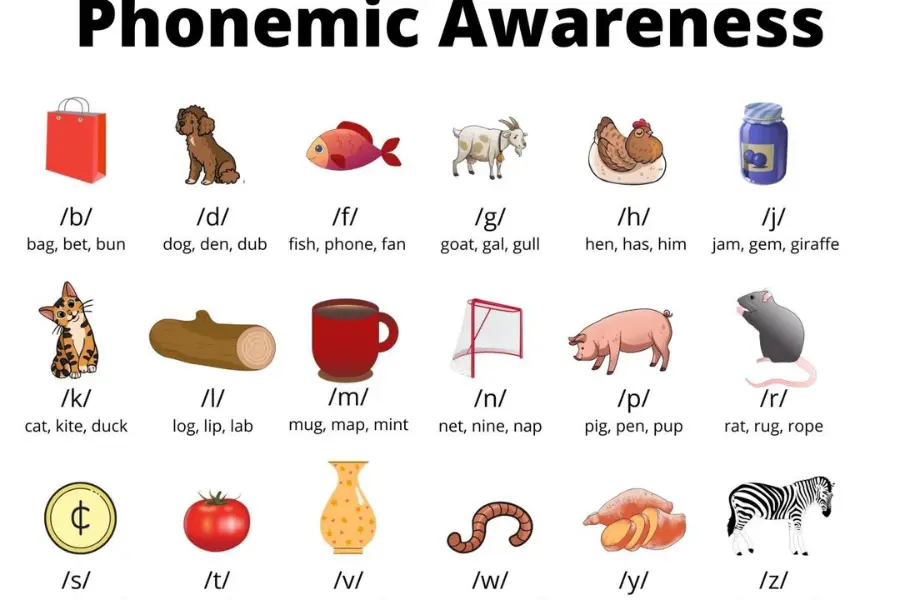
Source: vocus
What Is Phonetics?
Have you ever noticed that the same letter may sound different in various words? That’s where phonetics comes in. Phonetics is the study of how Speech Sounds are made, heard, and spoken clearly. It emphasizes sound over reading or spelling.
Phonetics helps learners understand
- How sounds are made using the lips, tongue, teeth, and voice
- Why certain sounds feel similar when spoken
- How accents and speech clarity affect communication
- The correct pronunciation of individual sounds, syllables, and words
Any sounds will do, even if there isn’t a word written down. This helps those students who face challenges in speaking, making words, blending and pronunciation.
Phonetics helps teachers, speech therapists, and people learning a language get better at speaking and listening. Vidhyanidhi Education Society (Govt. Regd.) offers Phonics Teacher Training Course which has classes for language-focused teachers and students that include phonetics. This helps teachers understand how sounds work in a deeper way.
By learning phonetics, learners become more aware of how language sounds work, making communication clearer, confident, and more accurate in everyday situations.
For downloading the brochure of Phonics Course, Click Here!
For more details of Phonics Course! Call or Whatsapp on +91 8104606573 / +91 9869866277
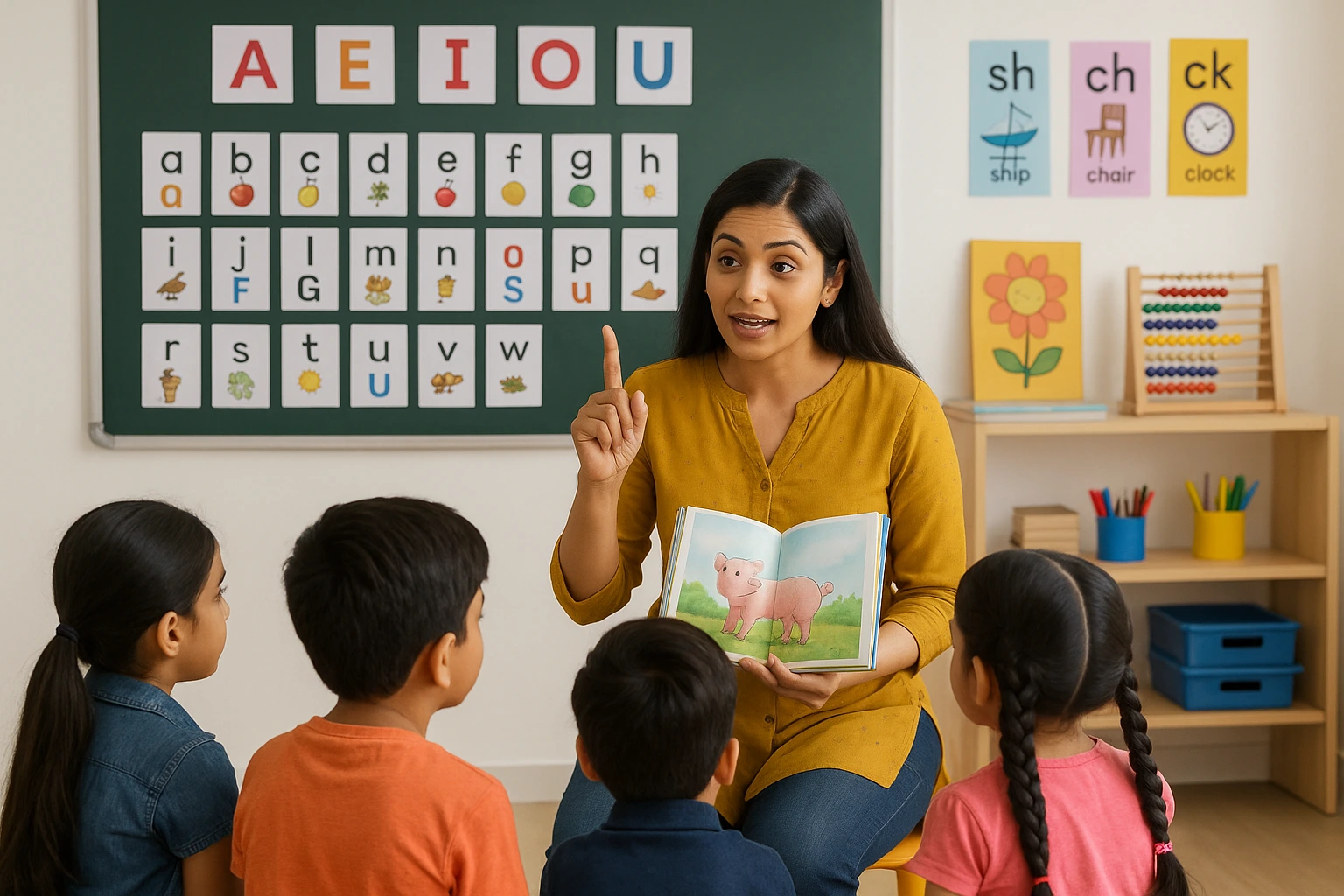
What Are The 5 Key Phonics Skills?
When kids start learning to read, it can feel confusing at first. The best part is phonics is systematically designed.
Five basic phonics skills work collectively to aid kids read and spell effectively.
Phonemic Awareness
This ability helps identify sounds by listening to the spoken words. Kids learn to hear the three noises that the cat makes: /c/, /a/, and /t/.
Letter–Sound Knowledge
Kids are able to identify letter sounds, blend of letter sounds and specific sound for eg s, i or st.
Blending
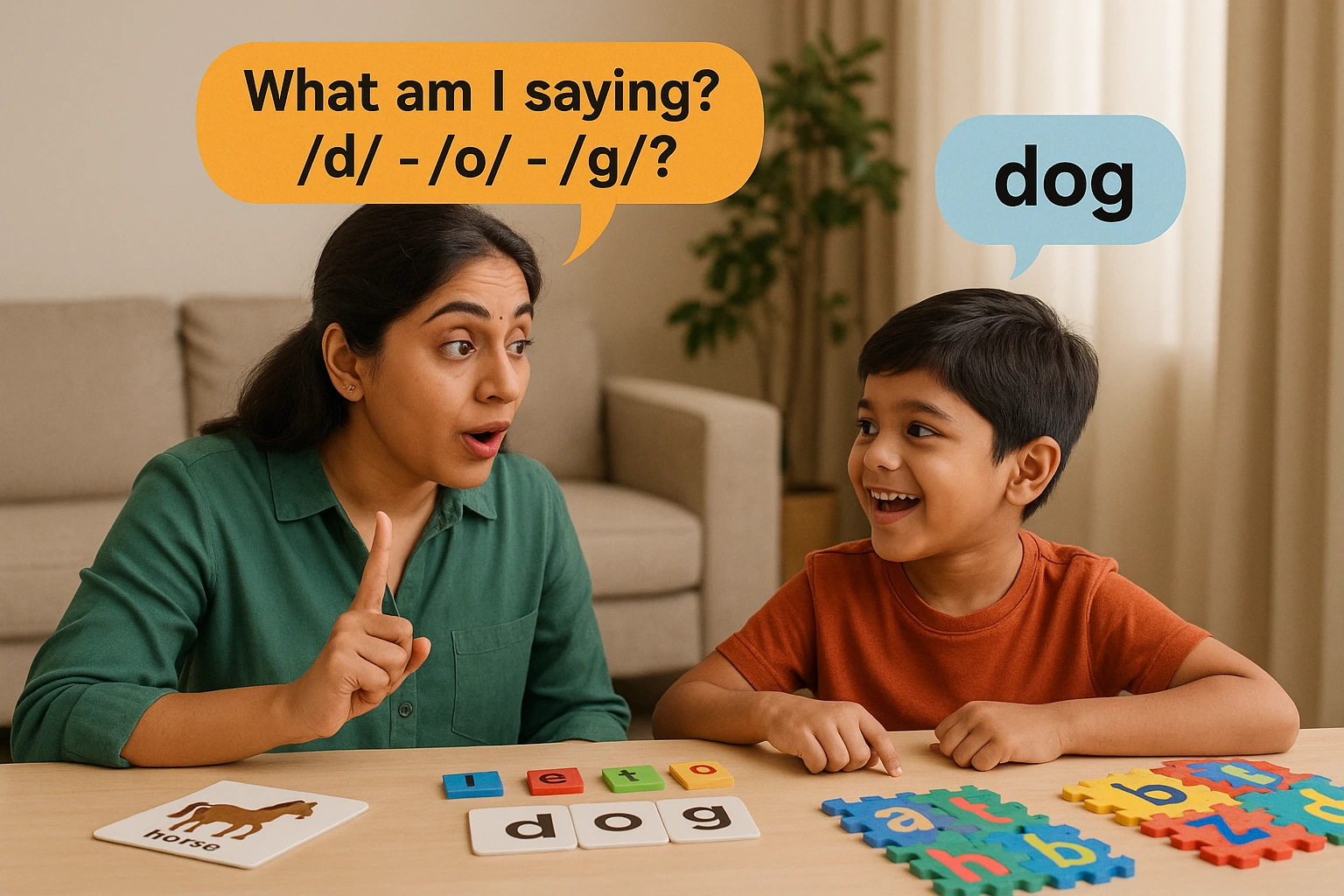
Learning to blend sounds together supports kids in reading words. For example, combining /d/ /o/ /g/ to read dog.
Segmenting
It is opposite of blending. Kids break each sound of the word, which helps in spelling formation, for example breaking SHIP into /sh/ /i/ /p/.
Sight Word Recognition
Some words which are commonly used without following Phonic Method and are identified easily when learnt help in reading efficiently.
Together, these skills support steady reading, progress and build a strong foundation for lifelong literacy.
For downloading the brochure of Phonics Course, Click Here!
For more details of Phonics Course! Call or Whatsapp on +91 8104606573 / +91 9869866277
When To Start Teaching Phonetics?
Parents and teachers are unsure of when to start teaching phonetics to kids. The answer depends on how ready a child is to learn a language, not just how old they are. Phonetics works best when kids already know how to listen and talk well.
In most cases, phonetics is introduced after early phonics skills are in place. Children should first be familiar with letter sounds and simple word reading before focusing on how sounds are formed and pronounced.
Phonetics can be introduced when children
- Can recognise and produce basic letter sounds
- Are starting to read simple words
- Show curiosity about pronunciation and speech clarity
- Can listen carefully and repeat sounds accurately
The stage typically begins in early elementary school, with earlier onset possible for children who have more language exposure.
Phonetics is very useful for
- Improving pronunciation
- Supporting clear speech
- Helping children understand sound differences
Kids can get lost when they learn phonetics too early. But if you start them on it at the right time, it will help them speak and listen better. As a kid grows, phonetics can help them feel more confident and say what they want to say more clearly.
For downloading the brochure of Phonics Course, Click Here!
For more details of Phonics Course! Call or Whatsapp on +91 8104606573 / +91 9869866277
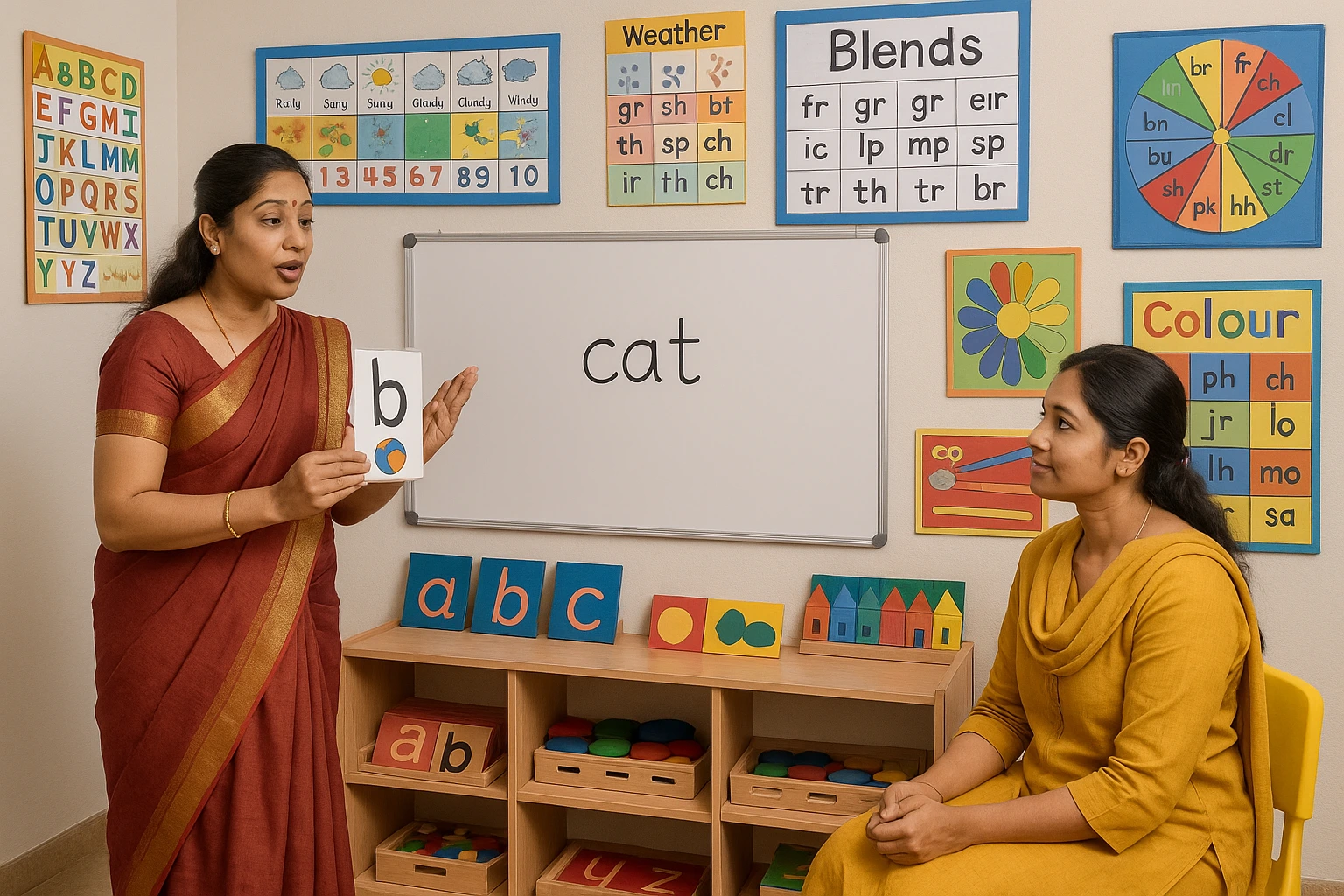
How To Start Teaching Phonics?
Many parents and teachers wonder when phonetics should be introduced. The simple answer is: after children are comfortable with basic Letter-Sound relationships. Phonetics works best when learners already have some exposure to phonics and spoken language.
Phonetics can usually be introduced
- Around 5–6 years of age, once children recognize letters and common sounds
- When a child starts asking questions about how words are pronounced
- If a learner struggles with clear speech or mixes up similar sounds
- While learning a new language or improving spoken English
Phonetics focuses on how sounds are produced using the mouth, tongue, and voice. Teaching it too early may confuse young learners who are still forming basic reading skills. At the right stage, phonetics sharpens listening skills and improves pronunciation naturally.
Phonics Course offered by Vidhyanidhi Education Society (Govt. Regd.) teaches phonetics at an appropriate level of learning, ensuring it helps pupils speak well without overwhelming them.
Phonetics helps students speak more confidently, say words correctly, and talk to others more easily in everyday circumstances when they acquire it at the proper time.
Master phonics with clarity—join Phonics Teacher Training Course at Vidhyanidhi Education Society!
For downloading the brochure of Phonics Course, Click Here!
For more details of Phonics Course! Call or Whatsapp on +91 8104606573 / +91 9869866277
Difference between Phonics and Phonetics
FAQs
What are the disadvantages of phonics?
If phonics is the only focus, it can feel dull. Mix reading, stories, and simple conversations makes learning more enjoyable.
Why kids find phonics challenging?
Some kids face challenges in differentiating sounds, reiterating sounds learnt and distinct identification of similar sounds.
How do I become a certified phonics teacher?
Enroll in a (Govt.Regd) Phonics Teacher Training Course, like those offered by Vidhyanidhi Education Society, with guided practice and certification.
Which course has no age limit?
Most phonics teacher training courses don’t have an age limit, so they’re great for people just starting or those getting back into teaching.
