



What is IEP Special Education?
Source: istockphoto
What is IEP Special Education?
What is IEP Special Education? It is a written plan designed to support children with learning differences and special needs in school. Many parents and teachers often ask, What is an IEP Special Education, and how does it help a child succeed? This plan outlines learning goals, support services, and teaching strategies suited to the child’s needs. Understanding what an IEP Special Education is helps families ensure the right guidance and progress for every child.
Table of Content
What are the Steps in Creating an IEP?
Building an Individualised Education Program (IEP) is a structured process designed to support students with special needs. Each step makes sure that the Kid gets the right educational support and measurable goals.
Steps in Creating an IEP
Identification of Needs
The process begins when a child is identified as needing additional academic or developmental support. Concerns may be raised by parents or teachers.
Reviews and Tests
Formal methodical assessments are conducted by certified professionals to determine the child’s strengths, his areas of concern and his learning needs.
Entitlement Judgement
When the child is evaluated, the level of difficulty is determined, and accordingly, based on the results, the child’s eligibility for special education services is decided.
IEP discussions
Meetings are held where parents, teachers, special educators and the School Management representatives meet to discuss the child’s assessment results and, accordingly, intervention approaches are devised.
Establishing learning objectives
Realistic and attainable learning goals are set for the child based on the capabilities of the child.
Developing adaptations
Special Educators, along with the class teachers and other professionals, chalk out a proper approach comprising various teaching pedagogies, methodologies and various therapy treatment services.
Progress Monitoring
The child’s IEP is implemented, regular progress is tracked, and if any issues arise, new adaptations are implemented.
A well-prepared IEP plays a very crucial role as it safeguards the child’s benefits and focuses on individualised learning, making learning a joyous process for all children.
For more details on the SEN Course, Call / WhatsApp at +919321024137 / +919869866277
To download the brochure of the SEN Course, Click Here!

Source: istockphoto
What Makes a Good IEP?
A good Individualised Education Program (IEP) is not just about a document. It is a simple and practical plan that supports a Kid’s academic, social and emotional growth. A well-designed IEP focuses on realistic goals and meaningful success.
What Makes a Good IEP?
Well-defined present capabilities
The IEP clearly defines the child’s present abilities, his strengths and his areas of difficulty.
Quantifiable goals
Goals set should be realistic and measurable, and can be attained comfortably by the child.
Student- centered
The IEP should focus on the child’s diverse learning needs, keeping the child’s convenience in mind as a top priority.
Suitable interventions
The IEP covers appropriate interventions in the form of appropriate teaching pedagogies, classroom accommodations and additional therapy required by the child.
Flexibility
The IEP should be flexible and should have a number of alternative methodologies that can be used in case the outcomes are not as expected.
Periodic progress checks
The IEP should have periodic progress reviews for making any changes if needed.
A good IEP provides clarity, structure, and direction. When thoughtfully prepared and consistently reviewed, it helps the child move forward with confidence and steady improvement.
For more details on the SEN Course, Call / WhatsApp at +919321024137 / +919869866277
To download the brochure of the SEN Course, Click Here!
Source: stock.adobe
What are the Responsibilities of Teachers When it comes to Students with IEPs?
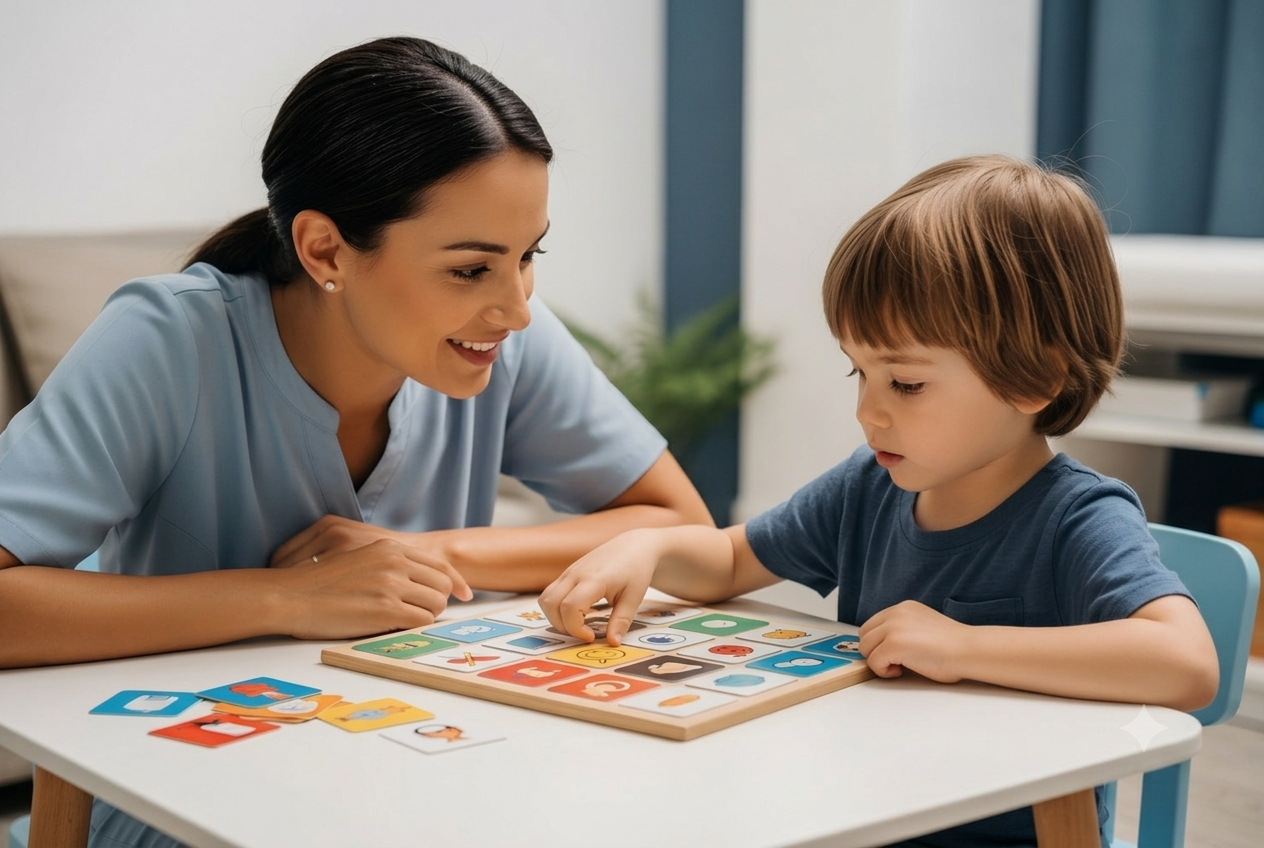
An IEP is just a roadmap that guides teachers and special educators to implement teaching pedagogies and methodologies that provide the child with the desired guidance and support to function independently in a mainstream classroom. They have a vital role to play in ensuring that the IEPs are successful in helping children attain their learning outcomes.
Responsibilities of Teachers for Students with IEPs:
Clear understanding of the IEP
Teachers must be well-versed with the IEP document to understand what the child’s learning goals are and what targets have to be achieved.
Applying the accommodations
Teachers have to make the necessary classroom adjustments, provide the child with specialised tools and even additional time.
Exclusive Instruction
Delivering strategic and personalised instruction to students depending on the child’s abilities.
Track progress
Teachers should periodically track the child’s progress and maintain a proper portfolio of their records accurately.
Regular communication with Parents and other stakeholders
Teachers should maintain regular communication with parents and special educators to update them about their child’s progress.
Design a conducive learning space
Teachers should design a conducive learning space where children feel free to express themselves and get actively engaged in all classroom activities.
Provide accurate feedback
Teachers participate in IEP evaluation meetings and contribute their valuable feedback and recommend their suggestions.
When all the above crucial responsibilities are fulfilled diligently by teachers, students with special needs are guaranteed to attain their learning outcomes with great efficiency, which helps in raising their morale and prepares them for a bright future.
For more details on the SEN Course, Call / WhatsApp at +919321024137 / +919869866277
To download the brochure of the SEN Course, Click Here!

Source: shutterstock
What are the Three Most Important Parts of an IEP?
Understanding the important concept of an Individualised Education Program (IEP) is crucial for teachers and parents. Candidates who pursue Special Education Needs Course often study these important components in detail to support students effectively. Special Education Needs Course offered by Vidhyanidhi Education Society (Govt. Regd.) prepares teachers to design meaningful IEPs.
The Three Most Important Parts of an IEP:
Present Levels of Performance (PLOP)
This section explains the child’s current academic and functional abilities. It focuses on the child’s strengths, his capabilities and how the difficulty is impacting the child’s progress. Precise current levels of the child lay a strong foundation for the IEP and are a crucial aspect of every Special Education Course.
Quantifiable Yearly Goals
The targets set for the child must be practical and realistic, and can be achieved comfortably by the child. Well-documented goals help to ensure that the child attains his learning objectives and provides for steady progress.
Additional therapy and adaptations
This signifies the additional therapy that the child requires, such as speech therapy, occupational therapy and various other classroom changes for better learning.
Vidhyanidhi Education Society (Govt. Regd.), an eminent Teacher Training Institute, has initiated a top-notch Special Education Course that makes trainees adept at IEP planning and implementation.
A strong IEP built on these three elements ensures clarity, accountability, and structured progress for every learner.
Empower special children with the right strategies! Join Vidhyanidhi Education Society’s SEN Course today!
For more details on the SEN Course, Call / WhatsApp at +919321024137 / +919869866277
To download the brochure of the SEN Course, Click Here!
What is IEP Special Education?
FAQs
What Age Can You Get An IEP?
The age for getting an IEP is 3, which can persist through the child’s high school if the eligibility criteria are met.
What Are Common IEP Accommodations?
Additional time, Specialised tools, modified curriculum and therapy support are some common IEP accommodations.
What Is The Role Of The Student In The IEP Process?
The student shares goals, strengths and challenges to support planning. Institutes like Vidhyanidhi Education Society explain this clearly.
How Are Parents Involved In The IEP Process?
Parents attend meetings, share concerns, approve plans and track progress to ensure proper support for their child.
