


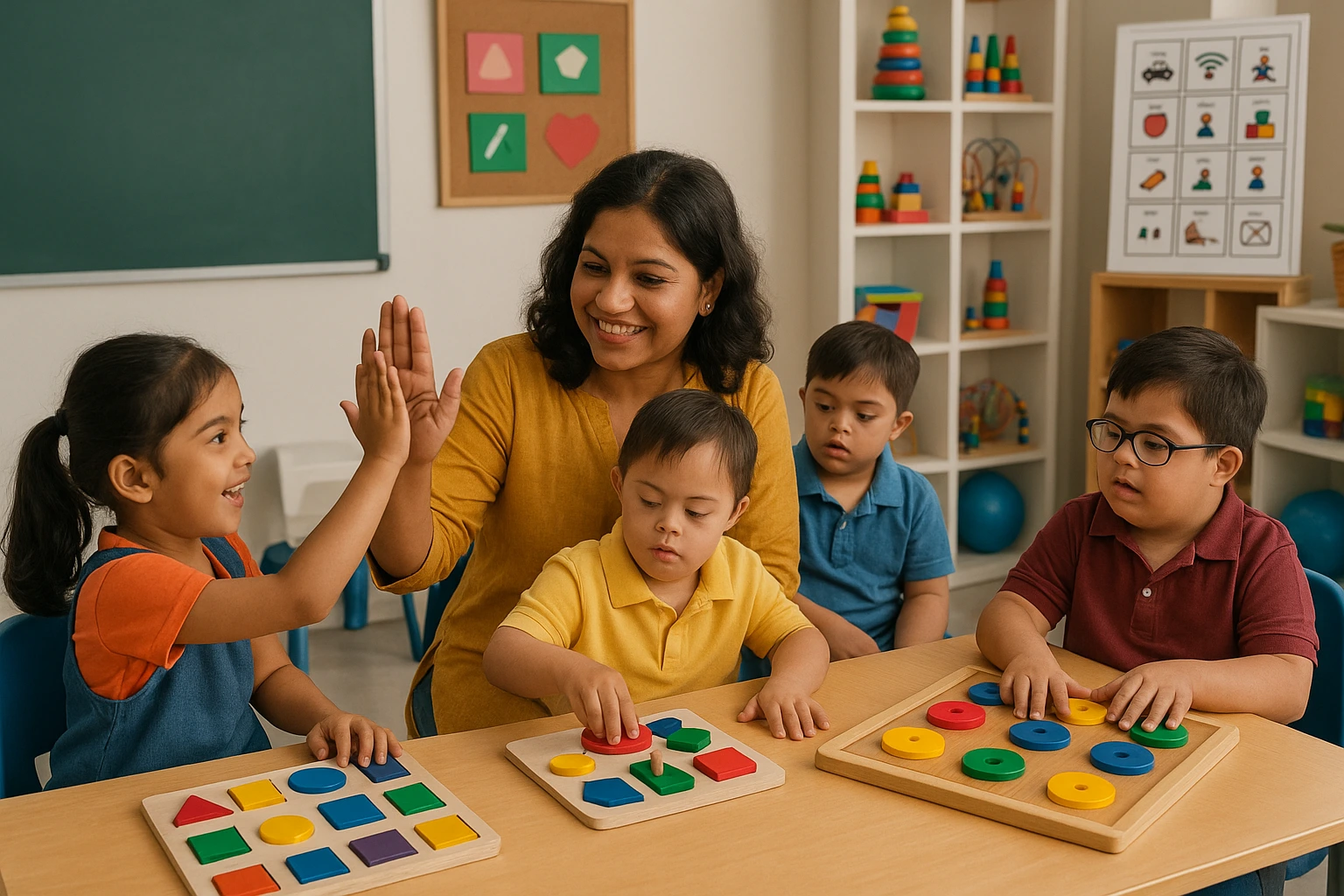
What is Special Ed?
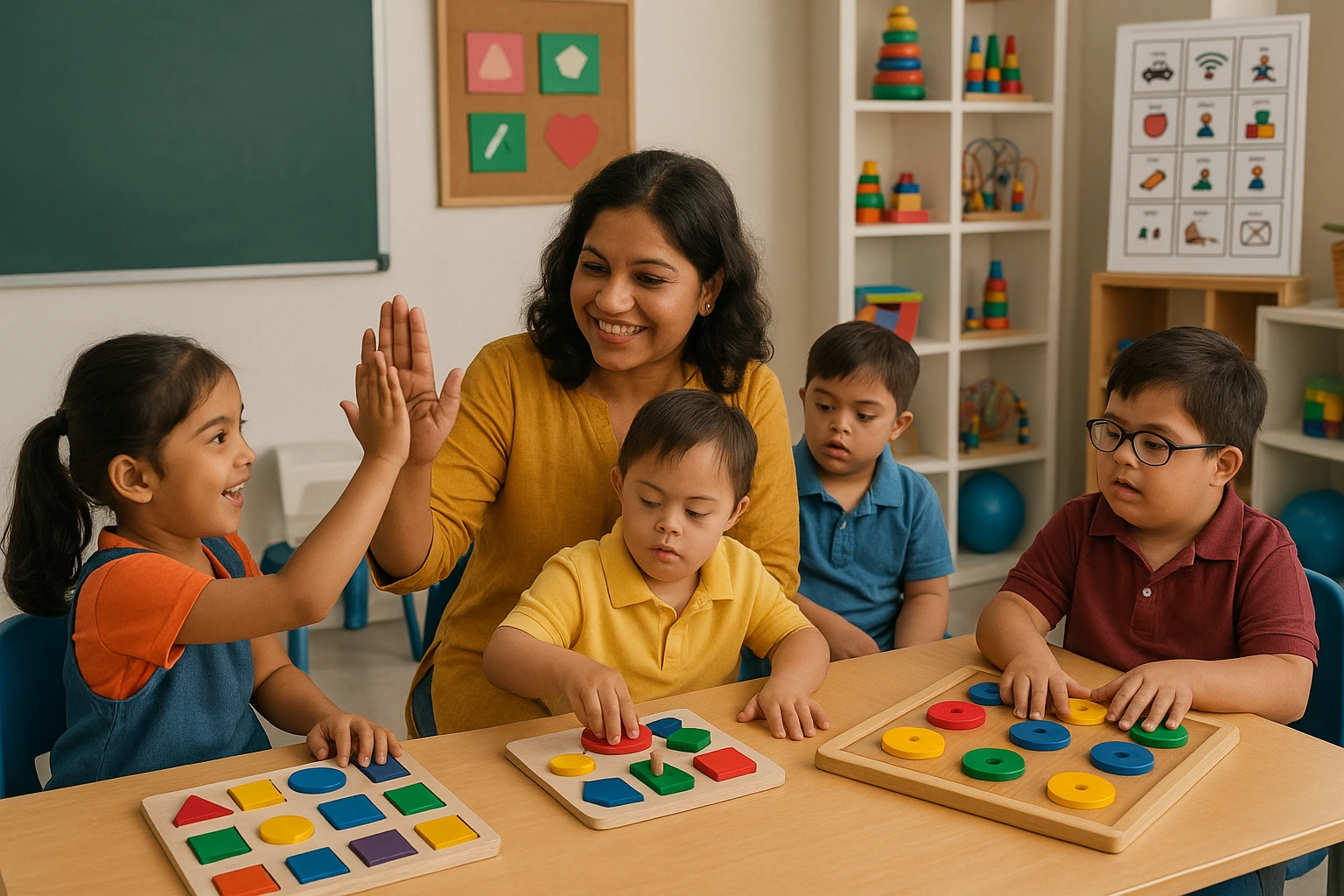
What is Special Ed?
What is Special Ed? It implies a branch of education that covers in-depth knowledge of various Learning Disabilities and different strategies that help to combat the challenges caused by them. It helps teachers to identify any kind of developmental delays and initiate the correct interventions based on the child’s strengths, their key skills and their varied learning needs.
What is Special Ed? It helps students with learning difficulties, physical challenges, or emotional needs succeed in school through adapted lessons, supportive environments, trained teachers, and steady guidance for parents, educators and schools aiming for fair learning opportunities everywhere.
Table of Content
Modern Trends in Special Ed
Modern trends in Special Ed show a strong shift toward practical, inclusive and evidence-based practices that respond to various student needs. Today’s methods focus on access, independence and emotional well-being alongside academics.
AI and Advanced Assistive Technology
AI-powered tools like speech-to-text, text-to-speech and adaptive learning platforms make personalised learning experiences. (reframe) These tools help identify learning gaps, support communication for kids with difficult needs and provide immersive ways to understand concepts.
Inclusion and Co-Teaching
Schools are moving away from segregated classrooms. Nearly 67% of kids with disabilities now spend most of their day in general education settings. Co-teaching models allow special and general teachers to plan and teach together.
Social-Emotional Learning and Mental Health
Trauma-informed practices address emotional and behavioural needs, helping students feel safe and supported.
Functional and Life Skills Curriculum
Greater focus is placed on vocational training, self-management, and independent living skills.
Parent-Teacher-Student Collaboration
Digital tools strengthen communication and encourage active parent involvement in IEP development.
Early Intervention
Early identification and timely support help reduce long-term developmental difficulties.
All these trends are guided by research-driven methods, ensuring positive behaviour support and instructional approaches remain effective.
For more details on the SEN Course, Call / WhatsApp at +919321024137 / +919869866277
To download the brochure of the SEN Course, Click Here!

Source: istockphoto
Who Receives Special Education?
Special education services are made available to children who possess some learning disability, Intellectual Disability, or any kind of physical impairment that affects their ability to acquire education in a regular classroom without additional support.
Special Education comprises a host of differentiated instruction methods, modified teaching methods and even an adapted curriculum that helps children attain their learning goals successfully.
Students who receive special education services commonly fall under the following categories:
Specific Learning Disabilities
Conditions such as Dyslexia, Dyscalculia and Dysgraphia that impact reading, writing, or math skills.
Autism Spectrum Disorder (ASD)
Developmental differences that affect communication, social interaction, and behaviour.
Communication Impairments or Speech Issues
Issues regarding speech, understanding oral instructions.
Emotional Disorders
Any kind of emotional or behavioural challenges that cause issues in learning.
Physical Disabilities and hearing impairments
Any kind of Physical impairments, vision impairments or hearing impairments.
Intellectual Disabilities
Any kind of cognitive issues that limit the child’s chances of effective learning and independent functioning.
These services aim to support academic growth, independence, and participation in school life.
For more details on the SEN Course, Call / WhatsApp at +919321024137 / +919869866277
To download the brochure of the SEN Course, Click Here!
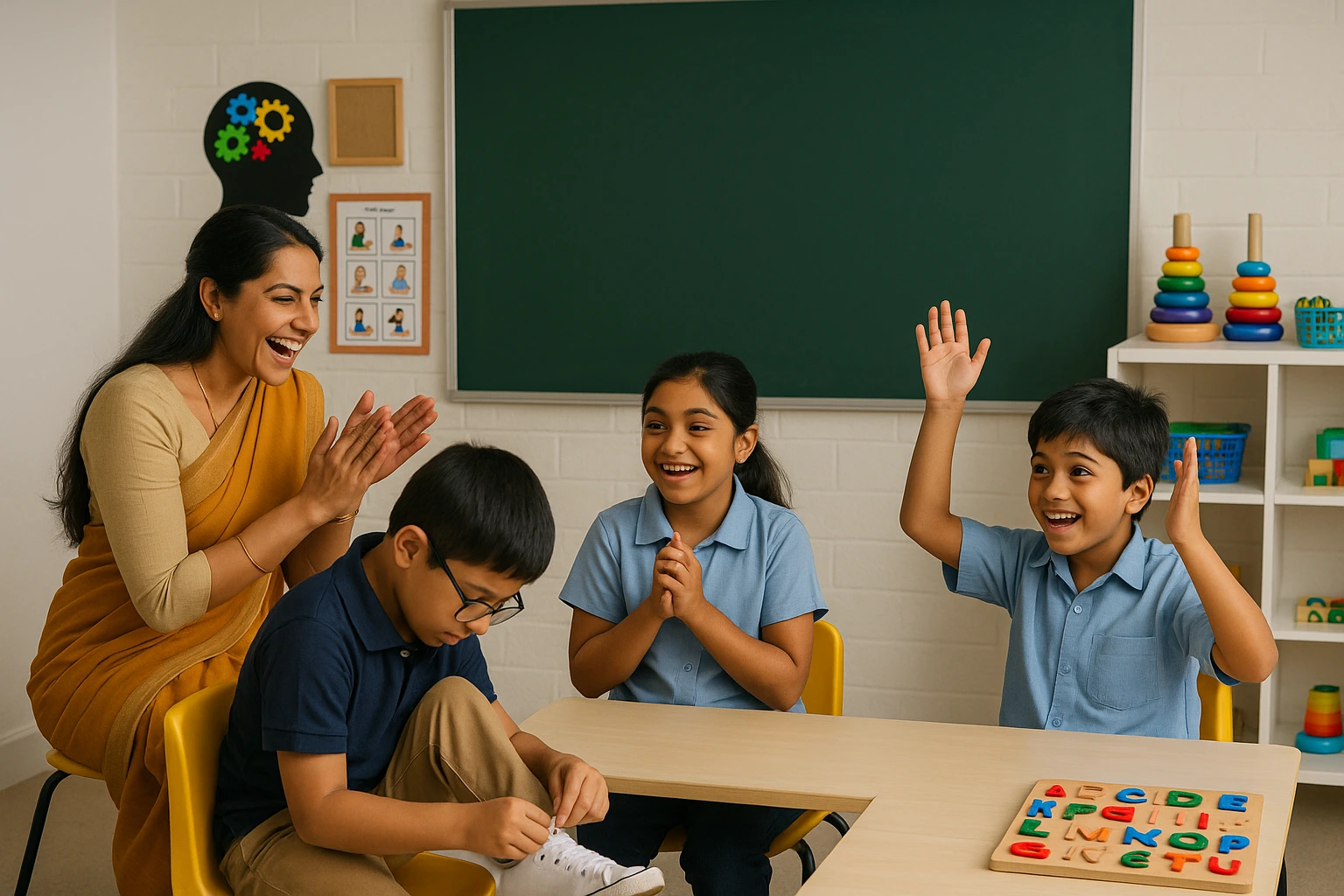
Why do Students Need Special Education?
Students Need Special Education as it helps them learn in a manner that aligns with their learning styles and key strengths without putting any kind of pressure, because every learner has unique strengths and challenges that cannot always be met through standard teaching methods. Special education ensures that students with disabilities receive the right support to learn, grow, and participate fully in school.
Personalised attention
Providing each child with an IEP designed to their learning needs to ensure that the teaching methods align with the child’s learning preferences.
Holistic development
Special Education ensures that all the domains of a child are developed, including communication skills, motor coordination, self-care, and self-regulation.
High self-esteem
When learning becomes accessible to special children, it helps students attain their learning goals, enabling them to develop self-confidence and function independently.
Conducive Learning Environment
Creating a conducive learning environment that fosters each child’s overall holistic progress.
Legal Policies
Special Education ensures that all the legal rights of the children are applied properly, ensuring they receive all the benefits they are entitled to.
These supports help students reach their full potential in school and beyond.
For more details on the SEN Course, Call / WhatsApp at +919321024137 / +919869866277
To download the brochure of the SEN Course, Click Here!
What is a Special Ed Kid?
A Special Ed kid is a child who, due to certain neurological conditions, suffers from poor learning skills affecting their academic and social progress. Due to a certain disability, their ways of processing information are slightly different compared to their counterparts. The child may be suffering from autism, ADHD, intellectual challenges, or physical conditions.
Children with special needs require differentiated instruction methods and additional support to attain their learning goals.
- An IEP is designed to help set realistic and achievable learning goals.
- Services may include extra help in a general classroom or instruction in specialised settings.
- The focus is on improving learning, communication, and daily functioning.
Special education is not a single classroom type but a range of services designed to help students participate, progress, and feel supported in school.
For more details on the SEN Course, Call / WhatsApp at +919321024137 / +919869866277
To download the brochure of the SEN Course, Click Here!

Source: shutterstock
How many Types of Special Education are there?
Under IDEA, Special Education eligibility is grouped into 13 disability categories. These categories guide services, not separate “schools,” and a student may receive supports in general or specialised settings.
- Specific Learning Disability (SLD)
- Other Health Impairment (including ADHD)
- Autism Spectrum Disorder (ASD)
- Emotional Disturbance
- Speech or Language Impairment
- Visual Impairment/Blindness
- Deafness
- Hearing Impairment
- Deaf-Blindness
- Orthopaedic Impairment
- Intellectual Disability
- Traumatic Brain Injury (TBI)
- Multiple Disabilities
Schools use evaluations and an IEP to match instruction, accommodations, and therapies to the child’s needs. These labels help teams plan goals, measure progress, and provide access to tools like assistive tech, counselling, or mobility support needed.
For more details on the SEN Course, Call / WhatsApp at +919321024137 / +919869866277
To download the brochure of the SEN Course, Click Here!

Examples of Special Education in the Classroom
Examples of Special Education in the classroom are reflected in the structured teaching methods that are used for children with special needs. A Special Education Needs Course equips aspiring teachers with teaching pedagogies and methodologies that help them handle the diverse challenges of a mainstream classroom effectively.
- IEPs are formulated and are utilised by teachers to accommodate all children in a regular classroom, and accordingly, their reading levels, writing tasks, or math activities are adjusted based on student ability
- Using plenty of visual aids and schedules to help reduce any anxiety or stress, and helps them focus better.
- Power-backed AI tools such as speech-to-text software or communication boards widen the child’s attention span and enhance their language skills.
- When the student groups are small, it helps to clear queries and doubts with precision, helping children master the topics properly.
- Peer support is encouraged, which helps them assist each other, especially during movement or hands-on learning.
- Rewarding little progress and encouraging them to strive better and build self-esteem.
When these approaches are implemented, it helps students to learn in their preferred learning style, enabling them to achieve their learning goals effectively. Aspiring teachers who undergo a Special Education Needs Course acquire in-depth knowledge of various learning disabilities, structured teaching methods and practical classroom management skills that help them navigate through the complexities of a diverse classroom.
These methods ensure students can participate alongside peers while receiving needed support. Educators trained through a Special Education Needs Course understand how to apply IEP goals in daily teaching. To build these practical skills, Vidhyanidhi Education Society (Govt. Regd.) offers a Special Education Needs Course designed for modern classrooms. A well-structured Special Education Needs Course prepares teachers to support inclusive learning effectively.
Empower special children with the right strategies! Join Vidhyanidhi Education Society’s SEN Course today!
For more details on the SEN Course, Call / WhatsApp at +919321024137 / +919869866277
To download the brochure of the SEN Course, Click Here!
What is Special Ed?
FAQs
How To Study Special Education?
Special education is studied through diplomas or degrees that cover child development, disabilities, IEP planning, classroom strategies, and supervised practical training.
What Causes A Child To Be Special Ed?
Children may need special education due to learning disabilities, developmental delays, genetic conditions, medical factors, or emotional and behavioural challenges.
Can A Genius Be In Special Ed?
Yes. Gifted children may also receive special education if they have learning differences like ADHD or dyslexia.
What Does It Mean If Someone Is Special Ed?
It means the person receives learning support due to a disability. Institutes like Vidhyanidhi Education Society train educators to support such learners effectively.
